
Last updated November 25, 2026
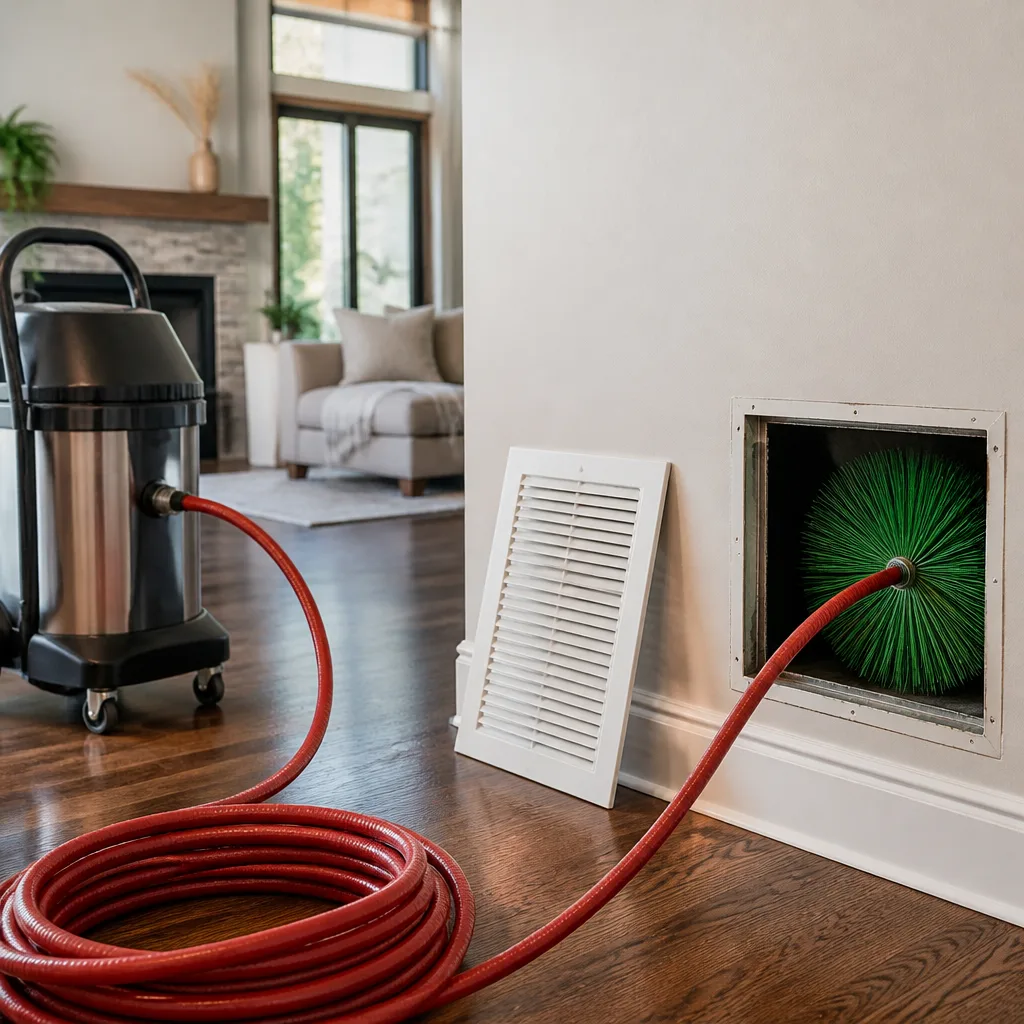 Whole-home duct cleaning
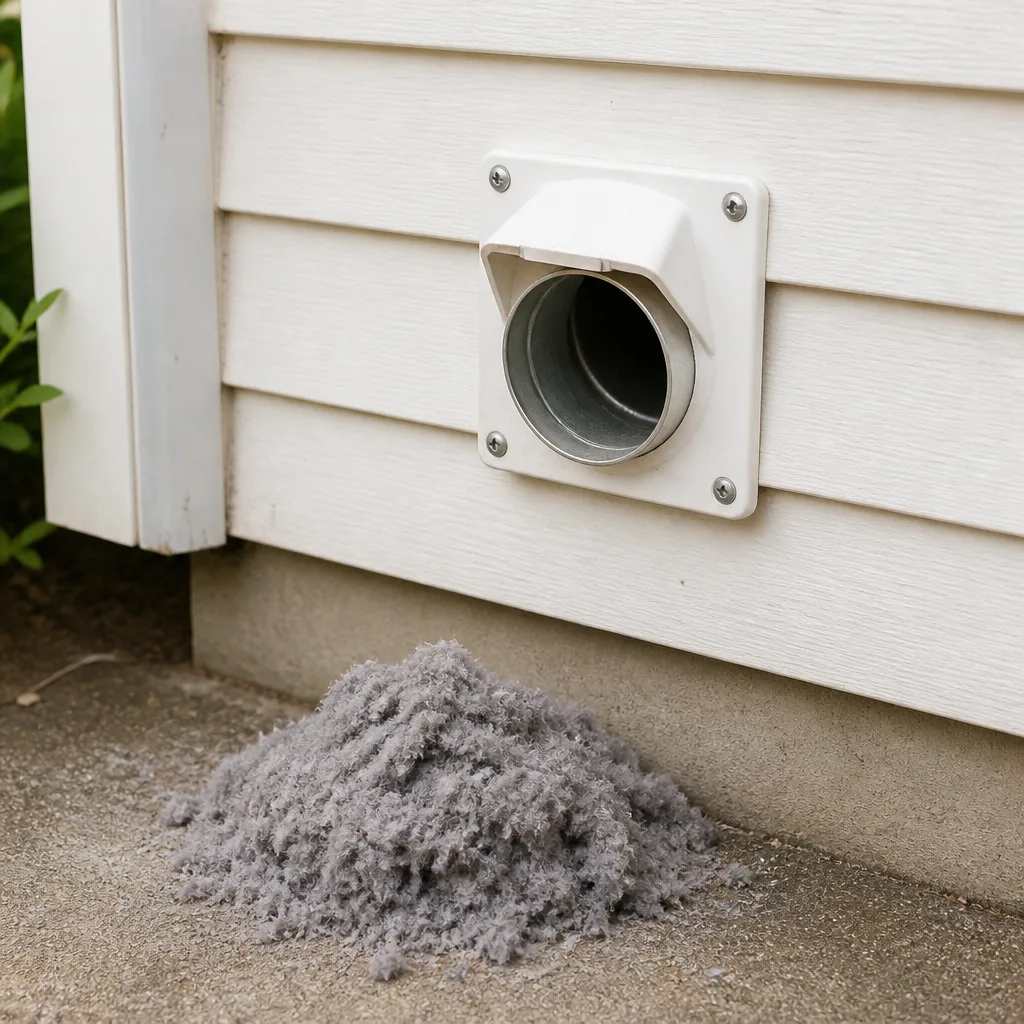 Dryer vent cleaning
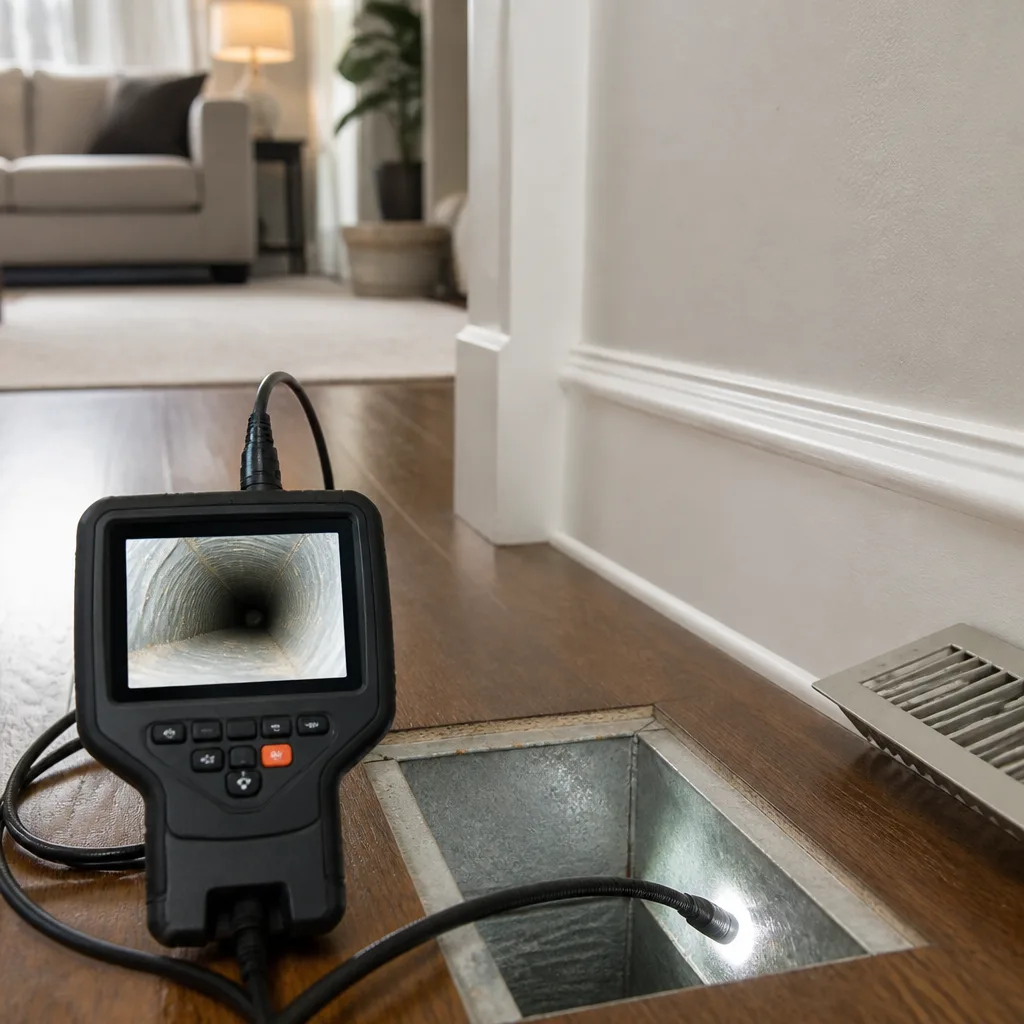 Camera inspection
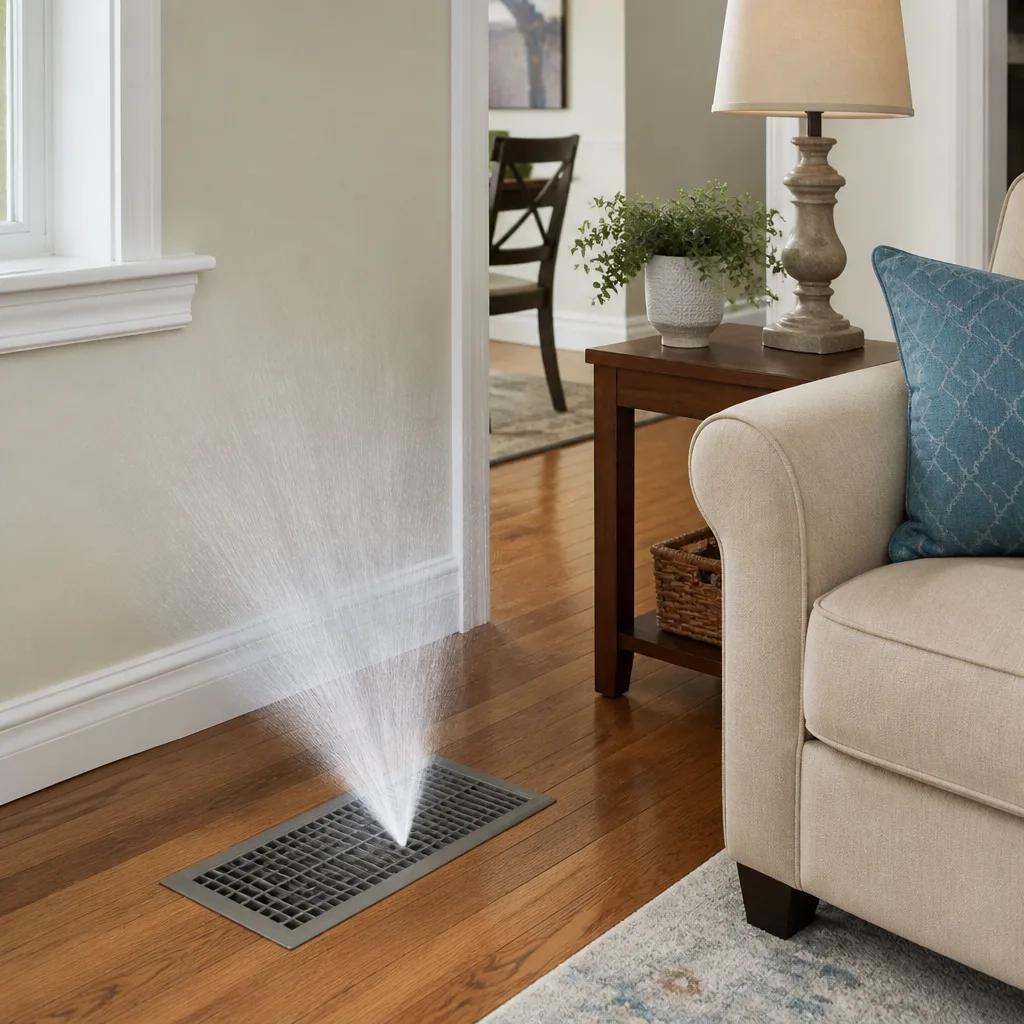 Sanitizing & deodorizing
Whole-system duct and dryer vent check with before-and-after photos - you see exactly what came out of your vents
That "$99 whole-house special" is a bait ad - the real number appears once they are in your hallway, or the "clean" is a shop-vac at the register. We photograph the inside of your ducts before and after instead.
Seasonal Air Duct Cleaning Care for Marysville: Year-Round Homeowner’s Guide
Most homeowners treat duct cleaning as a once-and-done chore, something you schedule after a remodel or when the vents start looking furry. That approach misses the real problem. In Marysville, what builds up inside your ductwork changes with the calendar, and each season leaves behind a different kind of residue. Late summer pushes wildfire smoke down from Eastern Washington. Fall brings peak mold-spore counts and the first heating cycle in months. Spring drags in pollen and construction dust from the fast-growing north end of town. A single cleaning scheduled at random doesn’t match that rhythm. What follows is a month-by-month map of which contaminants dominate each season, what to watch for, and when cleaning is genuinely worth the money.
Quick Answer
In Marysville, air ducts should be inspected at the change of each season and cleaned when that inspection turns up visible debris, restricted airflow, or a contamination event like wildfire smoke, a remodel, or a new HVAC install. Most homes here do best with a full contact cleaning in early fall, before the heating system reactivates, and a lighter check in spring after pollen season. Cleaning isn’t an automatic yearly purchase; it’s a response to what your system has actually collected.
Styles & brands we work with
- Whole-home duct cleaning
- Dryer vent cleaning
- Camera inspection
- Sanitizing & deodorizing
Table of Contents
- Why Marysville Ducts Face a Different Calendar
- Summer: Wildfire Smoke Particulate
- The First-Heat Problem After a Smoky August
- Fall: Spore Load and Heating Reactivation Debris
- Winter: Recirculation and Dry Air
- Spring: Pollen and New-Construction Dust
- The Marysville Month-by-Month Action Calendar
- Pre- and Post-Wildfire-Smoke Protocols
Why Marysville Ducts Face a Different Calendar
Marysville sits in a corridor that catches weather patterns from two directions. To the east, Eastern Washington sends wildfire smoke over the Cascades in late summer, and that smoke doesn’t stop at the mountains, it settles into the Puget Sound lowlands including ours. To the west, marine air keeps humidity elevated through fall and winter, which is exactly the condition mold spores need to stay viable in a duct system. A national duct-cleaning site writing about “seasonal maintenance” won’t mention either factor, because neither applies to most of the country.
There’s a third factor that’s local and man-made. Snohomish County has been one of the fastest-growing areas in the state, and Marysville’s north end in particular has absorbed a lot of new construction. New builds mean sawdust, drywall dust, insulation fibers, and framing debris that get pulled into a duct system during the finishing phase and often stay there well past move-in. Homes in established neighborhoods closer to the downtown core face a different profile: older ductwork, sometimes original galvanized pipe, with decades of accumulated dust and possibly leaking joints.
What this means practically is that two houses a mile apart in Marysville can need different cleaning schedules and different cleaning methods. A newer home in the north end might need one thorough post-construction cleaning and then very little for years. An older home near the waterfront district or off State Avenue might need attention sooner because the ducts themselves are leaking and pulling in garage, attic, or crawlspace air. Our technicians have up to 10 years of experience and see both patterns regularly. The season determines what’s coming in; the age and condition of the ductwork determines how well it stays out.
Summer: Wildfire Smoke Particulate
Late July through September is when Marysville’s air quality becomes a duct problem. Wildfire smoke from Eastern Washington carries fine particulate matter, and those particles are small enough to pass through standard filters and settle inside ductwork, on blower wheels, and on evaporator coils. If you run the air conditioning during a smoke event with windows shut, which is what most people do, the system is recirculating that smoke through the house and depositing a fraction of it in the ducts.
What you’ll notice during and after a heavy smoke season:
- A persistent smoky or charred smell when the system first kicks on
- Visible gray or brown film on supply registers and around return grilles
- Increased allergy or asthma symptoms that don’t ease when you go indoors
- A blower that sounds slightly rougher, from unbalanced dust on the wheel
Here’s where a lot of homeowners overspend. Not every smoky summer requires a full duct cleaning. If your filters were changed on schedule during the smoke event, if you don’t smell smoke when the system runs, and if you can’t see residue on the registers, the ducts probably don’t need cleaning yet. What smoke seasons do justify is an inspection and an honest conversation about what’s actually inside. We use a Nikro HEPA-rated negative-air setup during any cleaning so that dislodged debris is captured at the source rather than pushed into the room, which matters more in a smoke-contaminated system than a routine one.
One summer action that pays off: upgrade your filter before smoke season, not during it. A higher-MERV filter installed in June is working for you by August. Installing one mid-smoke-event just loads a clean filter with particulate faster and can restrict airflow if your system wasn’t sized for it. If you’re unsure what your blower can handle, that’s a question worth asking before you buy the filter.
The First-Heat Problem After a Smoky August
This is the specific risk most homeowners don’t think about. When the first cold snap hits in October and you switch the system from cooling to heating for the first time, the furnace blower pushes a large volume of air through ductwork that has been sitting mostly still for weeks, and that air carries whatever settled during smoke season. If the ducts collected fine ash and char particulate through August and September, the first heating cycle aerosolizes it and distributes it through every room in the house.
How a typical job like this goes: the technician runs the system, watches what comes out of the registers, and checks the return side for the telltale gray film. If the residue is light, a filter change and a register wipe-down may be all that’s needed. If it’s heavy, a contact cleaning is warranted, because ash particulate binds to duct surfaces and won’t be removed by airflow alone. Rotobrush contact-brush systems physically agitate the duct wall so the debris releases, and the HEPA-rated negative-air equipment captures it. The difference between that and a blower-only approach is the difference between removing the residue and stirring it.
The pre-emptive move is simple: schedule an inspection in late September or early October, before the furnace runs its first cycle. It’s a small appointment that can save you a house full of smoke smell in the first cold week. If you already have a visible contamination event, from a nearby fire, a smoke event, or a renovation, our air duct cleaning work is built around contact cleaning and HEPA containment rather than air movement alone.
Fall: Spore Load and Heating Reactivation Debris
Fall in Marysville brings two things at once: peak outdoor mold-spore counts as the wet season begins, and the first reactivation of the heating system. Both affect your ducts, but in different ways, and the response isn’t identical.
The spore problem is driven by moisture. As fall rains return, mold and mildew grow on fallen leaves, damp soil, and roofing materials. Outdoor spore counts climb, and spores enter the house through open windows, doors, and any duct leak that connects to the attic or crawlspace. Once inside a duct system, spores settle and, if the system is humid enough, can remain viable. That’s why fall is the season when a duct system that had been clean all summer can develop a musty smell within a few weeks of the first rain.
The reactivation problem is mechanical. A heating system that sat idle since spring has accumulated dust on the heat exchanger, the blower, and the duct walls. When it fires up, that dust cooks off and blows through the house as a burnt-dust smell. Some of that is normal for the first hour. A smell that lingers for days, or a visible dust cloud at the registers, is a sign that a cleaning is worth scheduling.
If a fall inspection turns up elevated contamination, whether mold-related or heavy debris, that’s when a more serious containment setup matters. We use Abatement Technologies air-purification equipment for elevated scenarios, because standard equipment can aerosolize spores if the capture isn’t sized for the load. Our HVAC cleaning work covers the coil and blower surfaces as well as the ducts, which matters in a spore-heavy fall because the coil is often where mold establishes first.
What to check before the first heating cycle
- Run the furnace for 20 minutes with the house closed up and note whether you smell a burnt-dust odor or a musty note.
- Look at the supply registers for a gray or black film; wipe one with a white cloth and see what comes off.
- Change the filter before the cycle, not after.
- Check the return grille and the filter slot for standing moisture or a musty smell, which points to a leak or a coil problem.
- If any of the above is positive, schedule an inspection rather than a cleaning. The inspection tells you whether cleaning is indicated.
Winter: Recirculation and Dry Air
Winter in Marysville is wet outdoors and dry indoors, and the closed-up, recirculating house is where duct condition has its biggest effect on comfort. When the windows are shut for months, every particle the system picks up stays in the house longer. A leaking duct that pulls in crawlspace or attic air during summer pulls it in faster during winter because the house is under more pressure from a closed envelope and a running furnace.
Two winter-specific issues come up repeatedly:
- Dry air and static. Cold outdoor air holds little moisture, and heating it further dries it out. The static that builds in a dry house makes dust cling to duct walls and register grilles, and it makes fine debris harder to remove without contact cleaning. A whole-home humidifier installed as part of a broader air quality setup addresses this at the source, which is why we work with Honeywell and Aprilaire products and can install one during a cleaning visit rather than sending you to a separate contractor.
- Leak-driven contamination. A duct system with loose joints in the attic or crawlspace pulls in cold, dirty air all winter. No amount of cleaning helps if the leaks remain, because the system recontaminates itself within weeks. Duct repair and sealing is a core part of what we do specifically because it’s what makes the cleaning result last. Clean ducts that stay clean are the goal, and sealing is how you get there.
Winter is also the season when dryer vents matter most. Households run more laundry, and a clogged dryer vent is a documented fire risk regardless of the season. Our dryer vent cleaning service exists because that fire-risk reduction is a real safety outcome, not an upsell. If you haven’t had the dryer vent checked in a while, winter is a sensible time to do it.
Spring: Pollen and New-Construction Dust
Spring is when Marysville’s ducts get hit by two different sources of contamination that look the same on a register but aren’t.
Pollen is the obvious one. The Puget Sound lowlands get a heavy tree-pollen load in spring, and it coats outdoor surfaces, window screens, and any open-window airflow. Pollen that enters the return side settles in the ducts and on the filter, and it can trigger allergy symptoms that feel like a cold that won’t quit. The good news is that pollen debris is relatively easy to remove and is largely handled by a filter change plus a register check. A full cleaning is usually only indicated if the pollen has combined with other debris to restrict airflow.
The less obvious one is construction dust, and it’s specific to Marysville’s growth pattern. The fast-developing north end has had a steady stream of new construction, and new builds pull a heavy load of sawdust, drywall dust, insulation fibers, and framing debris through the duct system during the finishing phase. Some of that gets cleaned by the builder. Some doesn’t. Homes that have had a recent remodel face the same issue: contractors are supposed to seal registers before demolition, but it doesn’t always happen, and dust that enters the ducts during a kitchen or bath remodel can take years to work its way out.
If you’ve moved into a new build in the last year or completed a significant remodel, a post-construction cleaning is the right call, and it’s the one scenario where cleaning is almost always justified regardless of what the inspection shows. Drywall dust is fine, abrasive, and settles into the duct wall in a way that ordinary airflow won’t dislodge.
The Marysville Month-by-Month Action Calendar
This calendar ties duct maintenance to what’s actually happening in Marysville’s environment, not to a generic quarterly schedule.
- March. Check the filter and the return grille after the first big pollen week. If you had a winter remodel, schedule a post-construction inspection now.
- April. Walk the house and look at every supply register. Wipe one with a white cloth. If it comes back gray, note it for a spring inspection.
- May. Replace the filter before allergy season peaks. If your system pulled in pollen heavily, consider a higher-MERV filter if the blower is sized for it.
- June. Pre-smoke-season filter upgrade. If you’re planning a summer remodel, seal the registers before demolition starts.
- July. Watch local air quality reports. During a smoke event, keep windows shut and run the system on recirculate rather than pulling in outside air.
- August. Peak smoke month. Note any smoke smell in the house and any visible film on the registers. This is the inspection that matters most for the year.
- September. Schedule the pre-heating inspection before the first cold snap. If August was smoky, this is when you decide whether cleaning is warranted.
- October. First heating cycle. Note smells. If the ducts are being cleaned, now is the time. If you have a dry-air problem, a whole-home humidifier can go in during the same visit.
- November. Check the dryer vent. Winter laundry loads rise and a clogged vent is a fire risk.
- December through February. Closed-house season. If you notice a musty smell or the system struggles, get an inspection rather than waiting for spring. Duct leaks are worth fixing in winter because they’re pulling cold dirty air the whole time.
Pre- and Post-Wildfire-Smoke Protocols
Wildfire smoke is the seasonal event that most often triggers the wrong response, either overspending on an unnecessary cleaning or ignoring a system that’s genuinely loaded. Here’s what we recommend, based on what our technicians see in Marysville homes after a heavy smoke season.
Before a smoke event
- Upgrade the filter in advance, before the smoke arrives. A filter that’s already in place is working for you; a filter you buy mid-event is playing catch-up.
- Seal registers in any room under renovation so smoke doesn’t enter through open construction.
- If you have a duct system with known leaks, schedule duct repair and sealing before smoke season, because a leaking duct pulls in smoke-laden outdoor air all day.
- Note the current filter change date so you know when the next one is due.
During a smoke event
- Keep windows and doors shut. Run the system on recirculate if your thermostat supports it, so you’re not pulling in outside air.
- Don’t open the house to “air it out” during a smoke event; that’s the opposite of what you want.
- Watch for smoke smell inside and visible film on the registers. Note it but don’t panic; smell alone doesn’t mean the ducts need cleaning.
After a smoke event
- Change the filter. This is non-negotiable and cheap.
- Inspect the registers. Wipe one and check the cloth.
- If the smell persists when the system runs, or the register residue is heavy, schedule a cleaning. A light residue and no smell usually means you’re fine.
- If you have a whole-home air quality system, check the filter indicator and the humidifier if one is installed.
The single most common mistake we see is a homeowner scheduling a full cleaning after every smoke event regardless of what’s inside the ducts. A cleaning done when it’s not needed doesn’t hurt, but it doesn’t help either, and the honest answer is that a filter change and an inspection will handle most smoke seasons. If you want to know whether cleaning is actually indicated for your house, our Marysville Air Duct Cleaning Co team will tell you straight, including when the answer is “not yet.”
Common Mistakes to Avoid
- Cleaning on a fixed annual schedule instead of an inspection-driven one. A Marysville home that had a smoky August and a remodel is a different situation from one that didn’t. The calendar tells you when to check; the inspection tells you whether to clean.
- Assuming a low advertised price means a complete job. Blower-only cleaning moves debris around without removing it. If a quote is dramatically below others, ask what equipment is being used and whether the duct walls are being physically contacted. Contact cleaning with a Rotobrush platform and HEPA-rated capture is a different service than blowing air through a vent.
- Skipping duct repair and sealing after a cleaning. Clean ducts that stay clean require sealed ducts. A cleaning on a leaking system recontaminates itself within weeks, and the money is wasted.
- Upgrading the filter mid-smoke-event and calling it done. The filter upgrade works best before the event, and the ducts still hold whatever settled. Change the filter, but also inspect.
- Ignoring the first heating cycle smell. A burnt-dust smell that lingers past the first hour of the season is a signal worth investigating, not a quirk to live with.
- Treating new-construction dust as a normal amount of dirt. Drywall dust and framing debris settle into duct walls and won’t leave on their own. A post-construction cleaning in the first year is the sensible move.
- Forgetting the dryer vent entirely. It’s separate from the HVAC ducts and it’s a fire-risk item. A clogged vent is a safety issue, not a comfort one.
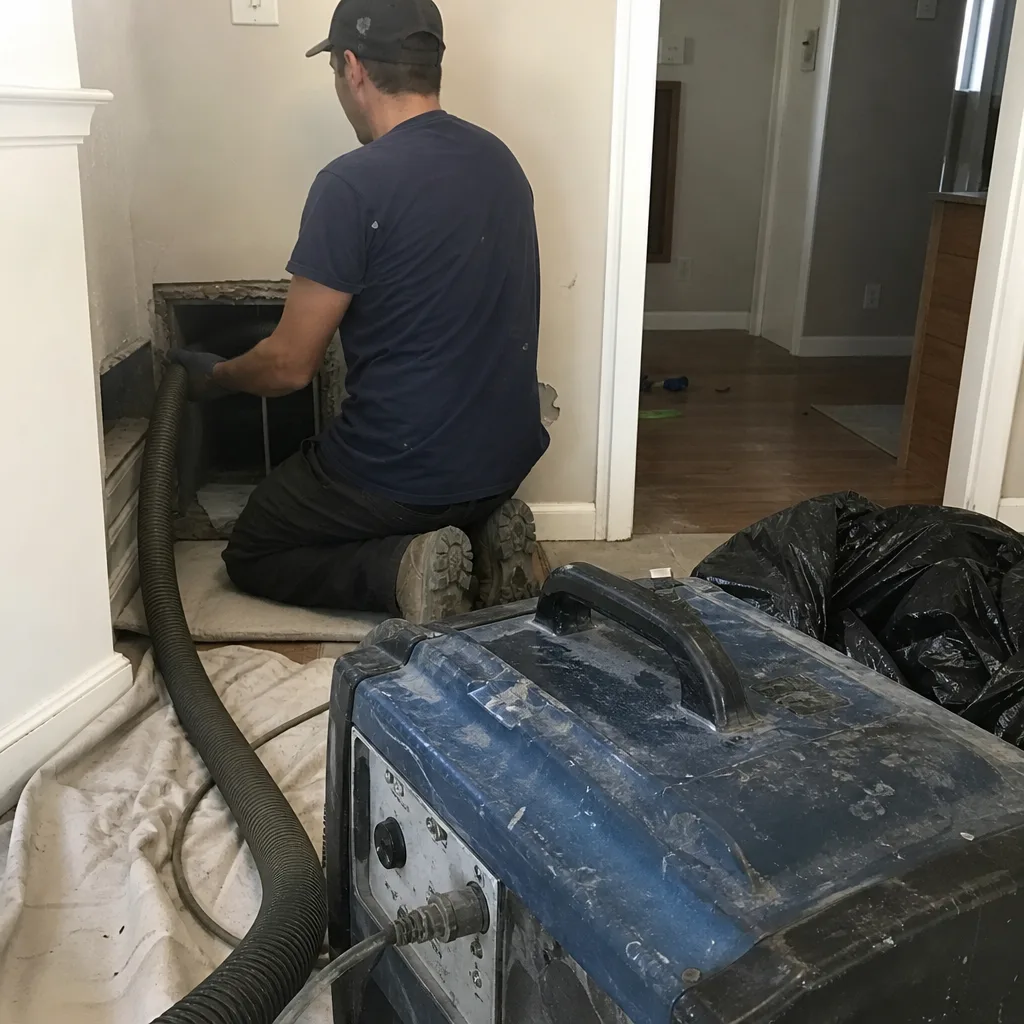
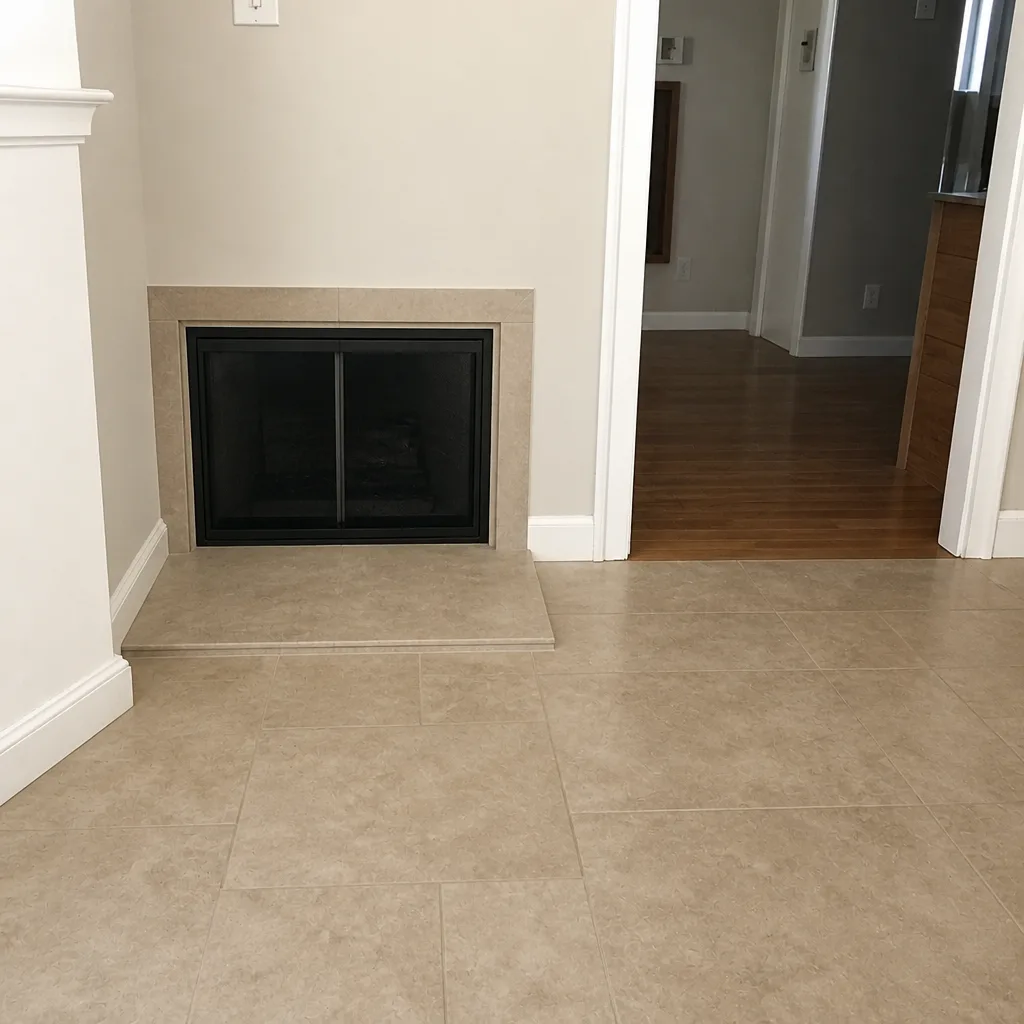
See the difference
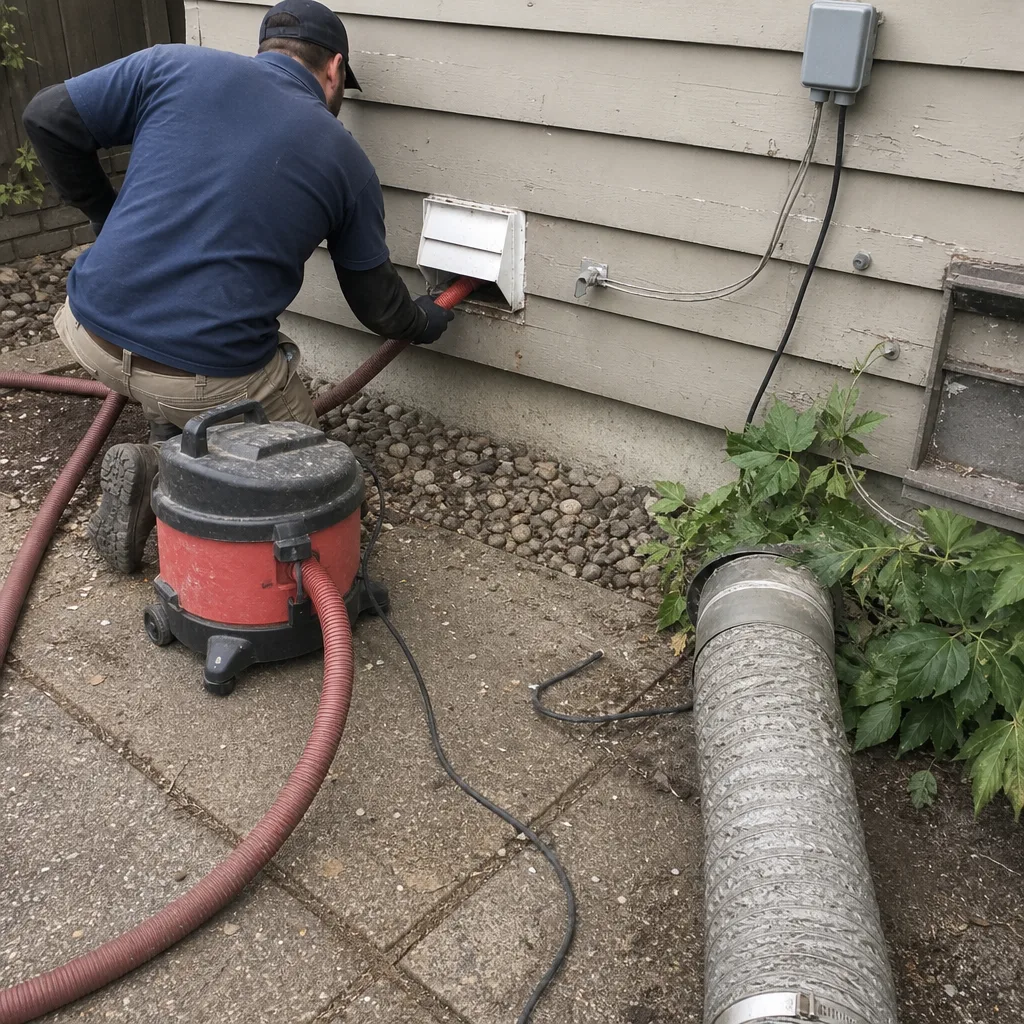 Before
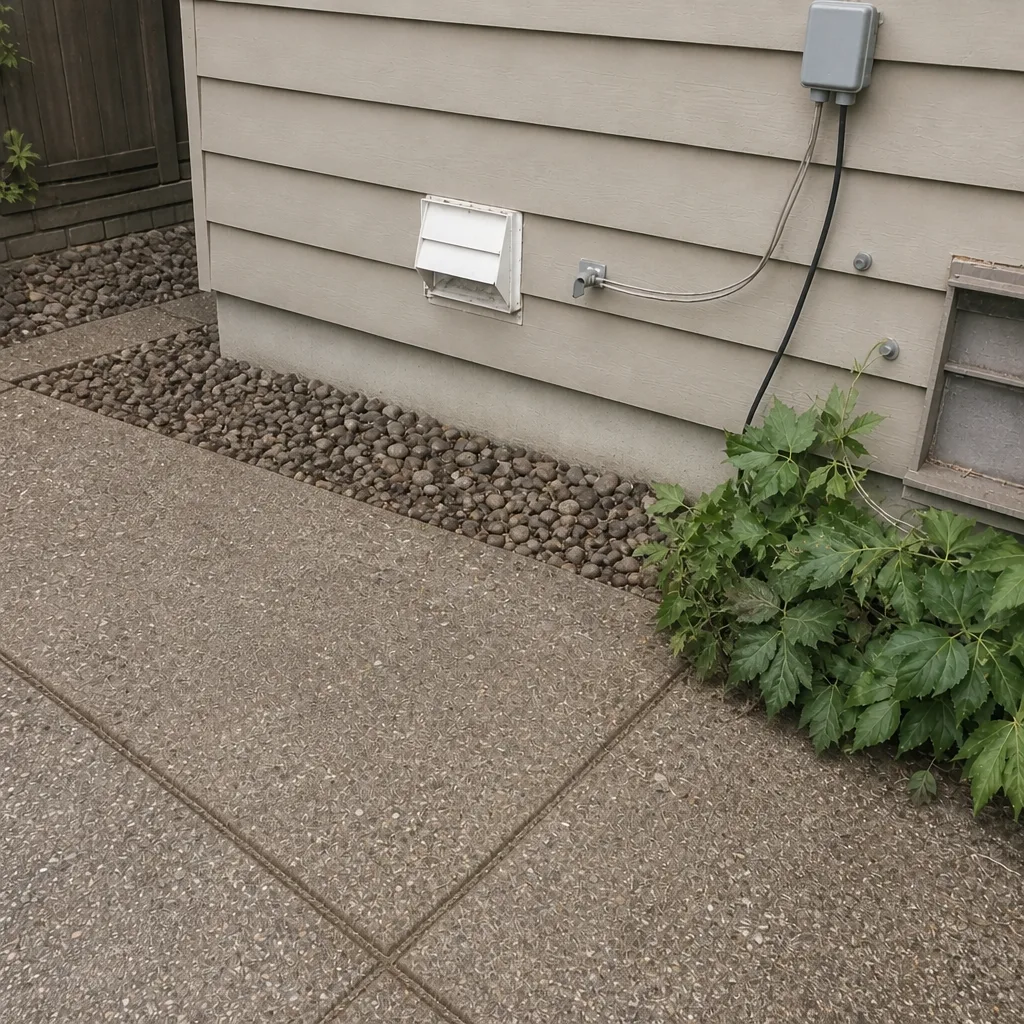 After
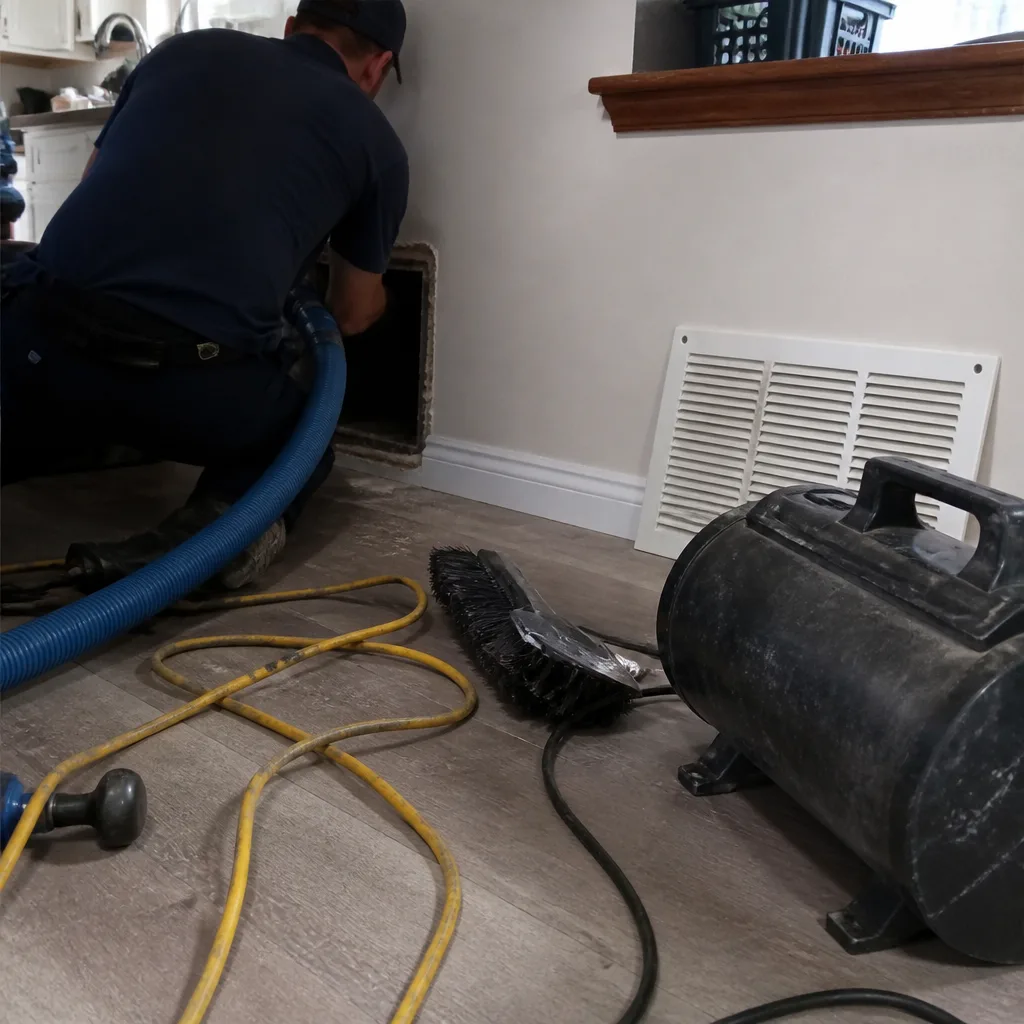 Before
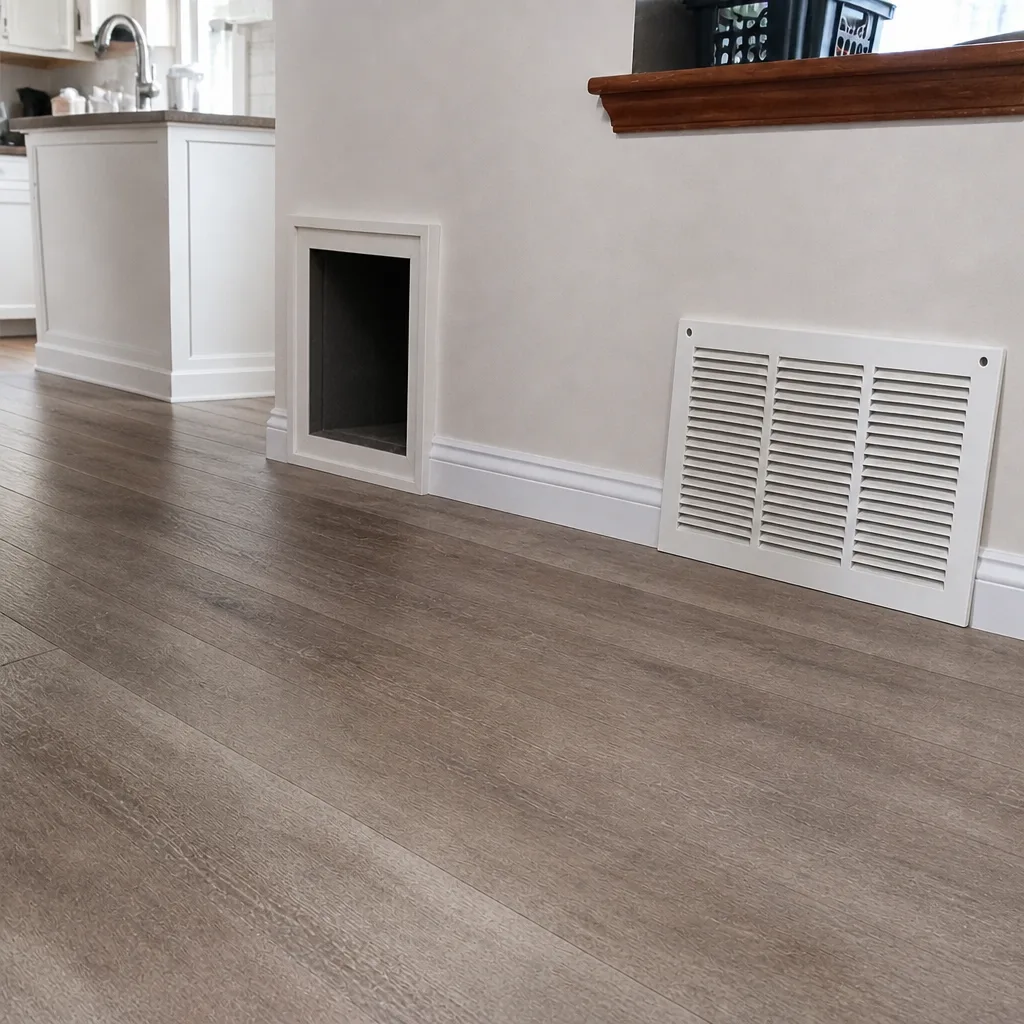 After
 Before
 After
When to Call a Professional
Some duct conditions are worth an inspection but can wait. Others are worth a call now. Call us when you smell smoke, must, or burnt dust that doesn’t clear after the first hour of a heating cycle; when visible debris comes off a register on a white cloth; when the system is struggling to move air through the house and a filter change hasn’t fixed it; when you’ve had a renovation, a new build, or a nearby fire; or when the dryer vent hasn’t been checked in a while. If you’re unsure, an inspection is the right move, and we’d rather tell you the ducts are fine than sell a cleaning you don’t need. Marysville Air Duct Cleaning Co offers free estimates in Marysville. Call (888) 847-8751. We answer 24/7. Fast dispatch from 7am to 7pm, Sunday through Friday. A call outside dispatch hours is booked into the next opening, Sunday through Friday, 7am to 7pm.
Frequently Asked Questions
Most Marysville homes do well with an inspection once or twice a year and a cleaning when the inspection indicates it, which often works out to every few years rather than annually. The local climate, with smoke in late summer, spores in fall, and pollen and construction dust in spring, makes inspection timing more useful than a fixed cleaning interval. Call (888) 847-8751 for an exact quote. Estimates are free.
No, and scheduling one anyway is a common overspend. If you changed the filter during the event, you don’t smell smoke when the system runs, and you don’t see heavy residue on the registers, the ducts probably don’t need cleaning. What’s warranted is an inspection, which is cheap and tells you honestly whether a cleaning is indicated. Call (888) 847-8751 for an exact quote. Estimates are free.
Cheap quotes usually mean a blower-only method that moves debris without physically removing it from the duct walls, or a partial job that skips the return side or the coil. Contact cleaning with a rotating brush system and HEPA-rated negative-air capture is a slower, more thorough process and prices accordingly. Ask any provider what equipment they use and whether they capture debris at the source. Call (888) 847-8751 for an exact quote. Estimates are free.
Ask for before-and-after photos of your own ducts, not stock images, and ask the technician to show you what came out of the system. A legitimate provider will walk you through what they found and what they removed. We provide before-and-after photos as a standard part of the job. Call (888) 847-8751 for an exact quote. Estimates are free.
Yes, and a new build is one of the few situations where a cleaning is almost always justified regardless of what an inspection shows. Construction dust, drywall dust, and framing debris get pulled into the duct system during the finishing phase, and fine drywall dust settles into the duct walls in a way that ordinary airflow won’t dislodge. A post-construction cleaning in the first year is the sensible move. Call (888) 847-8751 for an exact quote. Estimates are free.
Cleaning removes what’s already inside the ducts; sealing closes the leaks that let new contamination in. In a system with leaking joints, cleaning without sealing means the ducts recontaminate themselves within weeks. Most Marysville homes built before the last couple of decades or with ducts running through an attic or crawlspace benefit from sealing alongside cleaning. Clean ducts that stay clean is the goal. Call (888) 847-8751 for an exact quote. Estimates are free.
The Bottom Line
Marysville’s seasonal conditions make duct maintenance a calendar question, not a once-a-decade one. The dominant contaminant shifts through the year: smoke particulate in late summer, spores and heating-reactivation debris in fall, recirculated dust and dry air in winter, pollen and construction dust in spring. The right response follows the season, and the right response is usually an inspection, not an automatic cleaning. The single most valuable habit is to schedule the pre-heating inspection in late September, before the first cold snap, because that’s when a smoky August turns into a house full of smoke smell in October. Contact cleaning with a Rotobrush platform and HEPA-rated capture is the method that removes debris rather than stirring it, and duct repair and sealing is what makes the result last. The rest of the calendar, done honestly, keeps your system cleaner, your air better, and your money in your pocket.
If you’d like a straight answer about what your ducts actually need, call Marysville Air Duct Cleaning Co at (888) 847-8751 for a free estimate. We answer 24/7. Fast dispatch from 7am to 7pm, Sunday through Friday. A call outside dispatch hours is booked into the next opening, Sunday through Friday, 7am to 7pm. One flat price per system is agreed before work starts, and you’ll see before-and-after photos of your own ducts.
Written by the team at Marysville Air Duct Cleaning Co.