
Last updated November 25, 2026
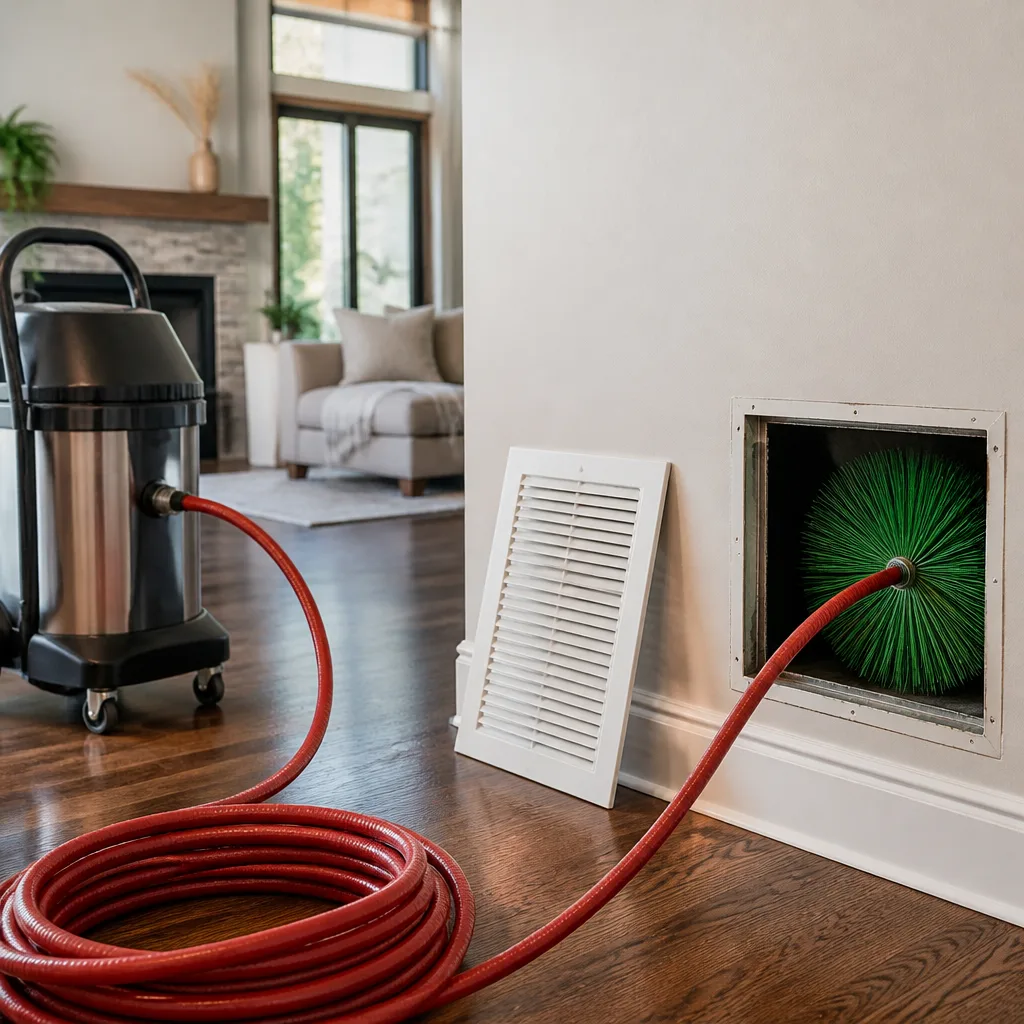 Whole-home duct cleaning
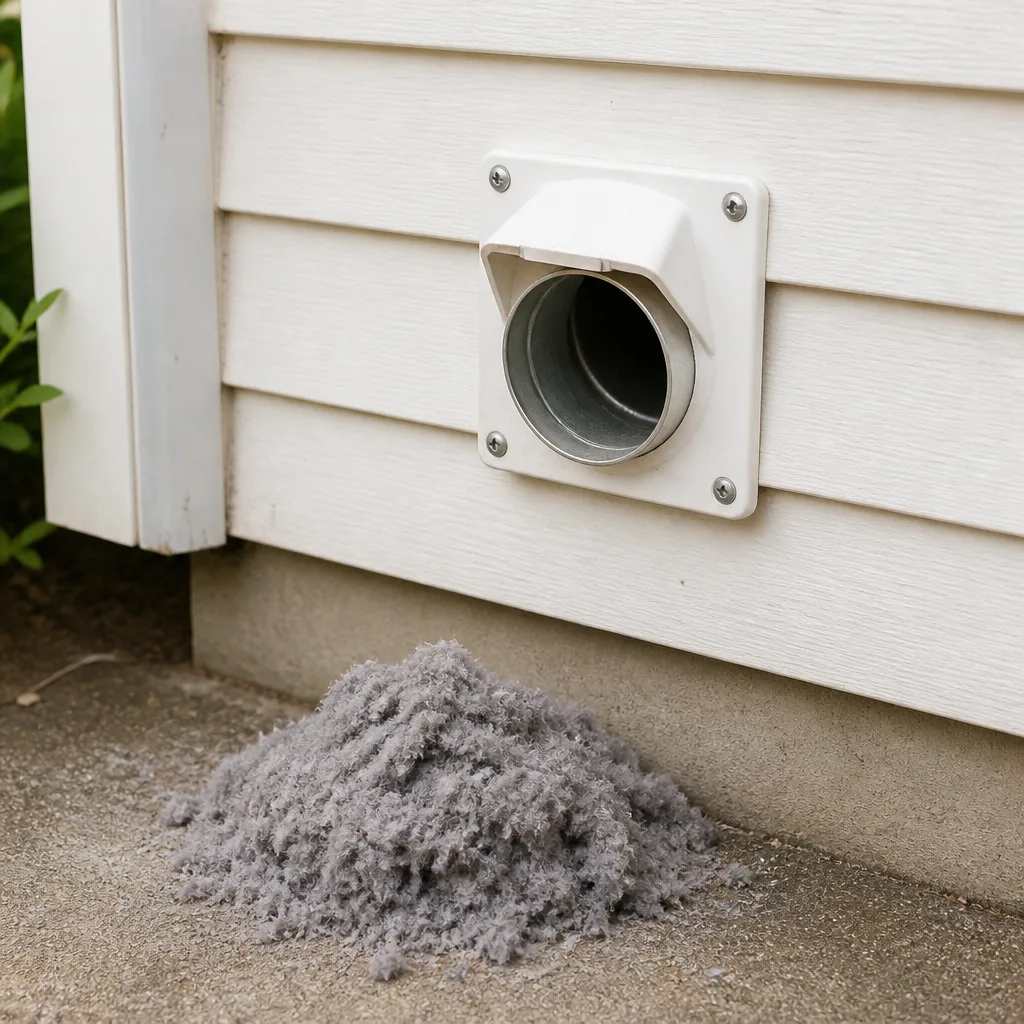 Dryer vent cleaning
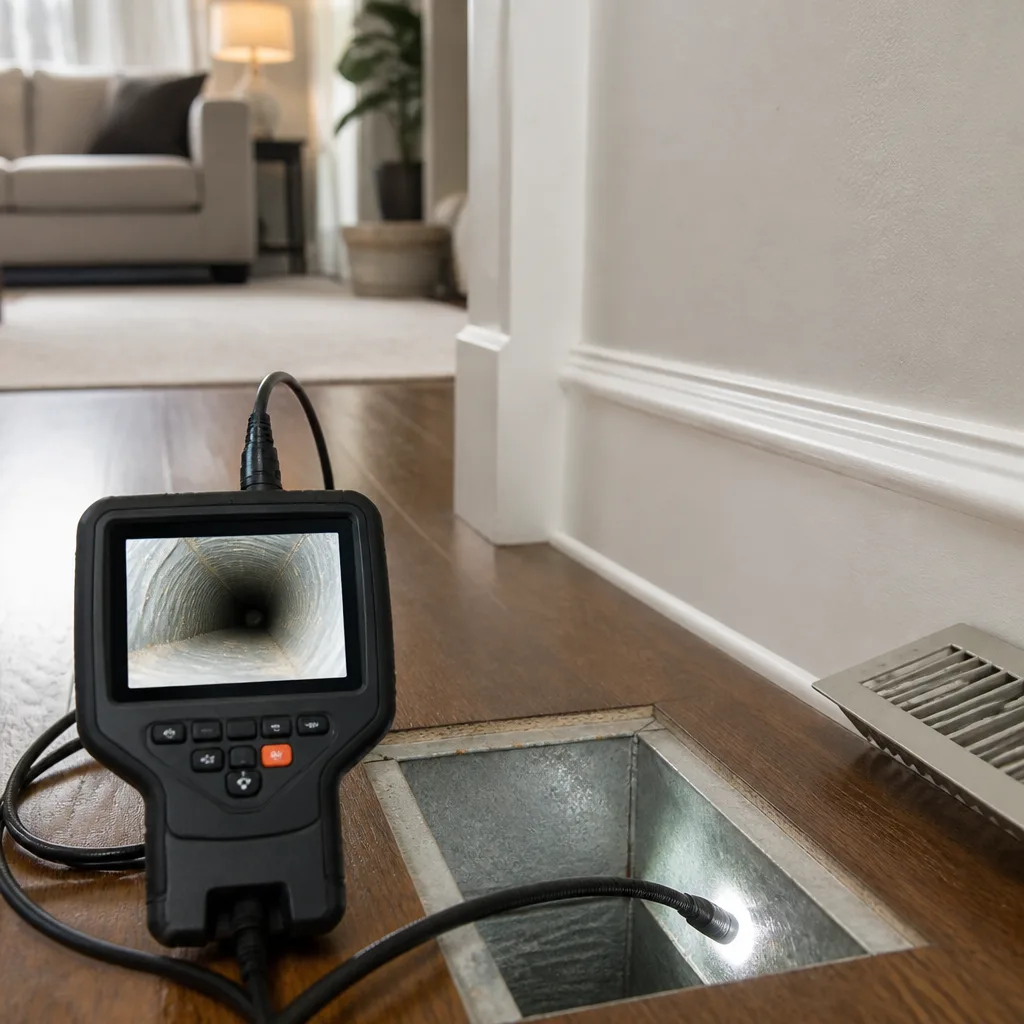 Camera inspection
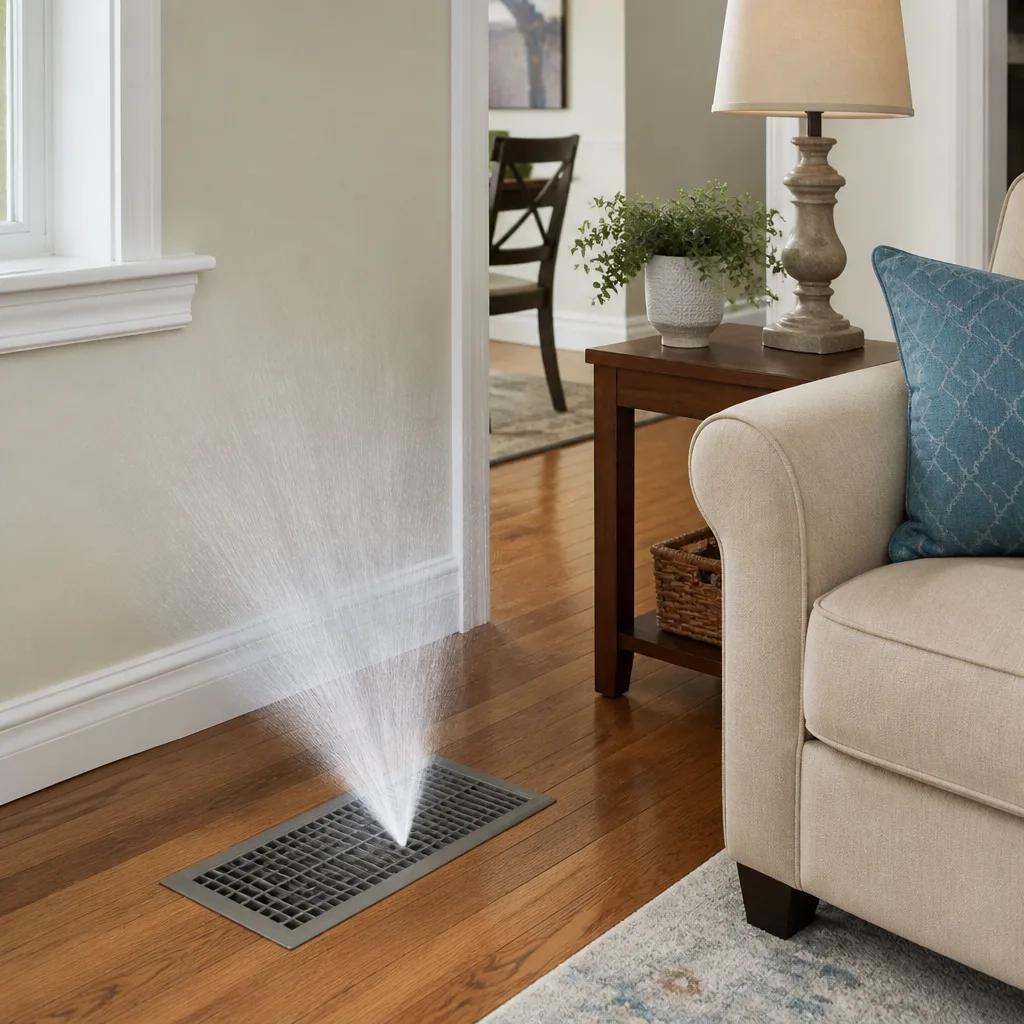 Sanitizing & deodorizing
Whole-system duct and dryer vent check with before-and-after photos - you see exactly what came out of your vents
That "$99 whole-house special" is a bait ad - the real number appears once they are in your hallway, or the "clean" is a shop-vac at the register. We photograph the inside of your ducts before and after instead.
How to Hire an Air Duct Cleaning Contractor in Marysville: A Step-by-Step Guide
Any person with a van and a leaf blower can legally offer duct cleaning in Washington State. There’s no state license that separates a trained contractor from a price-bait operator, which is a hard truth most homeowners in Marysville don’t learn until after the invoice arrives. The difference between the two comes down to the equipment they use and whether they can explain it without flinching. This guide gives you a vetting framework built around equipment and process rather than credentials that don’t exist. You’ll learn the specific questions to ask, what acceptable answers sound like, and how to verify the work was actually done.
Quick Answer
To hire a reputable air duct cleaning contractor in Marysville, WA, verify the equipment first: ask whether they use contact-brush cleaning with a HEPA-rated negative-air capture system, and get the CFM rating of their vacuum. Ask for a written scope of work before any money changes hands, confirm they do a pre-inspection walkthrough, and be skeptical of flat-rate quotes under $150 or pressure to add “antimicrobial treatments.” A legitimate contractor can name their equipment and walk you through the whole system, not just the visible vents.
Styles & brands we work with
- Whole-home duct cleaning
- Dryer vent cleaning
- Camera inspection
- Sanitizing & deodorizing
Table of Contents
- Why Duct Cleaning Has No State Licensing in Washington
- The Equipment Questions You Should Ask
- What NADCA Membership Actually Verifies
- Red Flags in a Duct Cleaning Quote
- What a Written Scope of Work Should Contain
- What a Proper Pre-Inspection Looks Like
- How to Verify the Job Was Actually Done
- Marysville-Specific Factors to Weigh
Why Duct Cleaning Has No State Licensing in Washington
Washington State does not issue a specific license for air duct cleaning as a standalone trade. General contractor registration exists for construction and remodeling work, and it’s a criminal offense to operate without it in some contexts, but the specifics of what duct cleaning falls under are worth confirming with the Department of Labor & Industries. In practice, this means a homeowner in Marysville has no state database to run a contractor’s name through and see a duct-cleaning credential pop up. The burden of vetting falls on you.
What this means for your decision:
- You can’t rely on a license number to prove technical competence in duct cleaning specifically.
- Registration and insurance protect you if something goes wrong with the property, but they don’t say anything about whether the duct cleaning is thorough.
- The only reliable filter is the questions you ask before you sign anything.
In other states, some municipalities require separate permits for HVAC work. If the scope includes duct repair or sealant application in a way that triggers HVAC code, ask your city’s building department whether a permit applies. Most Marysville residential duct cleaning is a maintenance service and doesn’t pull a permit, but duct modifications can. When in doubt, a legitimate contractor won’t blink at that question.
The Equipment Questions You Should Ask
The single most revealing conversation you can have with a duct cleaning contractor is the one about their equipment. A well-equipped contractor can describe how their tools physically remove debris; a price-bait operator will describe a big vacuum and a promise to clean the whole system. Here’s what to ask and what acceptable answers sound like.
The five equipment questions
- What kind of vacuum do you use, and what is its CFM rating? CFM (cubic feet per minute) tells you how much air the vacuum moves. Truck-mounted units typically move far more air than portable units and are the professional standard. If they can’t tell you the CFM, that’s a real warning. A qualified operator knows the number or knows the model well enough to look it up.
- Do you use contact cleaning, or just negative pressure? Negative pressure is the vacuum pulling air out of the system. Contact cleaning means brush systems that physically agitate the duct walls to knock debris loose. You want both, because negative air only captures what’s already loose and brush agitation wakes up what’s stuck. The Rotobrush contact-brush system is one example of the platform we use in Marysville homes.
- Where does the debris go when it’s dislodged? A HEPA-rated negative-air capture system traps dislodged debris at the source. Without HEPA-rated containment, the debris loosened in one room lands in another. Nikro HEPA-rated equipment is one platform built for that job, and Abatement Technologies equipment is designed for higher-contamination scenarios like post-renovation debris or significant mold loads.
- How do you access the full duct run, not just the register? Duct systems have branches, trunk lines, elbows and return drops that don’t show up through the grille alone. Ask how they reach the ones tucked above kitchen soffits or behind finished basement ceilings.
- What’s your process for sanitizing afterward, and do I need it? Sanitizing is separate from cleaning and is only appropriate after the ducts are clean. A serious contractor will tell you that.
A good sign in all of this: whoever you’re talking to can describe the system in plain language and doesn’t hide behind brand names.
What NADCA Membership Actually Verifies
The National Air Duct Cleaners Association (NADCA) sets standards contractors can choose to follow. Membership is voluntary, and it verifies that the contractor has committed to the association’s code of ethics and, in some cases, taken the Air Systems Cleaning Specialist (ASCS) certification. What it does not verify is a state license, a bonded status, a specific equipment inventory, or that a specific technician on your Marysville job is the one who passed.
That doesn’t make NADCA irrelevant, but it puts it in perspective. Use it as one signal in a set:
- What it tells you: the contractor participates in industry standards and has some training baseline.
- What it doesn’t tell you: how much airflow their vacuum generates, whether they brush the ducts, or whether they capture dislodged debris with HEPA filtration.
- What to still ask: the equipment questions above, and whether the same crew that walks in the door is the one NADCA trained.
The better approach is to treat NADCA as one box to check, not the whole checklist. Many contractors who do excellent work are not members, and enrollment by itself doesn’t guarantee a thorough job.
Red Flags in a Duct Cleaning Quote
Duct cleaning is one of the few home services where the lowest bidder is almost always the wrong choice. It costs real money to run a truck-mounted vacuum, buy contact-brush equipment and HEPA-rated negative-air units, and pay trained technicians. A quote that doesn’t reflect that cost structure isn’t a bargain; it’s a different level of service.
Watch for these warning signs before you sign anything:
- A flat-rate quote under $150 for “the whole house.” That number can’t cover professional equipment and labor for a typical Marysville home. When it appears, plan on a much larger invoice showing up after the technician is inside.
- No pre-inspection walkthrough. A legitimate contractor looks at the system first, counts the returns and supplies, checks the accessible trunk lines and asks about recent renovations. Skipping this step means the quote is a guess or a hook.
- Per-vent or per-register pricing. It rewards volume over thoroughness and can vary wildly depending on how you count registers yourself. Ask for a whole-system number instead.
- Upsell pressure for “antimicrobial treatments.” Sanitizing has a legitimate role after a documented contamination event, but if the treatment is being pressured before the ducts are even clean, the sales pitch is the product.
- No written scope of work. If the only thing you’re signing is a work order with a price on it, you have no way to verify what “done” means.
- No before-and-after documentation. The best evidence of the job is a photo record of the ducts before and after.
- Anyone who can’t name the equipment without checking their phone. There’s a diffused answer, and there’s a confident answer. You want the second one.
What a Written Scope of Work Should Contain
A written scope of work is your contract, your checklist and your proof all in one. It should be in your hands before any work begins and before any deposit or payment. If a contractor balks at providing one, that alone is a reason to walk away.
Here’s what a proper scope for a Marysville home should spell out:
- Which systems are being cleaned. The supply side, the return side, or both. Clarify whether the ductwork inside the air handler unit is included.
- The exact equipment being used, by name. Truck-mounted or portable vacuum with CFM, contact-brush or air-jet agitation, and HEPA-rated negative-air capture. A legitimate contractor writes this down.
- How many registers and returns are included. Count them yourself and confirm the count matches. It prevents surprises.
- Whether sanitizing is included, and what product is used. If it’s separate, the scope should price it separately and say when it’s worth doing.
- Whether duct repair and sealing are included. Leaky duct joints let contaminants back in, so the scope should state whether sealing is part of the job or a follow-up. Clean ducts that stay clean require fixing the leaks.
- Post-job documentation. What photos, video or written report will you receive? What’s the protocol for showing you dislodged debris?
- Price, payment schedule and a satisfaction guarantee. One flat price per system agreed before work starts is the standard to hold contractors to.
- Whether dryer vent cleaning is included. It’s a related fire-risk reduction service and worth pricing in the same visit if your vent hasn’t been serviced recently.
What a Proper Pre-Inspection Looks Like
The pre-inspection is where the difference between serious and sketchy shows up first. It usually takes about 15 to 30 minutes in a typical Marysville home and involves looking at the whole system, not just the grilles you can reach from a step ladder.
What you should see during a real pre-inspection:
- The technician opens the air handler or furnace cabinet and looks inside the blower compartment and the evaporator coil area.
- They pull a register grille or two and use a flashlight and mirror (or a camera) to look down the branch runs.
- They check for disconnected flex duct in attics and crawl spaces, which is common in older homes and mobile homes around Marysville.
- They ask about recent renovations, roof work or pest activity, since those change the scope.
- They ask about allergy symptoms, new HVAC installs and whether the dryer vent is on your list.
- They write this up in the scope, with a price for the whole system rather than a per-vent guess.
If the technician arrives and immediately goes for the register grilles without looking at the air handler, that’s a sign the cleaning will be shallow. The pre-inspection is the contractor’s chance to prove they understand your whole system.
How to Verify the Job Was Actually Done
Completion in this trade is easy to fake and hard to verify after the fact, which is why you need to arrange it before the work begins. The single strongest defense is documentation: photos of the inside of the ductwork before cleaning and photos of the same spots after. Ask to see both.
Other ways to verify the work on the day:
- Before-and-after photos of your own ducts. Not stock photos, not their website gallery. Yours. Every register location documented.
- Watch the dislodged material come out. A HEPA-rated capture system collects debris in a bag or bin that can be shown to you at the end.
- Look for visual consistency. If the grille you can reach is lined with dust when they’re done, that’s a bad sign for the runs you can’t reach.
- Check airflow after the job. Return airflow through the registers should feel at least as strong as before, and often stronger if debris was blocking part of the run.
- Ask about any repairs performed. If duct sealing was part of the scope, ask which joints were sealed and where.
- Keep the report. A proper contractor gives you a written summary of what was cleaned, what was repaired and what was found.
If a contractor can’t show you evidence, the assumption should be that the job wasn’t done thoroughly. That’s the honest way to look at it.
Marysville-Specific Factors to Weigh
Marysville sits in the Snohomish County lowlands with a climate that swings from wet winters to warm, dry summers, and that cycle affects how duct systems perform. Homes around the Marysville area range from older single-family houses to newer construction and manufactured homes, and each type has its own duct concerns.
- Wet-season humidity. Winter moisture in the Pacific Northwest creates conditions that encourage dust to clump and settle in ductwork rather than stay airborne. A vacuum alone often isn’t enough; brushing loosens the layer.
- Attic and crawl space duct runs. Older Marysville homes often have disconnected or sagging flex duct in these spaces, which lets unconditioned air and debris in. A pre-inspection is where that shows up.
- New construction and remodels. Builders in the Marysville area are still active, and drywall dust and construction debris work their way into HVAC systems during the finishing stage. Post-renovation cleaning is a different job than routine maintenance and needs equipment rated for heavy loads.
- Seasonal pollen. Spring pollen in the Snohomish County area drives air quality complaints. Clean ducts don’t eliminate pollen from the outdoor air, but dirty ducts keep circulating what’s already inside.
If you also want to address filtration at the equipment level, a legitimate contractor should be able to supply and install whole-home air quality products from Honeywell and Aprilaire, which address the filtration and humidity infrastructure in addition to the ductwork itself. That approach handles the source and the system instead of only one.
Common Mistakes to Avoid
- Comparing quotes on price alone. A $99 flat rate and a whole-system price aren’t the same product. Put the scope, equipment and documentation side by side and compare those.
- Skipping the pre-inspection. Homeowners in Marysville who book without a walkthrough end up paying for a scope that changes on the day. Insist on the walkthrough.
- Accepting pressure for antimicrobial treatments. Sanitizing after the ducts are clean has a role; being sold it before the cleaning is a red flag for the sales agenda.
- Not asking whether duct repair and sealing are included. Leaky joints pull dust straight back in, so cleaning without sealing shortens the useful life of the result. Clean ducts that stay clean require the leaks fixed.
- Forgetting the dryer vent. Dryer vent cleaning is a documented fire-risk reduction service, easy to fold into the same visit. It’s a separate job from duct cleaning but a sensible one to schedule together.
- Not asking for before-and-after photos. Once the truck leaves, your only evidence is what was documented. Get the photos as part of the scope.
- Assuming NADCA membership equals thoroughness. It signals an industry commitment, not the equipment, the CFM or the brush system. Ask the specific questions anyway.
See the difference
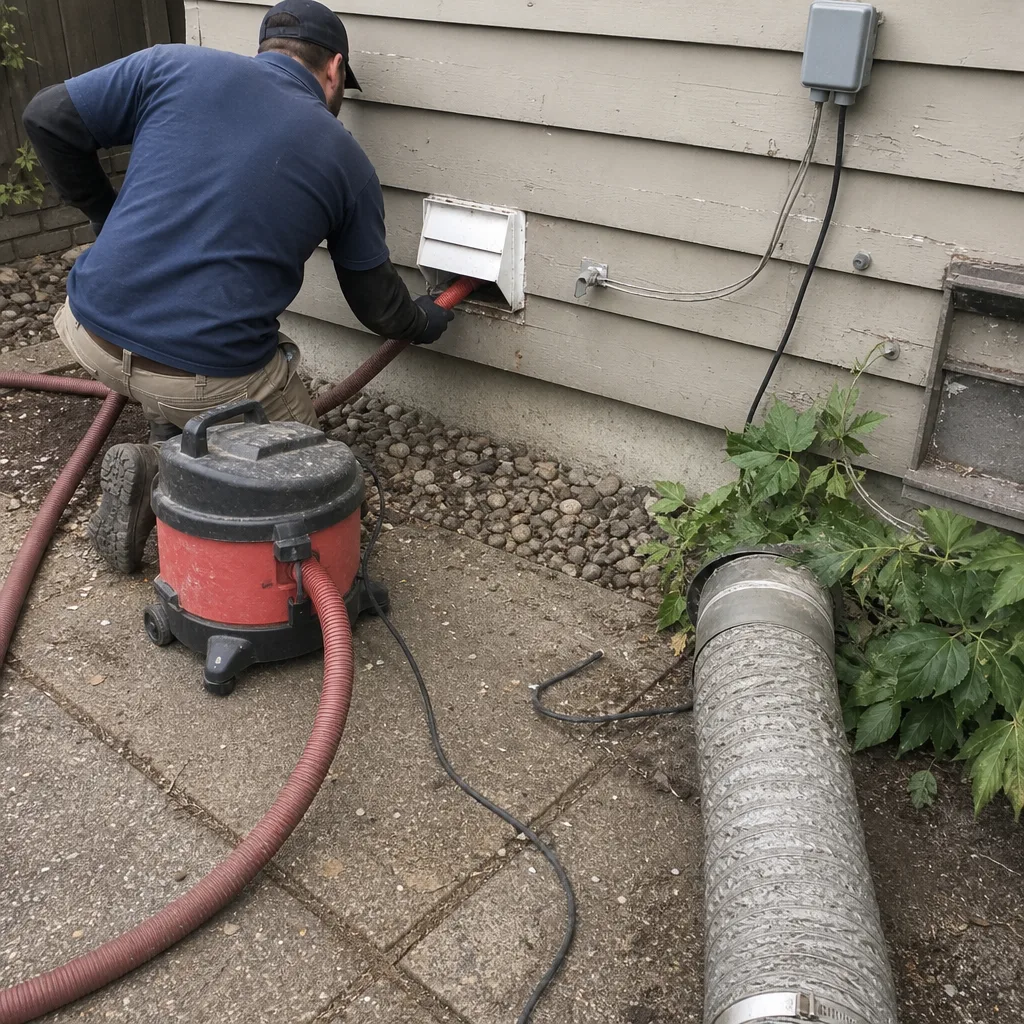 Before
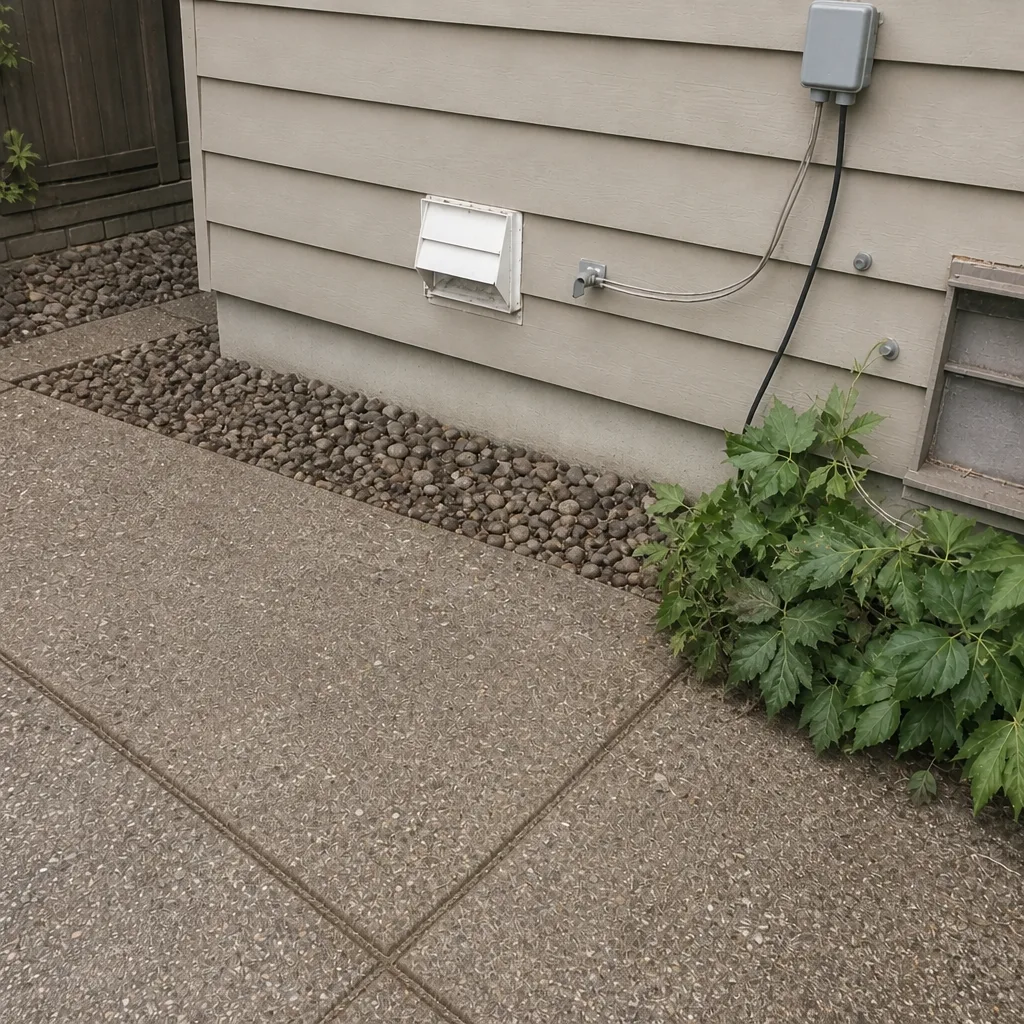 After
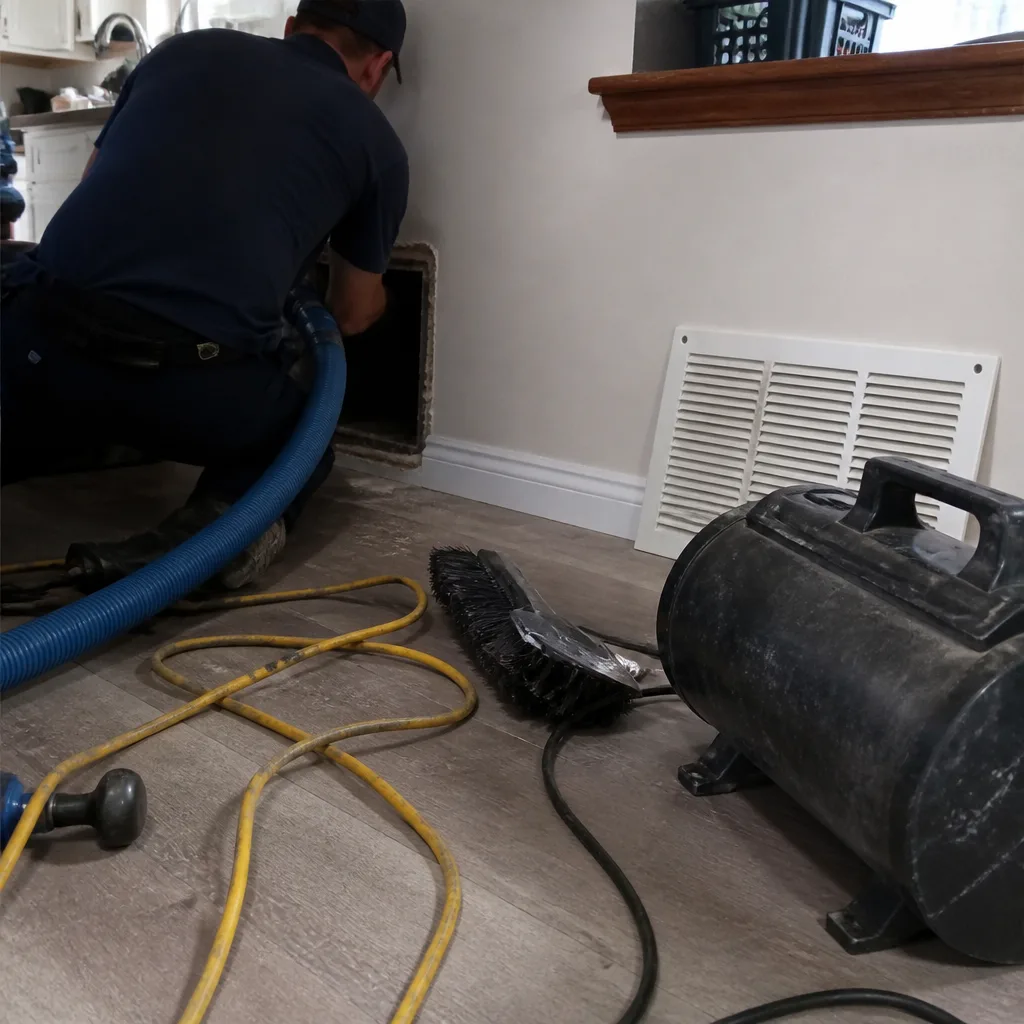 Before
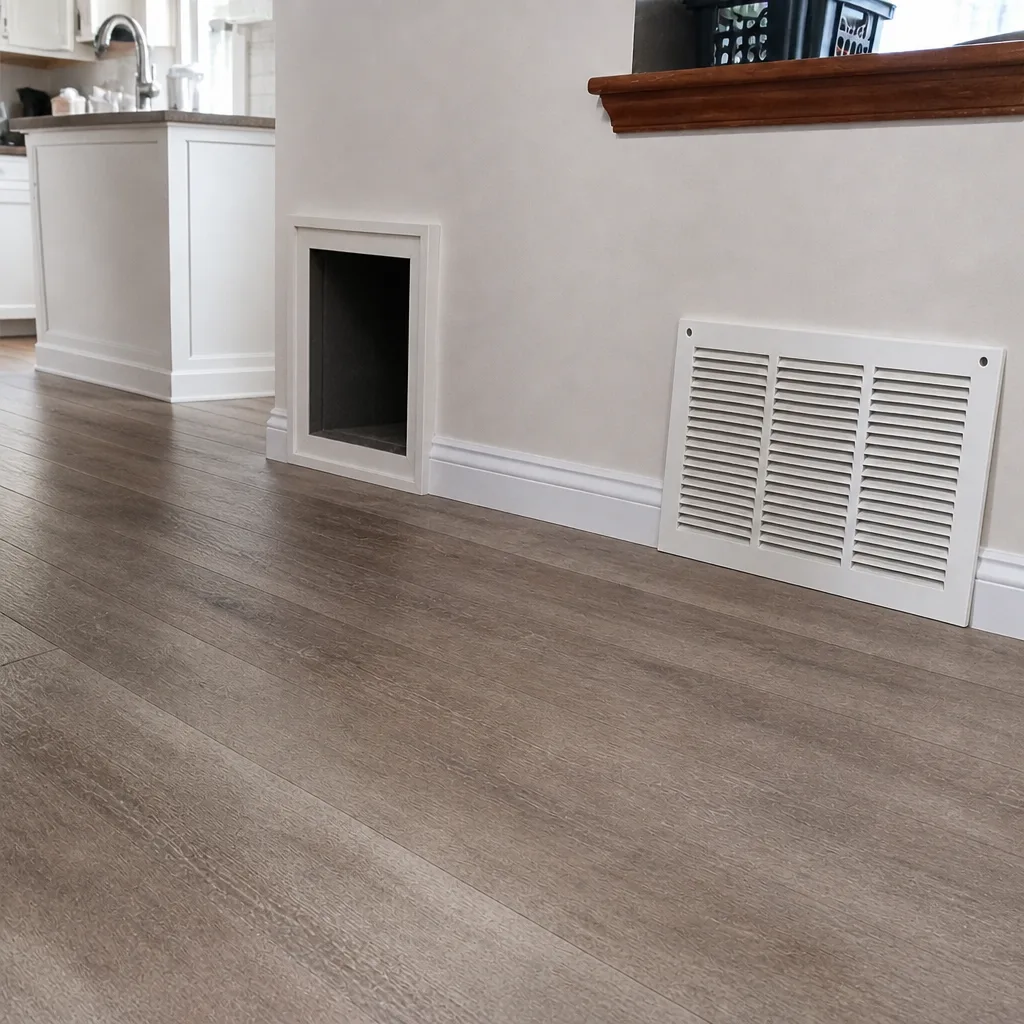 After
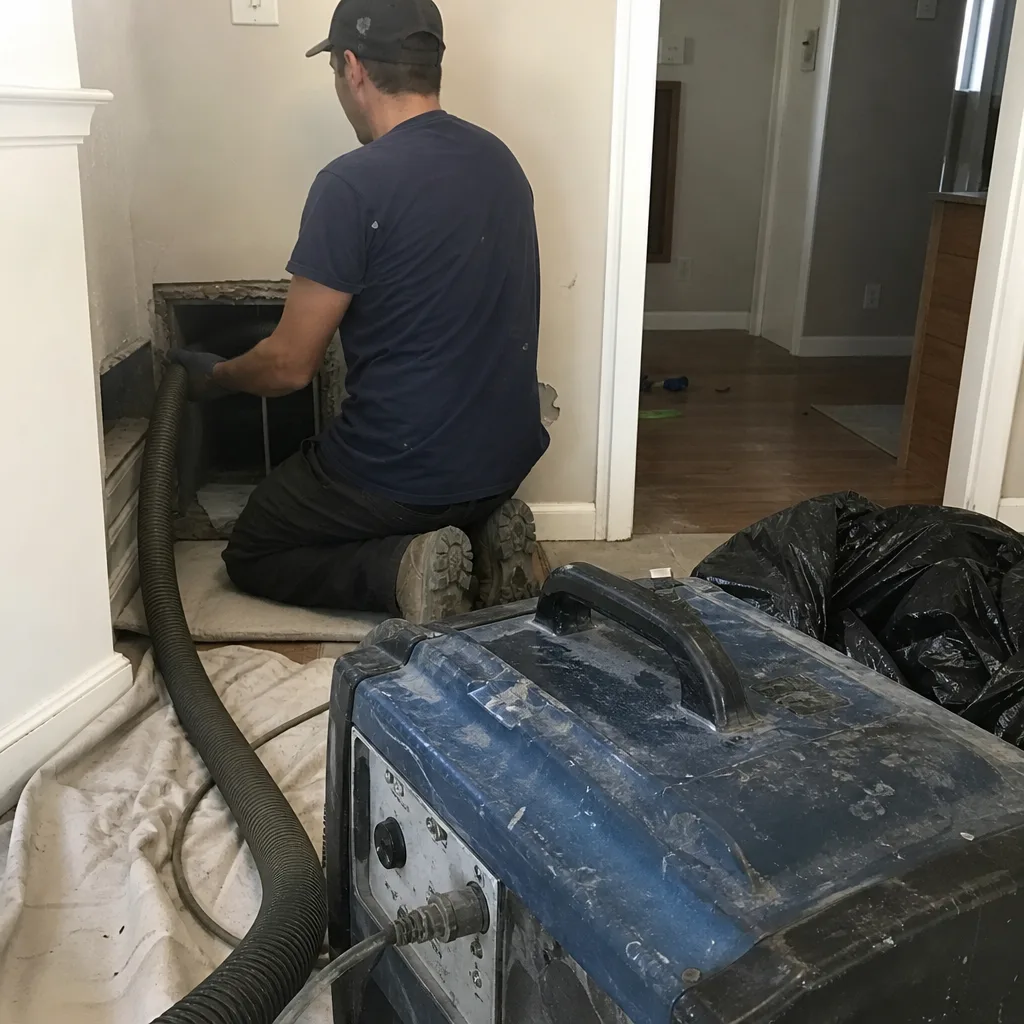 Before
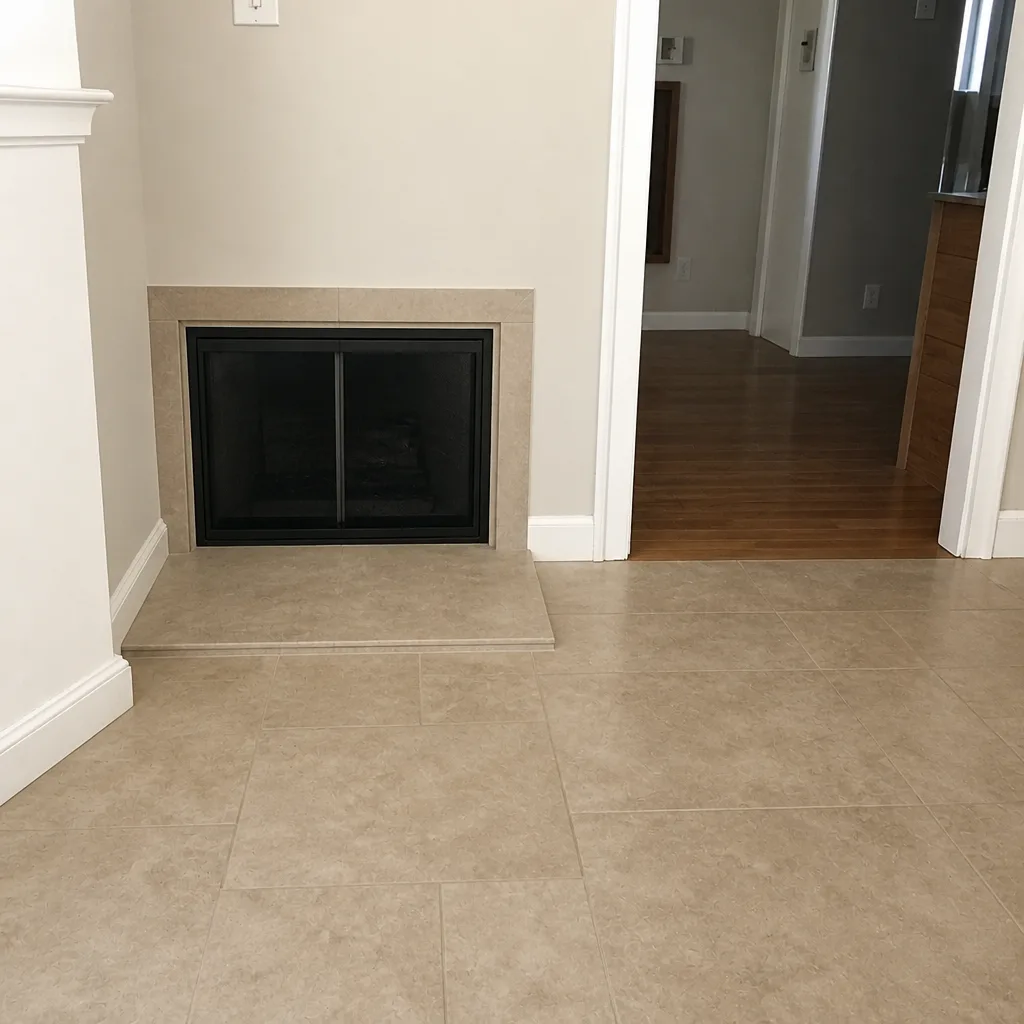 After
When to Call a Professional
Duct cleaning isn’t a job most homeowners in Marysville should attempt themselves. The visible grille is the easy part; the trunk lines, branches and air handler cabinet are where the dust actually builds up, and reaching them safely requires the right tools. Call a professional if you’ve just finished a renovation, if someone in the house has persistent allergy or respiratory symptoms, if you’ve moved into a home with unknown cleaning history, if you notice visible dust plumes from registers when the heat or AC kicks on, or if your dryer vent hasn’t been checked in a long time. You should also call if your system has moisture or pest activity, since elevated contamination scenarios need equipment like the Abatement Technologies systems used for heavier loads. Marysville Air Duct Cleaning Co offers free estimates in Marysville – call (888) 847-8751 for an exact quote.
Frequently Asked Questions
Whole-system air duct cleaning for a typical Marysville single-family home usually falls somewhere in the several-hundred-dollar range, but the exact number depends on the number of registers and returns, whether the job is routine maintenance or post-renovation, and whether duct sealing or dryer vent work is included. You should always get a written estimate for the whole system rather than a per-vent price, and that written number is what sets the final price. Call (888) 847-8751 for an exact quote – estimates are free.
Cheap quotes skip the equipment and the labor that make a real cleaning possible. A flat-rate price under $150 can’t cover a truck-mounted vacuum, contact-brush systems and HEPA-rated negative-air capture, so the low number is usually a hook that turns into a larger invoice once the technician is inside and starts pushing add-ons. Ask what equipment is included in the quote and whether the price is for the whole system. Call (888) 847-8751 for an exact quote – estimates are free.
Ask for before-and-after photos of your own ducts, not stock images. A proper clean leaves a documented record of what came out and what each register looked like before and after. You should also be able to see the debris collected by the HEPA-rated capture system. If the contractor can’t provide that, treat the job as unverified. Call (888) 847-8751 for an exact quote – estimates are free.
Most Marysville homes do fine with duct cleaning every three to five years, but the right interval depends on the home. Recent renovations, pets, smokers in the house, and heavy pollen season can all shorten the interval, while a duct system that’s sealed and well-filtered can go longer. Post-renovation cleaning is usually a separate cleanup regardless of the interval. Call (888) 847-8751 for an exact quote – estimates are free.
No. Washington State does not license duct cleaning as its own trade, and NADCA membership is voluntary. Membership tells you the contractor follows the association’s standards, but it doesn’t verify the equipment, the CFM of the vacuum, or which technicians actually work on your home. Treat NADCA as one signal among many, not the whole checklist. Call (888) 847-8751 for an exact quote – estimates are free.
Contact cleaning uses brushes that physically agitate the duct walls and knock debris loose, then a HEPA-rated negative-air system captures that loosened material at the source. Blower-only cleaning moves air through the ducts without physically scrubbing the surfaces, which tends to stir debris around in the living space instead of removing it. The difference shows up in air quality after the visit, in your Marysville home’s case especially during allergy season. Call (888) 847-8751 for an exact quote – estimates are free.
The Bottom Line
Hiring a duct cleaning contractor in Marysville comes down to three things: knowing what equipment to ask about, insisting on a written scope of work before money changes hands, and verifying the result with documentation of your own ducts. The lack of state licensing pushes the responsibility onto you, but that’s also your leverage. You can’t rely on a credential, so you don’t have to guess. Ask the equipment questions in this guide, watch for flat-rate bait pricing, and insist on before-and-after photos and one flat price per system agreed before work starts. For whole-home coverage, pair duct cleaning with dryer vent cleaning to address fire risk and HVAC cleaning to protect the system itself. Our technicians have up to 10 years of experience with professional-grade contact-cleaning and HEPA-rated containment equipment.
For free estimates from a Marysville contractor who can name every tool on the truck without hesitation, call (888) 847-8751. We answer 24/7. Fast dispatch from 7am to 7pm, Sunday through Friday.
Written by the team at Marysville Air Duct Cleaning Co.