
Last updated November 25, 2026
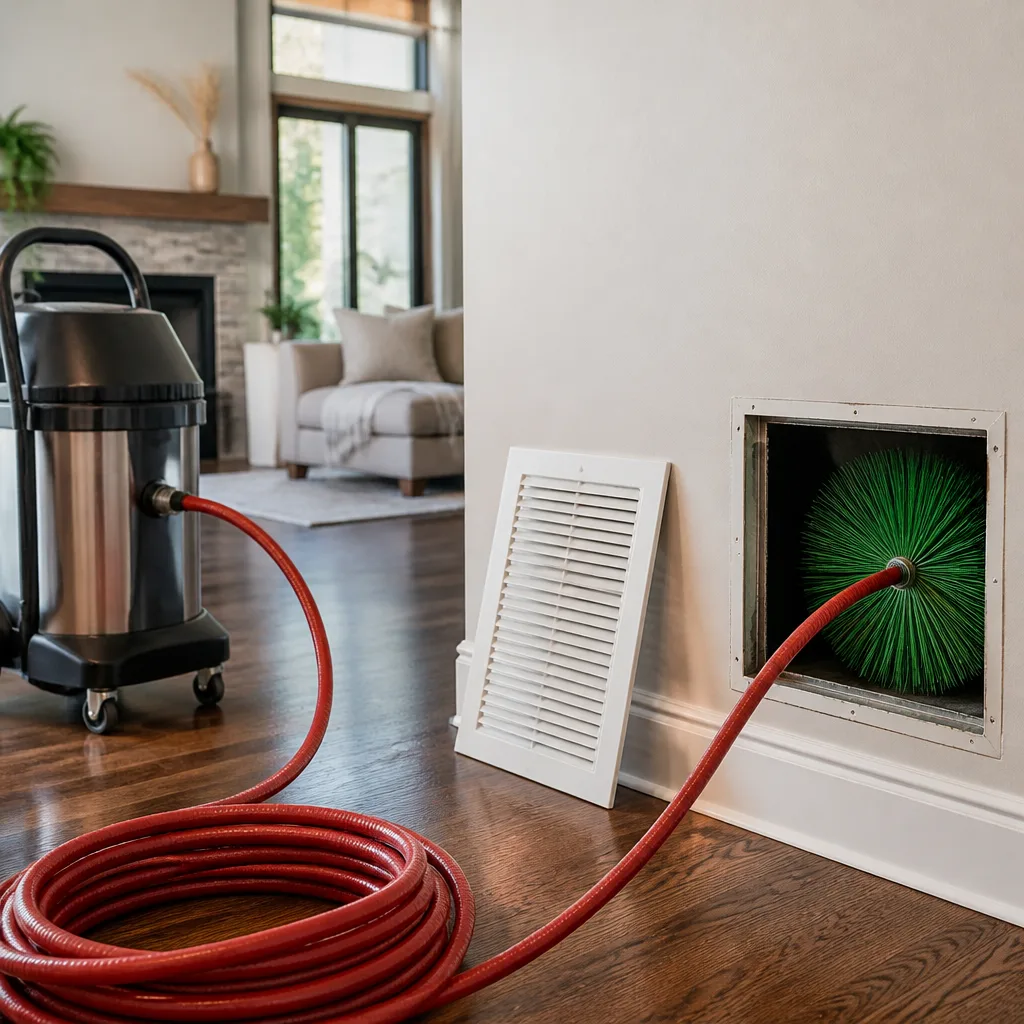 Whole-home duct cleaning
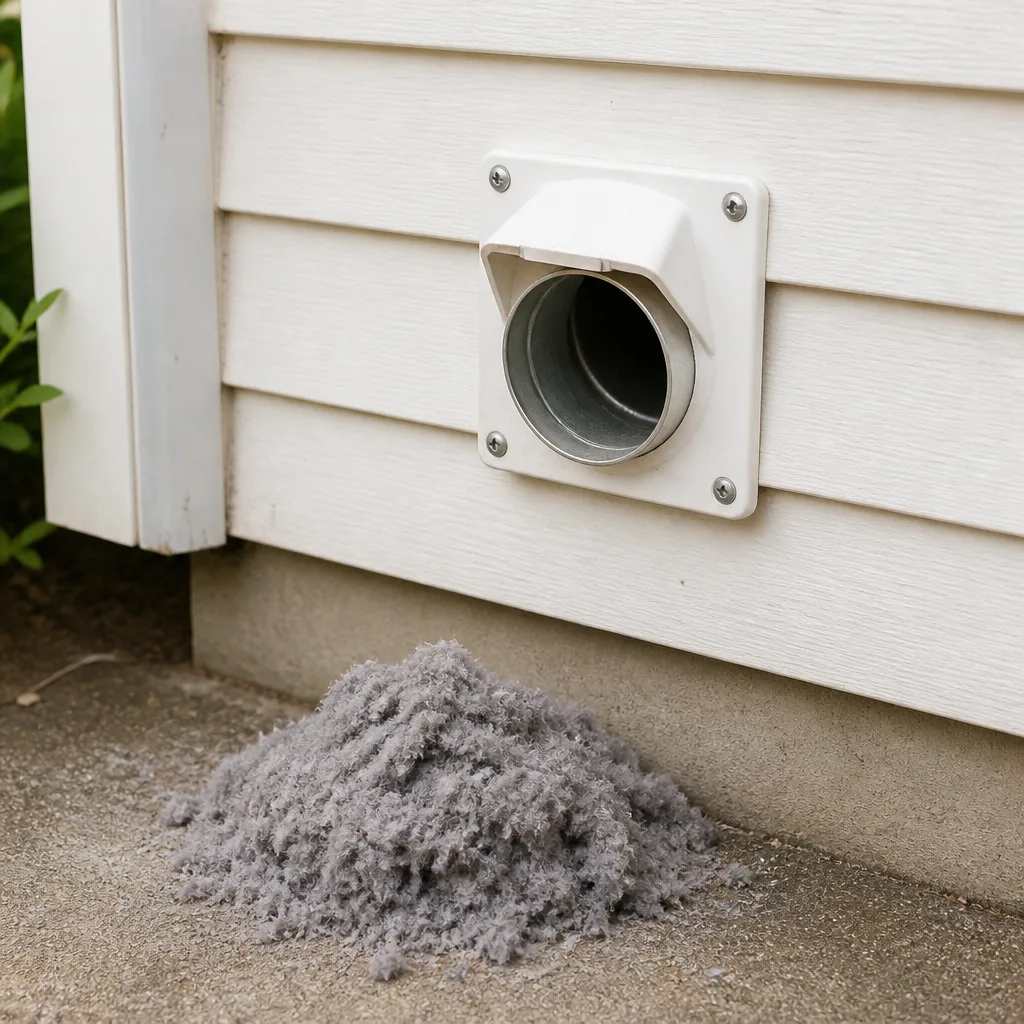 Dryer vent cleaning
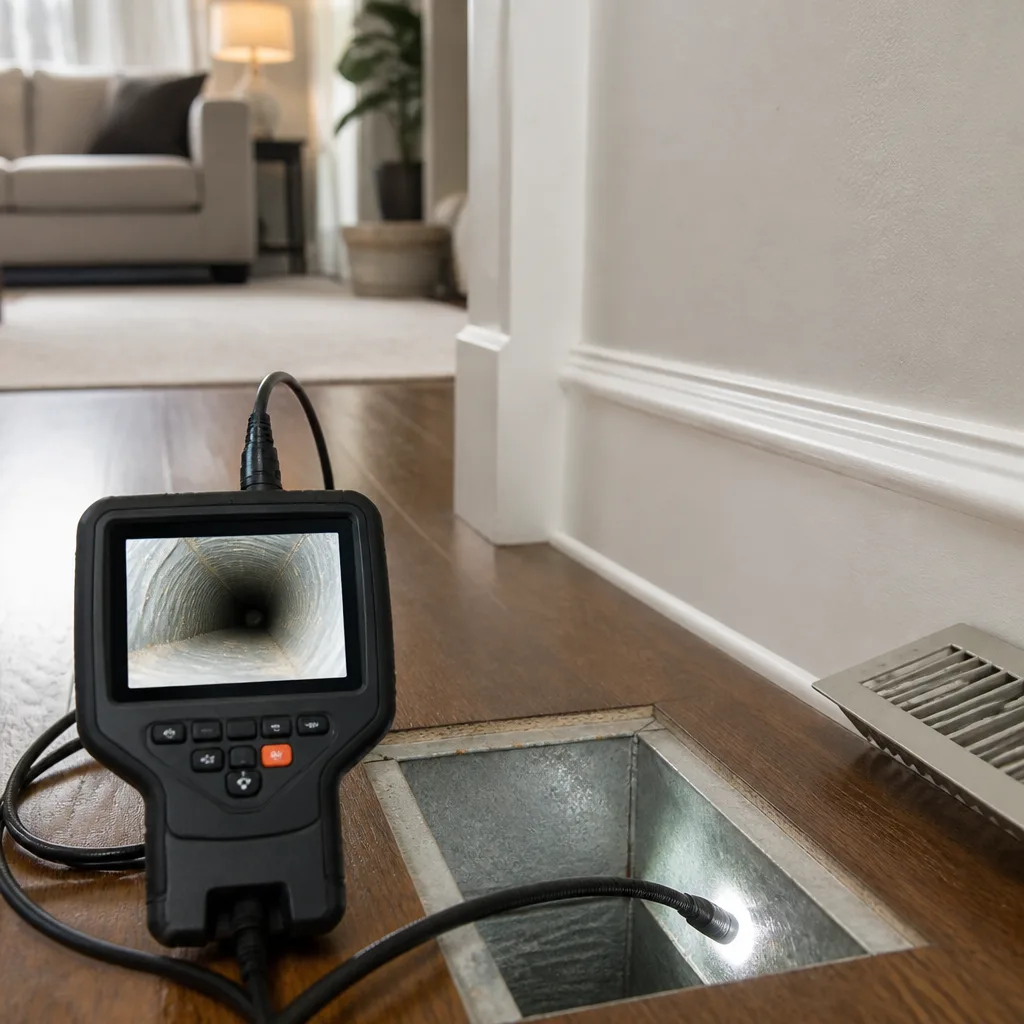 Camera inspection
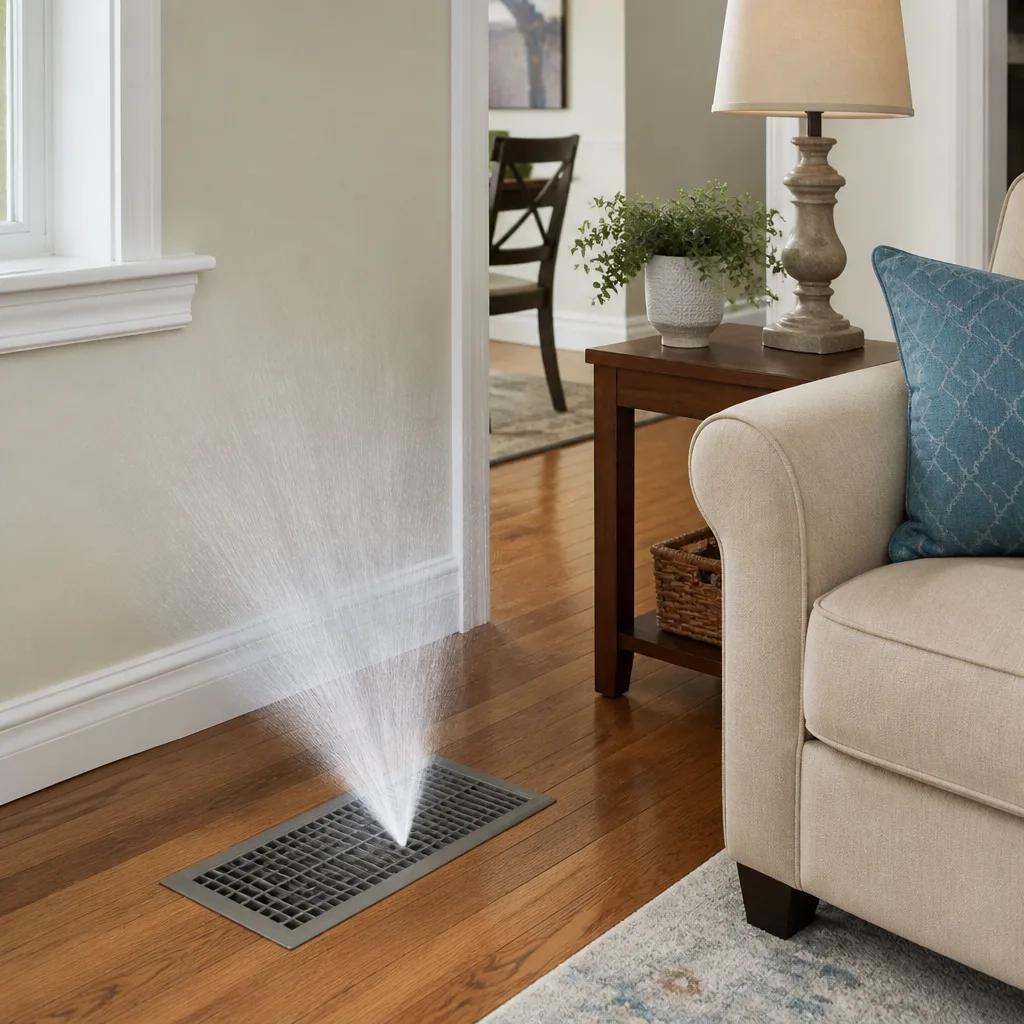 Sanitizing & deodorizing
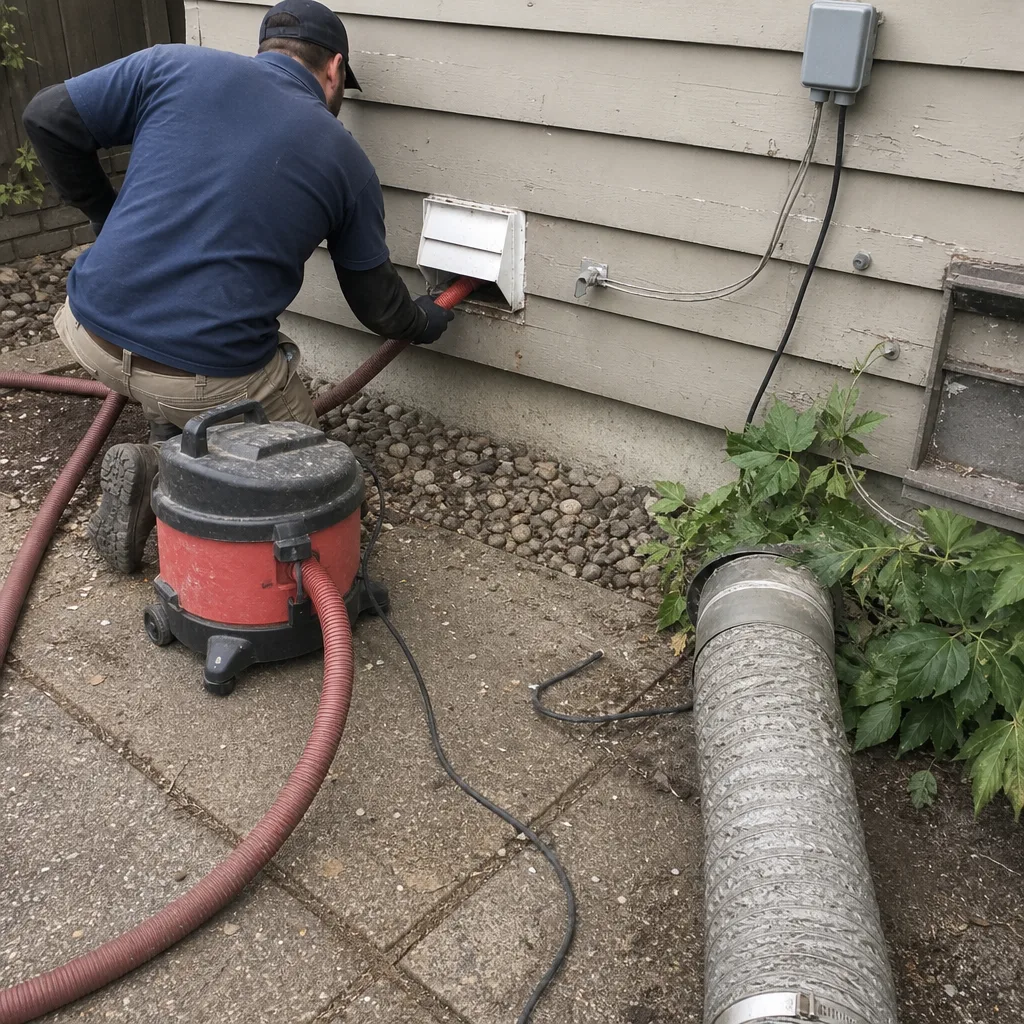
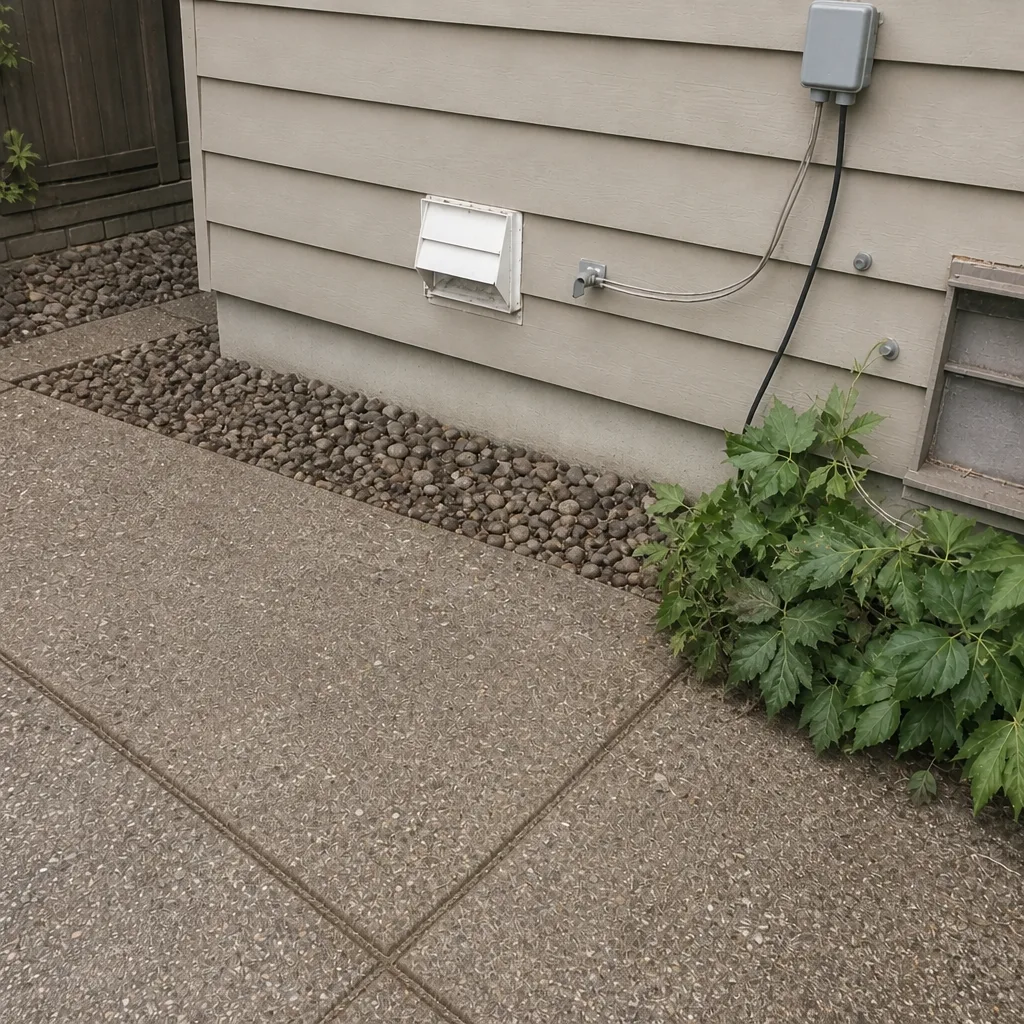
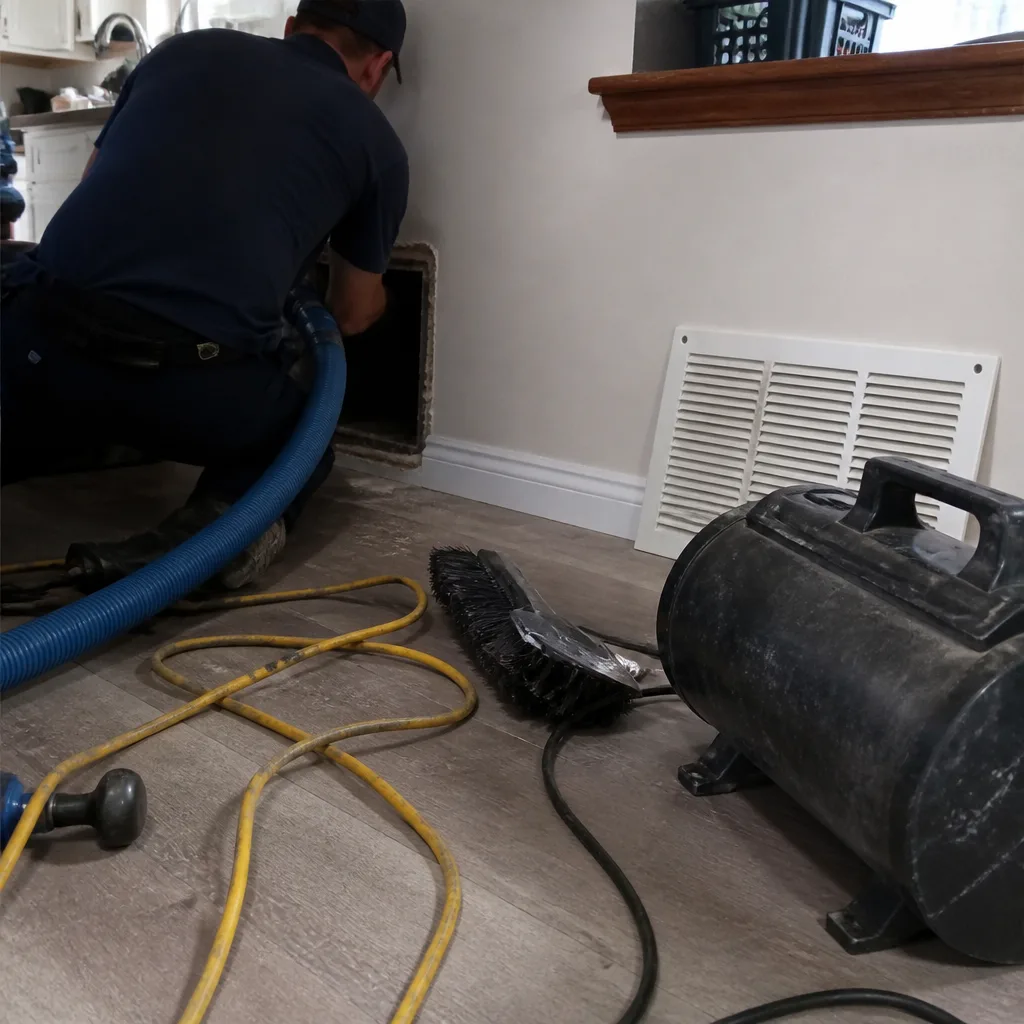
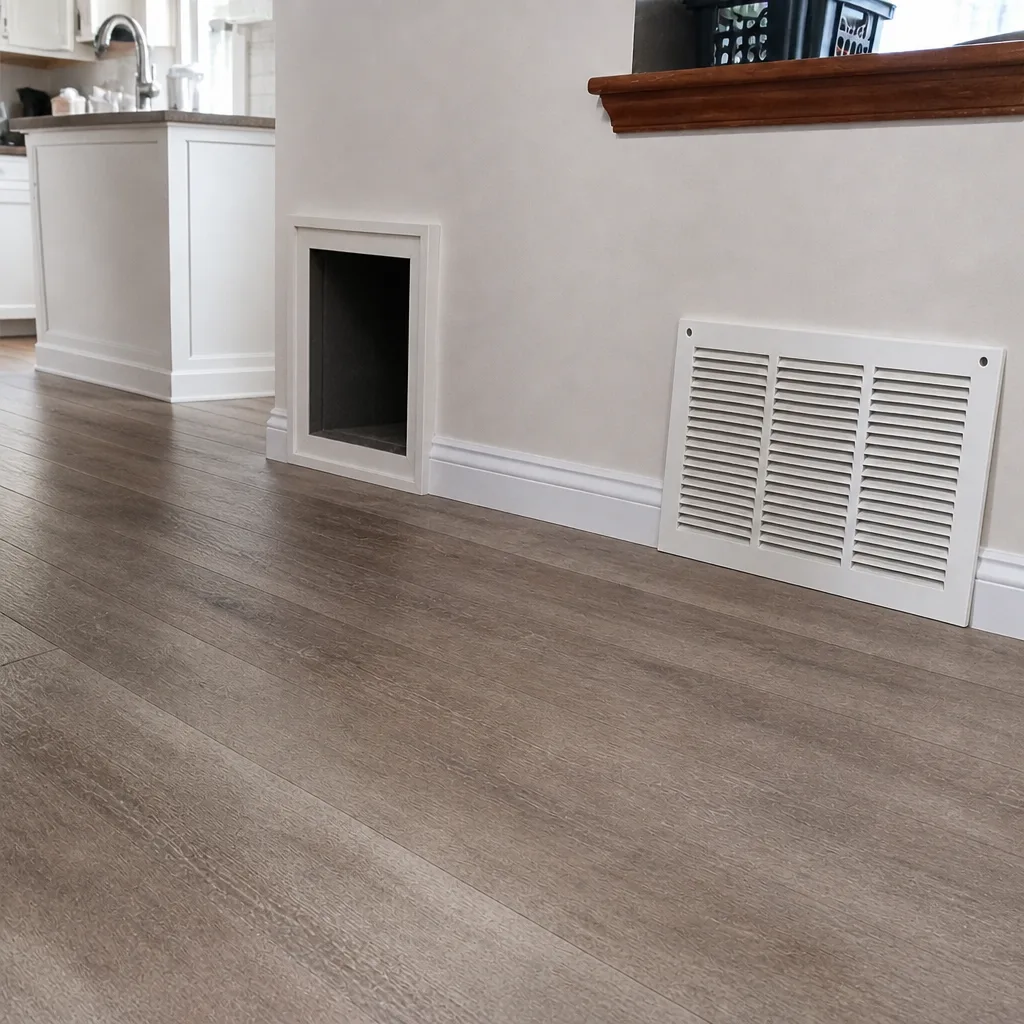
Whole-system duct and dryer vent check with before-and-after photos - you see exactly what came out of your vents
That "$99 whole-house special" is a bait ad - the real number appears once they are in your hallway, or the "clean" is a shop-vac at the register. We photograph the inside of your ducts before and after instead.
The Complete Guide to Air Duct Cleaning in Marysville
Most Marysville homeowners don’t have a dirty-duct problem. They have a removal problem. A technician arrives, hooks a hose to a register, runs a blower for twenty minutes, and leaves. The dust that was stuck to the duct walls is now airborne and settling back down a few feet away. Nothing was captured, and nothing was verified. The EPA has stated that duct cleaning has never been proven to prevent health problems, a finding drawn largely from studies of blower-only methods rather than contact cleaning paired with HEPA containment. The method is what determines the outcome. This guide walks through what a complete cleaning actually involves mechanically, how Marysville’s climate and housing shape what ends up in a duct system, and how to judge any quote by what the technician will physically do.
Styles & brands we work with
- Whole-home duct cleaning
- Dryer vent cleaning
- Camera inspection
- Sanitizing & deodorizing
Quick Answer
Air duct cleaning in Marysville is the physical agitation of debris from every interior duct surface followed by HEPA-rated capture under negative pressure, then a visual verification step before the job is called finished. A complete job includes pre-inspection, containment, contact cleaning of supply and return runs, cleaning of the air handler and blower where accessible, and a post-job check. If a quote describes only “blowing out the lines,” it is not a complete cleaning.
Table of Contents
- Contact Cleaning vs. Blow-and-Go: The Mechanical Difference
- How Marysville’s Climate and Housing Shape Duct Contamination
- What HEPA-Rated Negative Pressure Actually Does
- A Professional Cleaning, Phase by Phase
- The Post-Job Test: If You Can’t See It, Ask For It
- What Air Duct Cleaning Costs in Marysville
- Why Duct Repair and Sealing Belongs in the Same Visit
- Dryer Vent Cleaning and Fire-Risk Reduction
- Common Mistakes to Avoid
- When to Call a Professional
- Frequently Asked Questions
- The Bottom Line
Contact Cleaning vs. Blow-and-Go: The Mechanical Difference
Debris inside a duct system isn’t loose. It clings. Cooking film, pet dander, construction dust and pollen all bond to galvanized steel and flex duct over time, and a moving column of air passes over that layer without lifting most of it. This is the core problem with blower-only cleaning, sometimes called blow-and-go. A high-volume blower pressurizes the system and moves whatever happens to be sitting free, but the adhered layer stays put. Worse, the blower can push loosened material into rooms through supply registers or into the air handler, where it coats the evaporator coil.
Contact cleaning works differently. A rotating brush or air whip is fed through the duct run and physically scrubs the interior surface, breaking the bond between debris and metal. The debris goes into suspension in a sealed, negatively pressurized system and is pulled toward a collection point instead of toward your living room. Two platforms do this work well in residential settings: the Rotobrush contact-brush system, which drives a rotating brush head through supply and return runs, and air-whip tools that use compressed-air jets to scour flexible duct where a brush would be too aggressive.
The difference shows up in what the two methods leave behind.
- Blower-only: agitates surface dust, redistributes some of it within the system, captures little to nothing.
- Contact cleaning without containment: scrubs debris loose but lets it escape into the room air, which is a cross-contamination problem.
- Contact cleaning with HEPA containment: scrubs debris loose, then captures it at the source under negative pressure.
Only the third combination produces verifiable removal. That’s the standard a professional air duct cleaning job should be held to, and it’s the first thing to ask about when you’re comparing quotes in Marysville.
How Marysville’s Climate and Housing Shape Duct Contamination
Duct contamination isn’t uniform across the country, and it isn’t uniform across Snohomish County either. Three local factors push Marysville duct systems toward a specific profile.
Marine humidity and the shoulder seasons
Western Washington’s damp air keeps indoor relative humidity elevated for much of the year, particularly in spring and fall when the furnace and the air conditioner are both running intermittently. Duct systems that sit idle between cycles cool down slightly, and moisture can condense on interior surfaces. That thin film of moisture makes dust adhere more aggressively than it would in a dry climate. It also creates the conditions where biological growth can take hold, especially on the downstream side of the evaporator coil and in the first few feet of supply trunk.
Wildfire smoke seasons
Smoke intrusions have become a recurring summer pattern in the Puget Sound region. When outdoor air quality drops, homeowners close up the house and run the HVAC system harder, which pulls fine particulate matter into the return and deposits it in the filter, the blower compartment and the duct lining. Smoke residue is unusually fine and sticky, and standard filtration captures only a portion of it. Duct systems that went through a heavy smoke season often carry a faint odor that returns whenever the heat kicks on.
Older housing stock
Marysville has a wide range of home ages, from mid-century builds near the downtown core to newer construction in the surrounding neighborhoods. Older homes are more likely to have original galvanized ductwork with taped or mastic-sealed joints that have since failed, and many have been through at least one renovation that left drywall dust and sawdust in the returns. Renovation debris is one of the most common reasons people call us in Marysville. It’s heavy, it settles in the low points of horizontal runs, and no filter downstream of the return is going to catch all of it.
Put those three together and the typical Marysville duct profile is adhered dust with a moisture history, fine smoke particulate, and construction debris in the returns. That combination needs contact agitation and HEPA capture. Air movement by itself won’t touch it.
What HEPA-Rated Negative Pressure Actually Does
Here’s the part most homeowners never hear explained. When you scrub a duct, you’re creating a cloud of fine particulate inside a closed system. If that system is under positive pressure, or under no pressure control at all, the cloud finds its way out through every gap: register boots, failed duct tape, return grilles, the air handler cabinet. You’ve traded a slow accumulation problem for an immediate indoor air quality event.
HEPA-rated negative pressure containment solves that. A HEPA-rated vacuum unit is connected to the duct system at a strategic point, usually the main trunk or the plenum, and it draws the entire system into negative pressure relative to the house. Every cubic foot of air that leaves the ductwork during cleaning passes through a HEPA filter before it reaches the room. Dislodged debris travels toward the vacuum, not toward your furniture.
Nikro HEPA-rated negative-air equipment is the platform we use for this, and the specification matters: HEPA-rated filtration captures particles at the sub-micron level, which is where smoke particulate and mold spores live. A shop-vac with a hose adapter is not the same thing. A shop-vac moves air, but it doesn’t hold a whole duct system under controlled negative pressure, and its filter is typically rated for visible dust, not fine particulate.
For homes with elevated contamination, meaning visible mold growth in the duct or on the coil, heavy allergen loads, or large volumes of post-renovation debris, we bring in Abatement Technologies air-purification equipment. That class of equipment is built for remediation scenarios where the particulate load is high enough that standard containment needs reinforcement. It signals to the homeowner that the job is being treated as a contamination event rather than a routine dust pass. If a contractor’s equipment list stops at “truck-mounted vacuum,” ask what happens to the debris that doesn’t make it into the hose.
A Professional Cleaning, Phase by Phase
A complete job follows a sequence, and the sequence is the proof. Here’s what a legitimate cleaning looks like from the moment a technician walks in.
- Pre-inspection. The technician opens access points, inspects the air handler, checks the blower wheel, looks at the evaporator coil, and photographs the interior of representative supply and return runs. This establishes a baseline so the “after” state can be compared to something.
- System assessment and source identification. The technician looks for the actual source of contamination, not just the contamination. Failed duct joints, a disconnected flex run in the attic, a missing return filter, or a dryer vent exhausting into the same cavity can all be feeding the problem. Cleaning without finding the source means it comes back.
- Containment setup. HEPA-rated negative-air equipment is connected, and access points are sealed. The system goes under negative pressure before any agitation begins.
- Contact cleaning of supply and return runs. Rotobrush contact-brush tools are fed through each run to scrub the interior surface. Flexible duct that can’t take a brush gets air-whip treatment instead. Every register and every return gets worked, not just the ones that are easy to reach.
- Air handler and blower cleaning. The blower wheel, blower compartment, and accessible portions of the evaporator coil are cleaned by hand and with HEPA vacuum tools. This is where a lot of blower-only jobs stop short, and it’s where a large share of the visible contamination actually lives.
- Sanitizing where indicated. If inspection found biological growth, an EPA-registered sanitizer is applied to the affected surfaces. Sanitizing is not a substitute for cleaning; it’s a follow-on step for surfaces that have already been cleaned.
- Duct repair and sealing. Failed joints, disconnected runs, and gaps at register boots are sealed so the cleaned system stays clean. More on this below.
- Post-verification. The technician re-photographs the same access points documented in step one, confirms negative pressure held throughout, and walks the homeowner through before-and-after images before packing up.
Our technicians have up to 10 years of experience, and the phase that gets skipped most often by low-cost operators is step one and step eight. Without a baseline and without a verification, there’s no way for a homeowner to know what changed. If you’re also due for a look at the mechanical side of the system, our HVAC cleaning service covers the air handler and coil in the same visit.
The Post-Job Test: If You Can’t See It, Ask For It
You don’t need to know how to inspect ductwork to verify a cleaning. You need two things: before-and-after photographs of your own system, and a technician willing to show them to you at the end of the job.
Here’s a simple test any Marysville homeowner can run.
- Ask for the baseline photos. A legitimate contractor photographs representative runs during pre-inspection. Those photos should show the inside of the duct, not just the register cover.
- Compare the same locations after. The “after” photos should be shot at the same access points and the same angle. If the after photos show a different part of the system, the comparison means nothing.
- Look at the debris collection. HEPA containment collects what was removed. Ask to see it, or ask for a photo of the collection bin. A blower-only job produces almost nothing in the way of captured material.
- Check the air handler. The blower wheel should look clean. If the blower compartment is still coated in dust, the job wasn’t complete.
- Watch for settling dust. If the interior of the house is noticeably dustier in the 24 hours after a cleaning, containment didn’t hold.
If a contractor can’t produce before-and-after photos of your own ducts, that’s the answer. A complete cleaning leaves evidence, and a professional should be glad to hand it to you. When you request a quote for air duct cleaning in Marysville, ask up front whether before-and-after photos come standard.
What Air Duct Cleaning Costs in Marysville
Air duct cleaning in Marysville typically runs a few hundred dollars for a standard single-family home, with the final number depending on the number of runs, system size, accessibility, and whether the air handler and coil need cleaning. Duct repair and sealing and dryer vent cleaning are quoted separately because they involve different work. The written estimate sets the final price, and we give one flat price per system before any work starts, not a per-vent rate that grows as the job goes on.
The ranges below are typical estimates for the Marysville market, not per-vent pricing and not coupon teasers.
- Standard residential duct cleaning (single-family home): typically a few hundred dollars for cleaning of all supply and return runs, register and boot cleaning, and HEPA containment.
- Air handler and blower cleaning: typically added to the base cleaning when the blower wheel or coil shows contamination.
- Duct repair and sealing: varies with the number of joints, run replacements, and accessibility of the affected runs.
- Dryer vent cleaning: typically a low three-figure job, priced as a standalone service or added to a duct cleaning visit.
- Sanitizing (where inspection indicates it): priced by system size.
Why are some quotes so much cheaper? Because they describe less work. A coupon price that lands far below the local range almost always reflects a blower-only treatment with no containment, no air handler cleaning, and no verification. The invoice the homeowner receives when the technician is on site can be considerably higher than the phone quote, which is the bait-and-switch pattern this industry is known for. One flat price agreed before work starts removes that risk entirely.
If you want an honest whole-system range for your particular home, call (888) 847-8751 for a free estimate. We answer 24/7. Fast dispatch from 7am to 7pm, Sunday through Friday.
Why Duct Repair and Sealing Belongs in the Same Visit
You can clean a duct system perfectly and still have a dirty duct system six months later if the system leaks. Leaks work in two directions. On the supply side, a failed joint pushes conditioned air into the attic, crawl space, or wall cavity, which drops efficiency and draws in whatever is in that cavity. On the return side, a failed joint pulls air from the same cavities into the return stream, which means every cleaning starts with an open door for contamination to come back through.
In older Marysville housing stock, the typical culprits are:
- Original cloth-backed duct tape that has dried and separated at the joints.
- Disconnected or collapsed flex runs in attics and crawl spaces, often after a renovation.
- Gaps between register boots and the finished floor or wall.
- Unsealed seams in the plenum and trunk where sheet metal was assembled.
Sealing those points during the same visit is what makes the cleaning result last. It’s also a legitimate efficiency improvement, since every cubic foot of conditioned air that leaks out of the supply side is a cubic foot you paid to heat and cool. Duct repair and sealing is part of our full scope precisely because a cleaning without it leaves the system open to the same problem again.
Dryer Vent Cleaning and Fire-Risk Reduction
Dryer vent cleaning is a fire-risk reduction service, and it’s worth treating that way. Lint accumulates in the vent run with every cycle, and a clogged vent forces the dryer to run hotter and longer. The U.S. Fire Administration has identified failure to clean as a leading contributing factor in dryer fires. The problem is invisible from the laundry room, which is what makes it easy to ignore.
In Marysville, vent runs in many homes are longer than people assume, routed through wall cavities and up through the attic or out a side wall. Long runs with multiple elbows collect lint faster than short, direct runs do. Signs that the vent is restricted include:
- Clothes take two cycles to dry, or come out hot but still damp.
- The outside vent flap doesn’t open fully when the dryer is running.
- The laundry room feels humid or hot during a cycle.
- The dryer’s exterior cabinet is hot to the touch.
Vent cleaning is a straightforward physical job: the run is brushed end to end, the lint is captured, and airflow is verified at the exterior termination. It’s a natural addition to a duct cleaning visit, and it’s a whole-home safety service in its own right. For more detail, see our page on dryer vent cleaning.
Common Mistakes to Avoid
- Hiring on price alone. The lowest quote almost always describes the least work. Ask what’s physically included in the price: contact cleaning, HEPA containment, air handler cleaning, and post-job verification, or just a blower pass through the registers.
- Assuming a “whole-house special” covers the whole house. A coupon price that promises everything for a fraction of the local range usually excludes the air handler, the coil, and verification. Confirm in writing what the estimate covers.
- Skipping the before-and-after photos. Without photos of your own ducts, there is no way to confirm the work was done. A legitimate contractor will produce them without being asked.
- Cleaning without fixing the leaks first. In older Marysville homes, the duct tape and flex connections often fail before anything else does. Cleaning a leaking system is a temporary result. Duct repair and sealing is what makes clean ducts stay clean.
- Ignoring the dryer vent. The dryer vent is part of the same exhaust system and often the most neglected. A restricted vent is a fire-risk issue, not a convenience issue.
- Sanitizing without cleaning. Spraying sanitizer into a duct that still has adhered debris on the walls does almost nothing. Sanitizing is a follow-on step for a cleaned surface, not a replacement for contact cleaning.
- Not asking about the filter and the return path. A duct cleaning with a missing or wrong-sized return filter is a cleaning that will need repeating soon. Ask the technician to check the filter housing and the return grille during the visit.
When to Call a Professional
Air duct cleaning is worth doing when there’s a specific reason, not on a fixed schedule. Call a professional if you’ve recently completed a renovation and drywall dust or sawdust made it into the returns. Call if you’ve moved into a home with unknown maintenance history and you can see visible buildup at the registers. Call if allergy or asthma symptoms are worse indoors than outdoors, particularly after the heating system kicks on. Call if the system has an odor that returns with each cycle, or if you see visible mold growth anywhere in the air handler or first few feet of supply duct. Call if you’ve had a heavy wildfire smoke season and the indoor air quality hasn’t recovered. And call if the dryer is taking multiple cycles to dry a load, which is a vent restriction signal rather than a duct issue but belongs in the same visit.
Marysville Air Duct Cleaning Co offers free estimates in Marysville – call (888) 847-8751. We answer 24/7. Fast dispatch from 7am to 7pm, Sunday through Friday.
Frequently Asked Questions
Air duct cleaning in Marysville typically runs a few hundred dollars for a standard single-family home, with the final price depending on the number of runs, accessibility, and whether the air handler and coil need cleaning. Duct repair and sealing and dryer vent cleaning are quoted separately. The written estimate sets the final price, and we give one flat price per system before work starts rather than a per-vent rate. Call (888) 847-8751 for an exact quote – estimates are free.
Because they describe less work: typically a blower-only pass with no HEPA containment, no air handler cleaning, and no verification photos. A coupon price that lands far below the local range is almost always a teaser, and the invoice that arrives on site can be considerably higher. Ask any contractor exactly what equipment will be used, whether the air handler is included, and whether before-and-after photos come standard. Call (888) 847-8751 for a whole-system estimate that tells you what’s included up front.
You ask for before-and-after photographs of your own ducts, shot at the same access points and the same angle, plus the debris that was captured in the containment unit. A complete cleaning leaves physical evidence, and a professional will hand it over at the end of the job. If a contractor can’t produce photos of your system, the work is not verifiable. Call (888) 847-8751 to book a cleaning with documented before-and-after images.
Most homes don’t need it on a fixed schedule. Cleaning is worth doing when there’s a specific reason: after a renovation, after moving into a home with unknown maintenance history, when visible buildup appears at the registers, when the system develops an odor, or when allergy symptoms worsen indoors. Homes in Marysville with pets, heavy smoke-season exposure, or recent construction tend to need it sooner than homes without those factors. Call (888) 847-8751 to talk through whether your system is due.
It changes the profile of what accumulates rather than making cleaning more frequent on a calendar. Western Washington’s marine humidity helps dust adhere to duct surfaces and creates the moisture conditions where biological growth can take hold near the coil. Wildfire smoke seasons deposit fine, sticky particulate. Older Marysville housing stock adds failure points at duct joints and a history of renovation debris in the returns. Contact cleaning with HEPA containment addresses all three. Call (888) 847-8751 for an inspection-based estimate.
No, and it shouldn’t be treated as a default add-on. Sanitizing is applied only when inspection finds biological growth on a surface that has already been cleaned. Spraying sanitizer into a duct that still has adhered debris on the walls does very little. The equipment matters too: our sanitizing step follows contact cleaning and HEPA capture, not the other way around. Call (888) 847-8751 to schedule an inspection and find out whether sanitizing is indicated for your system.
The Bottom Line
The outcome of an air duct cleaning is determined almost entirely by the method. Contact cleaning scrubs adhered debris from the duct walls; HEPA-rated negative pressure captures it before it reaches the room; verification photos prove the change; and duct repair and sealing keeps the result from leaking away. Marysville’s marine humidity, wildfire smoke seasons, and older housing stock give local duct systems a contamination profile that air movement alone won’t fix. When you’re comparing quotes, judge them by what the technician will physically do and what evidence you’ll receive afterward. If you can’t see it or verify it, ask for it.
For a free estimate on air duct cleaning in Marysville, call Marysville Air Duct Cleaning Co at (888) 847-8751. We answer 24/7. Fast dispatch from 7am to 7pm, Sunday through Friday. Every job is quoted as one flat price per system before work starts, backed by before-and-after photos of your own ducts. Explore our Marysville Air Duct Cleaning Co home page for the full service menu, or read more about dryer vent cleaning and HVAC cleaning as companion services.
Written by the team at Marysville Air Duct Cleaning Co.
See the difference
 Before
 After
 Before
 After
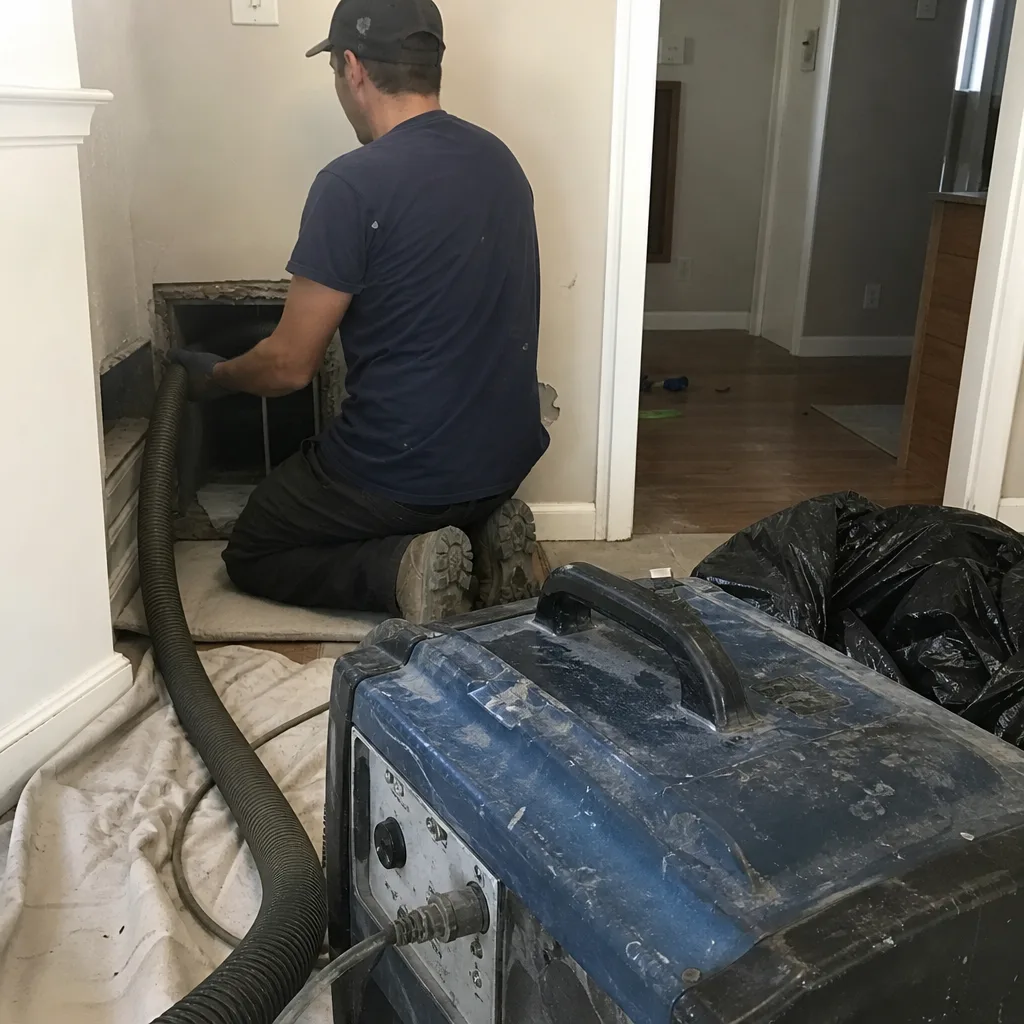 Before
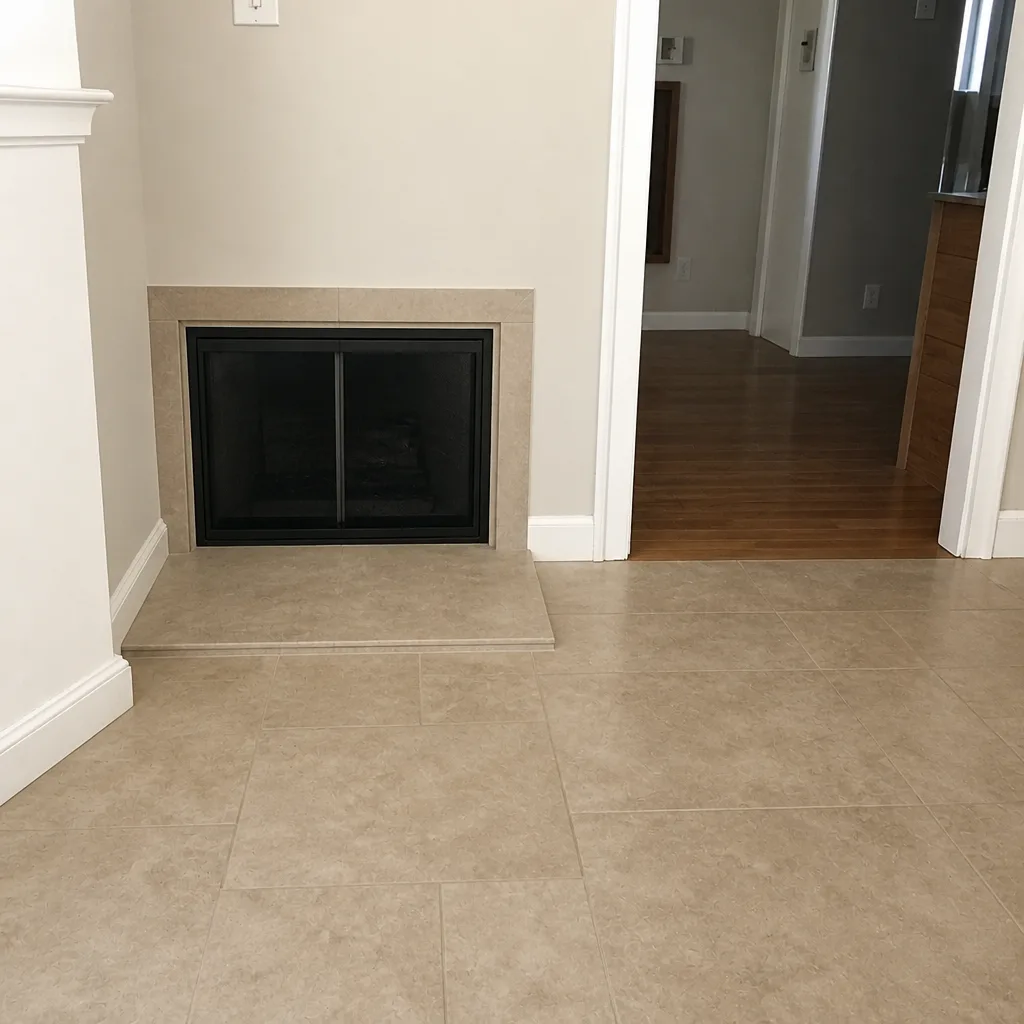 After