
Last updated November 25, 2026
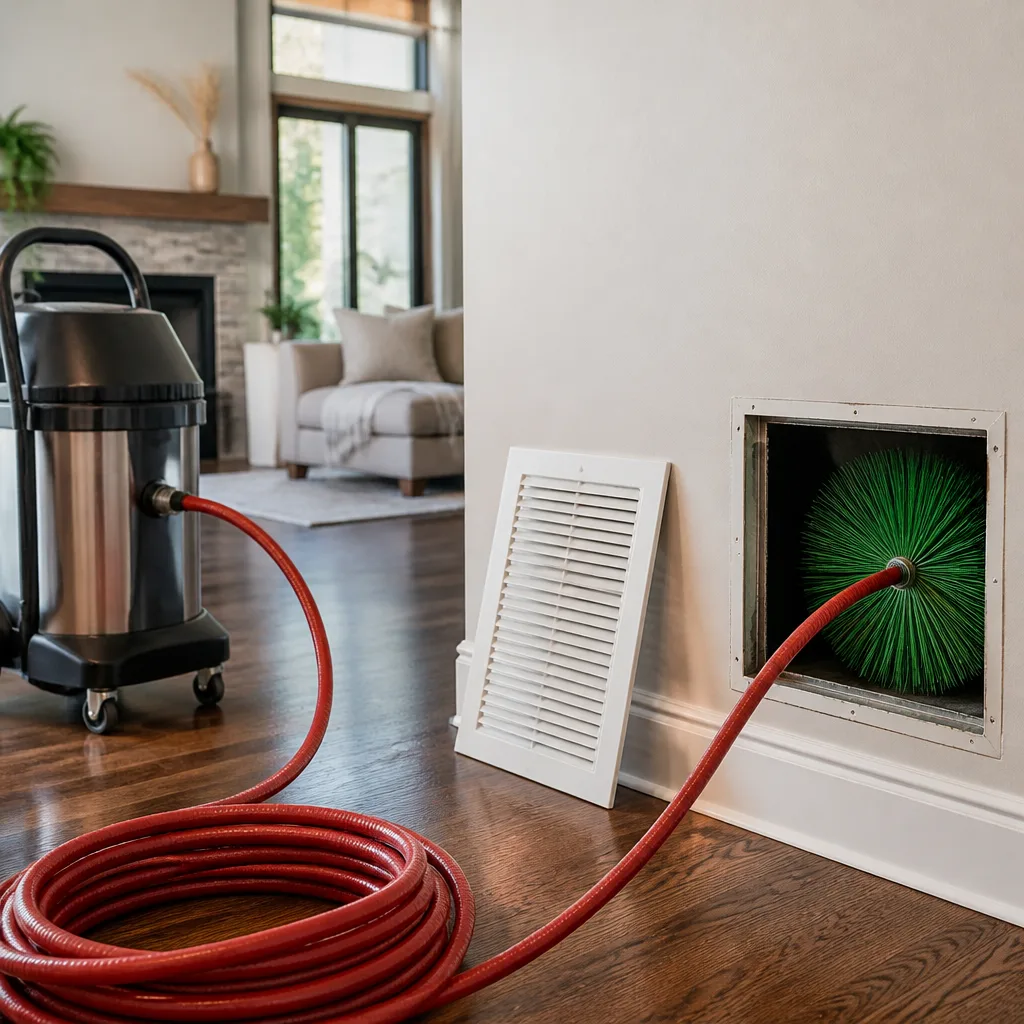 Whole-home duct cleaning
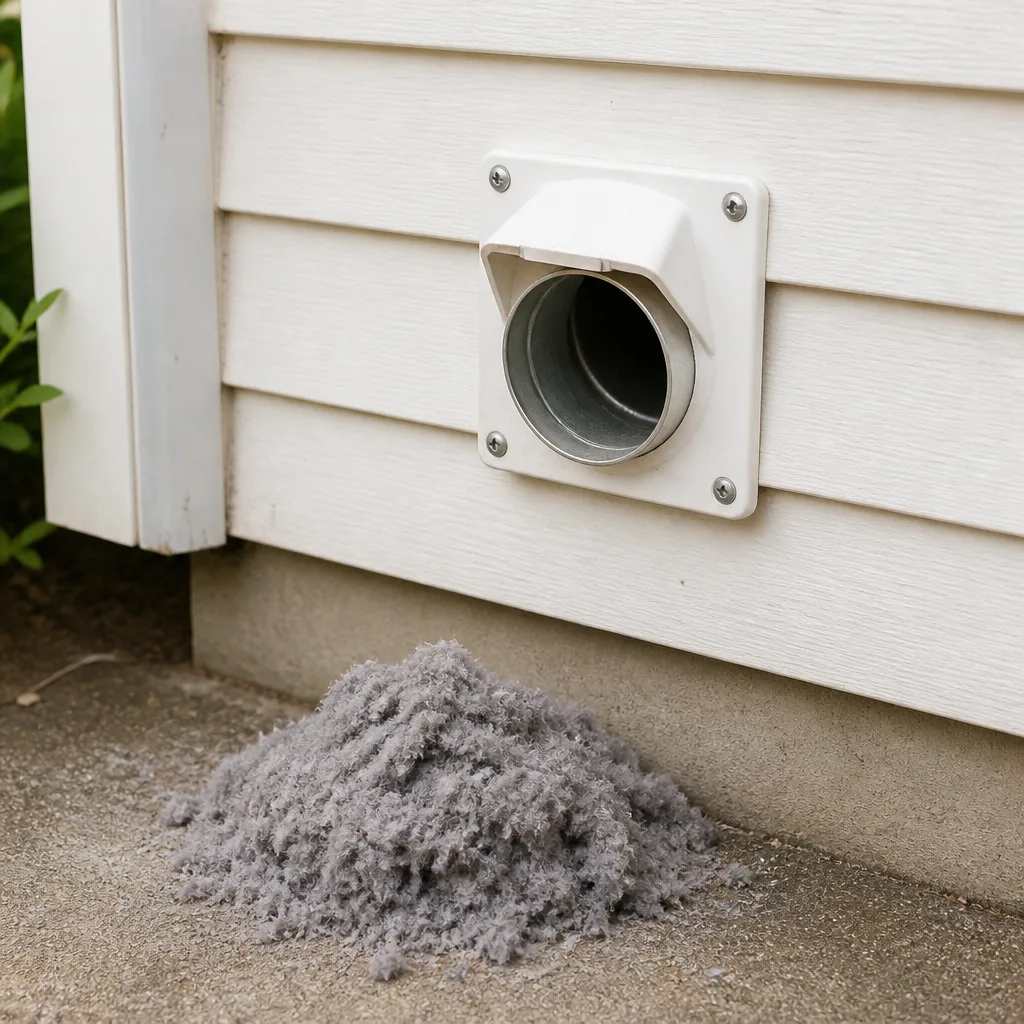 Dryer vent cleaning
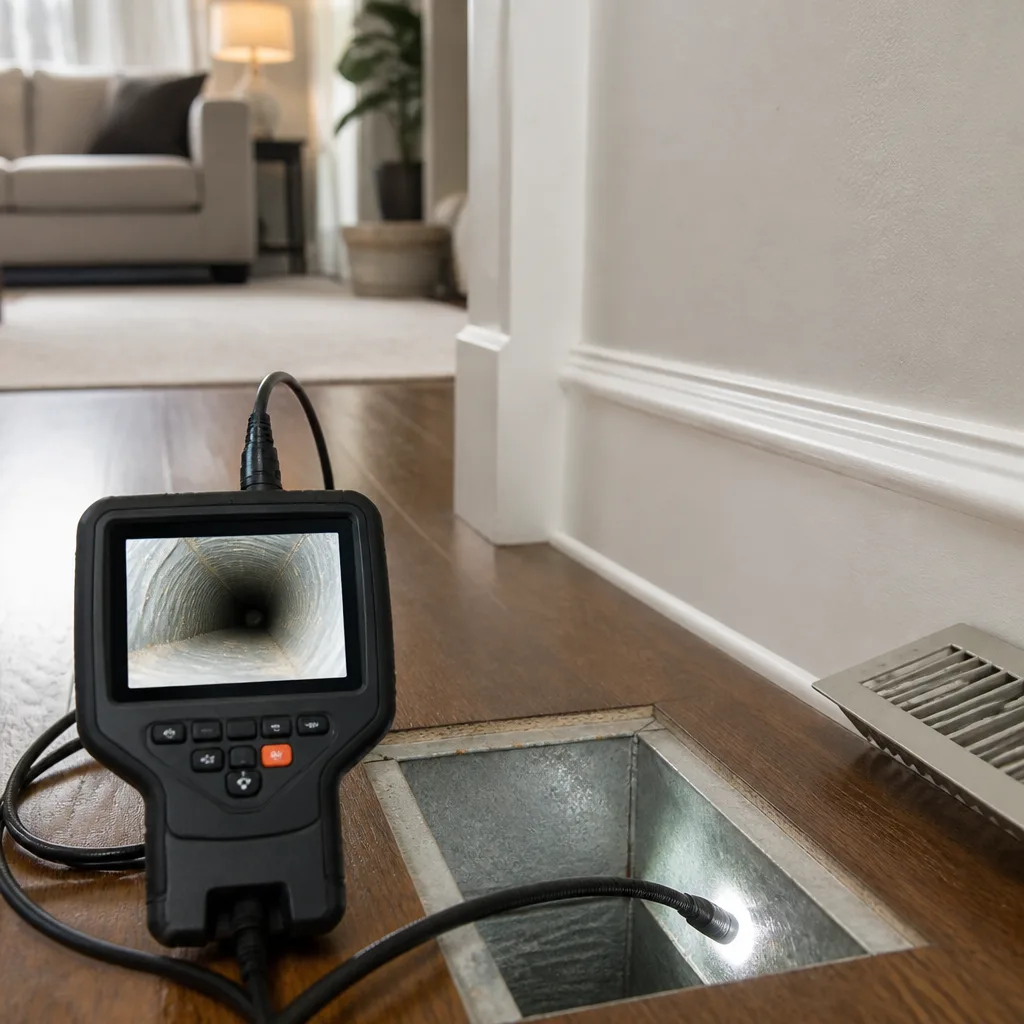 Camera inspection
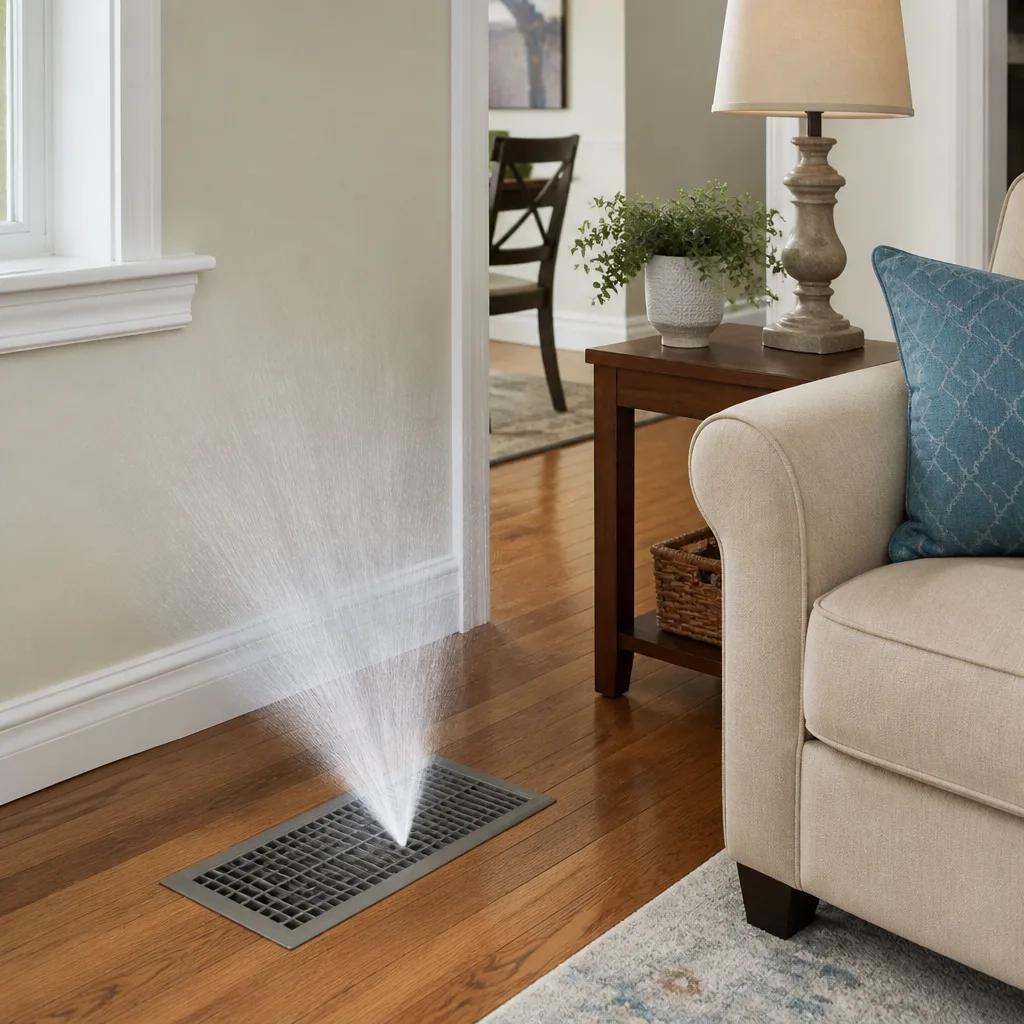 Sanitizing & deodorizing
Whole-system duct and dryer vent check with before-and-after photos - you see exactly what came out of your vents
That "$99 whole-house special" is a bait ad - the real number appears once they are in your hallway, or the "clean" is a shop-vac at the register. We photograph the inside of your ducts before and after instead.
Air Duct Cleaning Warning Signs: A Marysville Homeowner’s Reference Guide
That musty smell when the heat kicks on is not an HVAC problem. It is a duct problem, and it has been building since at least the last heating season. By the time your nose picks it up, particulate has already been moving through every register in the house for months. That gap between when contamination starts and when you notice it is the whole reason this guide exists: most duct warning signs get filed under “furnace issues” and ignored until they get expensive. What follows separates contamination symptoms from performance symptoms, explains what each one actually means for the ducts themselves, and gives you a decision tree for whether you need cleaning, an inspection, or an HVAC tech. We’ve spent enough time under Marysville homes to know the difference matters.
Quick Answer
The clearest air duct cleaning warning signs are odor when the system runs, visible dust or debris collecting at supply registers, allergy symptoms that get worse indoors and ease outdoors, and a recent renovation or moisture event that sent particles into the return. Weak airflow and uneven room temperatures usually point to duct leakage or HVAC equipment instead, which is a different repair. If you live in Marysville and any two of those contamination signs show up together, it’s time to book an inspection rather than another filter change.
Styles & brands we work with
- Whole-home duct cleaning
- Dryer vent cleaning
- Camera inspection
- Sanitizing & deodorizing
Table of Contents
- Two Kinds of Symptoms, Two Different Fixes
- What the Smell When the Heat Comes On Actually Tells You
- Visible Debris at Registers and What It Says About Upstream Ducts
- Worsening Allergy Symptoms as an Air Quality Signal
- The Post-Renovation Warning Sign Most Homeowners Miss
- Moisture Events: What Occupants Feel Before Mold Is Confirmed
- The Decision Tree: Cleaning, Inspection, or HVAC Tech?
- What a Legitimate Cleaning Actually Involves
Two Kinds of Symptoms, Two Different Fixes
The single most useful thing you can learn about duct problems is that they announce themselves in two distinct categories, and the categories don’t lead to the same response. Performance symptoms are about airflow and temperature: a room that never gets warm, a weak register, a fan that sounds strained. Contamination symptoms are about what’s in the air: odor, visible debris, coughing, dust settling faster than it should. Both can trace back to the duct system, but one is a mechanical and pressure problem and the other is a cleanliness problem.
Here’s the split in practical terms:
- Performance symptoms: weak airflow at distant registers, rooms that stay cold on the north side of the house, whistling at returns, a system that short-cycles. These usually mean leakage, disconnected runs, crushed flex duct, or a fan and coil that need service.
- Contamination symptoms: musty or dusty odor when the blower runs, dark streaks around register grilles, dust settling on furniture within a day or two of cleaning, family members who cough more indoors than out. These usually mean accumulated debris, microbial growth, or a debris source upstream.
Why does the distinction matter in Marysville specifically? Because the region’s damp, cool stretch from late fall into early spring keeps relative humidity high for months at a time, and duct systems that stay cool and slightly moist hold onto dust longer than they would in a dry climate. That favors contamination problems over mechanical ones. When you call about a symptom, be honest with yourself about which box it belongs in. A duct cleaning crew cannot repair a crushed flex run, and an HVAC tech is not set up to extract years of accumulated particulate. Getting this wrong wastes a visit either way.
What the Smell When the Heat Comes On Actually Tells You
When the furnace fires up for the season and the house smells musty, dusty, or faintly like a wet basement, the first heat cycle is blowing across a duct lining, a filter, or a coil that has been sitting with moisture and dust on it since spring. The smell is a chemical signature, not a guess. Odor means volatile compounds from dust, microbial growth, or both are being carried into each room. A healthy duct system has almost no odor when it runs.
Some smells are normal and short-lived. The burned-dust smell on the first couple of heat cycles in October is usually dust settling on the heat exchanger during the off-season, and it fades within hours. That one clears itself. The ones that don’t clear are the ones worth writing down.
- Recurring musty smell: typically microbial growth on the evaporator coil, in the duct lining, or in a wet section of flex duct. Points to a moisture source that needs finding as much as a cleaning.
- Dusty, stale smell that returns each fall: accumulated dry particulate in the return trunk and the supply runs, redistributed every time the blower starts.
- Sharp or chemical odor: rare, and often electrical or a refrigerant issue. Stop running the system and get an HVAC tech out before calling anyone about cleaning.
- Pervasive damp smell even with the system off: a moisture problem in the ducts or the mechanical room itself. This one often reads as a plumbing or vapor issue rather than a duct one.
By the time a musty smell is unmistakable, the material causing it has been in contact with moving air for at least one full season. That’s not a reason to panic. It’s a reason to stop treating the symptom as a nuisance and start treating it as data.
Visible Debris at Registers and What It Says About Upstream Ducts
Debris collecting at the face of a supply register is a downstream readout of an upstream problem. Air moving through a duct can only hold so much particulate before it loses carrying capacity. Where duct velocity drops, near the register boot and the diffuser, debris falls out of the airstream and builds up. So when you see a fuzzy gray coating on the grille or dust lifting off it when the system runs, you’re watching the tail end of a long line of debris settled deeper in the supply trunk and the return.
Static pressure is the mechanism. Every piece of settled debris reduces the effective cross-section of the duct, and every reduction raises static pressure on the fan. Higher static pressure means less delivered airflow at the far ends of the system. That’s why a homeowner often notices “weak airflow to the back bedroom” and “dust on the register” as separate complaints when they are the same story seen from two angles. The register debris is what’s spilling out. The weak airflow is what’s left behind.
What to look for at each register in a Marysville home:
- Dark shadowing around the perimeter of the grille: air leaking around a poorly sealed boot carries dust with it; the streaks are the evidence.
- Fuzzy or fibrous buildup on the diffuser fins: lint and skin cells that reach a register without being carried through are rare; this usually means soft buildup on the duct interior too.
- Puff of dust when the blower first starts: debris sitting on top of the register that gets picked up again each cycle. Repeated filter changes don’t fix this.
- Visible debris inside the register boot: shine a light up into the boot with the system off; if the duct interior looks coated or textured rather than smooth metal, there’s material settled there.
When you can see debris at even two or three registers, the supply trunk almost always has more than what’s visible. That’s the point at which a proper inspection is worth the call. Our air duct cleaning crew uses a Rotobrush contact-brush system to agitate the interior of the duct physically, and Nikro HEPA-rated negative-air equipment to capture the dislodged material at the source rather than blowing it into the room. The distinction matters because a blower-only approach can stir debris into the airstream without ever removing it.
Worsening Allergy Symptoms as an Air Quality Signal
An indoor allergy pattern that gets worse over months and improves when the person leaves the house is worth taking seriously as a duct signal, not just a seasonal annoyance. Pollen season in the Pacific Northwest has clear peaks, and a person with allergies will notice those peaks. What points at the ducts instead is a pattern that doesn’t track the pollen calendar at all: symptoms that stay high through the wet winter when outdoor pollen is low, or that spike on the first cold mornings when the furnace runs more.
Watch for these patterns rather than a single bad week:
- Morning symptoms: congestion, sneezing, or a scratchy throat that’s worse in the first hour after waking, when the system has been cycling overnight in a closed house.
- System-linked symptoms: symptom severity that climbs within an hour of the heat or AC coming on and eases when the system is off.
- Room-specific symptoms: one bedroom consistently triggers symptoms while the rest of the house doesn’t. That usually points at a single duct run or a leaky boot feeding that room.
- Houseguests noticing it too: visitors mentioning they “smell dust” or that they get sniffly staying over. Fresh noses are good detectors.
We’re careful here to say what we can support: contaminated ductwork is a plausible contributor to indoor air quality complaints, and cleaning is one part of addressing it, alongside filtration, humidity control, and source removal. A duct cleaning alone isn’t a medical fix, and we don’t position it as one. What we can do is look at the system, tell you honestly whether the ducts are dirty, and show you before-and-after photos of your own ducts so you can judge the improvement yourself. For Marysville homes that rely on the same duct system all year, that visual record is the most useful evidence a homeowner gets.
The Post-Renovation Warning Sign Most Homeowners Miss
Drywall dust is the quiet one. Renovation projects generate enormous quantities of fine gypsum and silica particulate, and construction crews often run the HVAC system to keep the work area comfortable during the project. Every one of those days, the return pulls fine dust into the duct system where it settles in corners, in flex duct corrugations, and along the bottom of long horizontal runs. At the registers, you may see almost nothing. The dust stays in place until the system cycles enough to lift it, which is often months later.
That’s why post-renovation is the warning-sign category that routinely gets missed. There’s no smell, no visible register buildup, no immediate complaint. The homeowner finishes the punch list, cleans the house, and then wonders six months later why the dusting never stops and why the family seems to be coughing more. The upstream duct system is still holding the drywall dust.
Signals to watch for after any renovation:
- Continued fine dust settling: dusting a room and finding a new film within days, long after construction is finished and the final clean.
- Grinding or laboring blower sound: the fan working harder against a duct system with reduced internal clearance.
- Renovation without register protection: if the contractor didn’t tape off the registers or install temporary filters, plan an inspection as part of finishing the job.
- New flooring, drywall, or cabinet install: each of these generates fine particulate that survives a standard shop-vac cleanup.
- A duct cleaning done before the renovation, not after: the pre-renovation clean is gone the moment the first sheet of drywall gets cut.
For a post-renovation scenario, a HEPA-rated containment setup isn’t optional; it’s the whole point. Nikro negative-air equipment pulls a slight vacuum on the duct system so that when the Rotobrush agitates the settled dust, the material goes into the HEPA filter rather than the living room. Our Abatement Technologies air-purification equipment is what we reach for when the load is heavier than routine dust: heavy allergen loads, mold spores, or the fine debris that follows a renovation. It’s the same category of equipment used in commercial and remediation work, sized for a house.
Moisture Events: What Occupants Feel Before Mold Is Confirmed
A moisture event inside ducts, whether from a roof leak, a plumbing overflow, high humidity in a crawl space, or a condensate drain that backed up, shows up in the body before it shows up in a photo. The occupants of the house often report a set of symptoms that don’t quite add up to anything until someone starts opening ducts. The timeline usually runs in this order:
- A musty smell that comes and goes for a few weeks, often worse when the system starts in the morning.
- Headaches or sinus pressure that seem worse at home and improve after a day away.
- A visible ring or stain at a ceiling register or in a mechanical closet, often small and written off as condensation.
- Family members with asthma or mold sensitivity having more bad days than usual, particularly during the cool wet months that dominate the Marysville calendar from October through April.
- An HVAC tech confirming a wet coil or a damp duct section during a routine service call, without anyone ever having suspected a moisture source.
What you can’t tell from symptoms alone is whether the growth is active. What you can tell is that the pattern is different from the dust-only pattern. Dust alone usually produces a dusty smell and visible register buildup. Moisture adds an odor that reads as damp and a symptom profile that gets worse in the wetter months and eases in dry stretches. When that pattern is present, the right first step is an inspection. A cleaning crew should not simply clean a wet duct system without addressing the moisture source, because the contamination returns.
This is where pre-installation duct repair and sealing matter. Leaky boots, disconnected flex runs, and unsealed seams let in attic moisture, crawl space air, and outdoor humidity, all of which keep ducts damp. Finding and sealing those leaks is as important as the cleaning itself, and it’s why we offer HVAC cleaning and duct sealing as part of the same scope. Clean ducts that stay clean are the goal, not clean ducts that get re-contaminated through the same leak within a season.
The Decision Tree: Cleaning, Inspection, or HVAC Tech?
Most homeowners call with a symptom, not a diagnosis. This decision tree helps route the call to the right trade. Use it room by room, and if the answers conflict, default to inspection.
- Does the smell or debris appear only when the system runs? If yes, the ducts or the coil are the source. Inspection first, then cleaning as needed.
- Is airflow weak at one or two registers while the rest are fine? That’s a duct run problem: damaged flex, disconnected fitting, crushed section. Call an HVAC tech or a duct repair crew, not a cleaner.
- Are all registers weak and cold rooms persist across the whole house? Likely a supply fan, filter restriction, or coil issue. HVAC tech first.
- Is there visible debris or fuzzy buildup inside multiple registers? Cleaning, likely with a duct repair inspection to check for leaks afterward.
- Was there a renovation or a moisture event in the last two years? Inspection, and clean if the ducts are confirmed contaminated.
- Are symptoms clearer indoors than outdoors and tied to system run time? Inspection, with attention to the return trunk and coil.
- Is there a visible water stain, damp smell that persists with the system off, or a mold smell? Stop running the system and get an HVAC tech or a water-damage inspection out before any cleaning.
Run through the list honestly. If three or four answers point to ducts, you need a cleaning crew. If most point to equipment, you need an HVAC tech. If they’re mixed, book an inspection and let the technician tell you what’s in the system. We don’t turn an inspection into work that isn’t needed, and we’ll tell you to call an HVAC first when the symptoms say that.
What a Legitimate Cleaning Actually Involves
Here’s the part of the guide that most homeowners wish they’d read before the technician arrives. Duct cleaning done correctly is a mechanical process with visible checkpoints. You should be able to see what the crew is using, what it does, and what came out of your ducts. A blower-only approach, where a large fan is connected to the system and air is pushed through without disturbing the settled material, doesn’t remove what’s attached to the duct wall. The material needs physical agitation.
What a full-scope cleaning should walk through:
- Source capture before agitation. A HEPA-rated negative-air setup, like the Nikro equipment we use, pulls the duct system under controlled vacuum.
- Contact brush or whip on the interior. The Rotobrush system physically scores the interior of the duct, lifting lodged debris into the airstream.
- Return trunk and supply runs. Both sides get cleaned, not just the visible registers.
- Coil and blower compartment. Cleaning around the equipment matters as much as the runs; a dirty coil can reintroduce odor within a season.
- Optional sanitizing. Applied after cleaning, not as a substitute for it. Sanitizing can’t do much on a surface that’s still coated.
- Leak check and sealing. Cracks, disconnected boots, and unsealed seams get flagged and repaired so the clean result lasts.
- Before-and-after photos. You should get photos of your own ducts, not stock images. This is the single easiest way to verify the work.
Dryer vent cleaning belongs in the same conversation. Lint accumulation in the vent line is a fire-risk reduction issue, not just a maintenance task, and it deserves the same source-capture approach as the duct system. If you’re booking a whole-home air quality visit in Marysville, ask for the dryer line to be looked at in the same appointment. See our dryer vent cleaning page for what that visit involves. Filtration and humidity pieces round out the picture: we install Honeywell and Aprilaire whole-home products, so a visit can leave the house with a filter and humidity setup that matches the cleaned system rather than fighting it. If you’ve made it this far, you probably don’t need to read thirty more pages. Start with Marysville Air Duct Cleaning Co or give us a call.
Common Mistakes to Avoid
- Treating every symptom as a duct problem. Weak airflow to one room is often a crushed flex run or a disconnected boot, and cleaning alone won’t fix it. Call an HVAC tech first when the symptom is performance-only.
- Treating every symptom as an HVAC problem. A musty smell that comes and goes with system run time usually means ducts, not equipment. Replacing the furnace doesn’t fix contamination in the runs.
- Judging the job by price alone. A low per-vent quote is often a blower-only pass with no containment, which can make register visibility temporarily better without removing what’s attached to the duct wall. Ask what equipment is used before you book.
- Skipping the post-renovation clean. Drywall dust doesn’t show up at registers the way homeowner assumes. If you renovated inside the last two years without protecting the ducts, budget an inspection.
- Cleaning a wet system without finding the moisture source. A clean duct system that’s still leaking crawl-space air or roof moisture re-contaminates fast. Repair and sealing have to be part of the plan.
- Changing filters instead of investigating the pattern. Filters help, but they can’t remove what’s already settled. If filters clog faster than usual, something upstream is shedding.
- Calling the first listing without asking about equipment. Ask specifically whether the crew uses contact agitation and HEPA-rated containment. If the answer is vague, keep calling. We’re happy to answer that question even if you book elsewhere.
See the difference
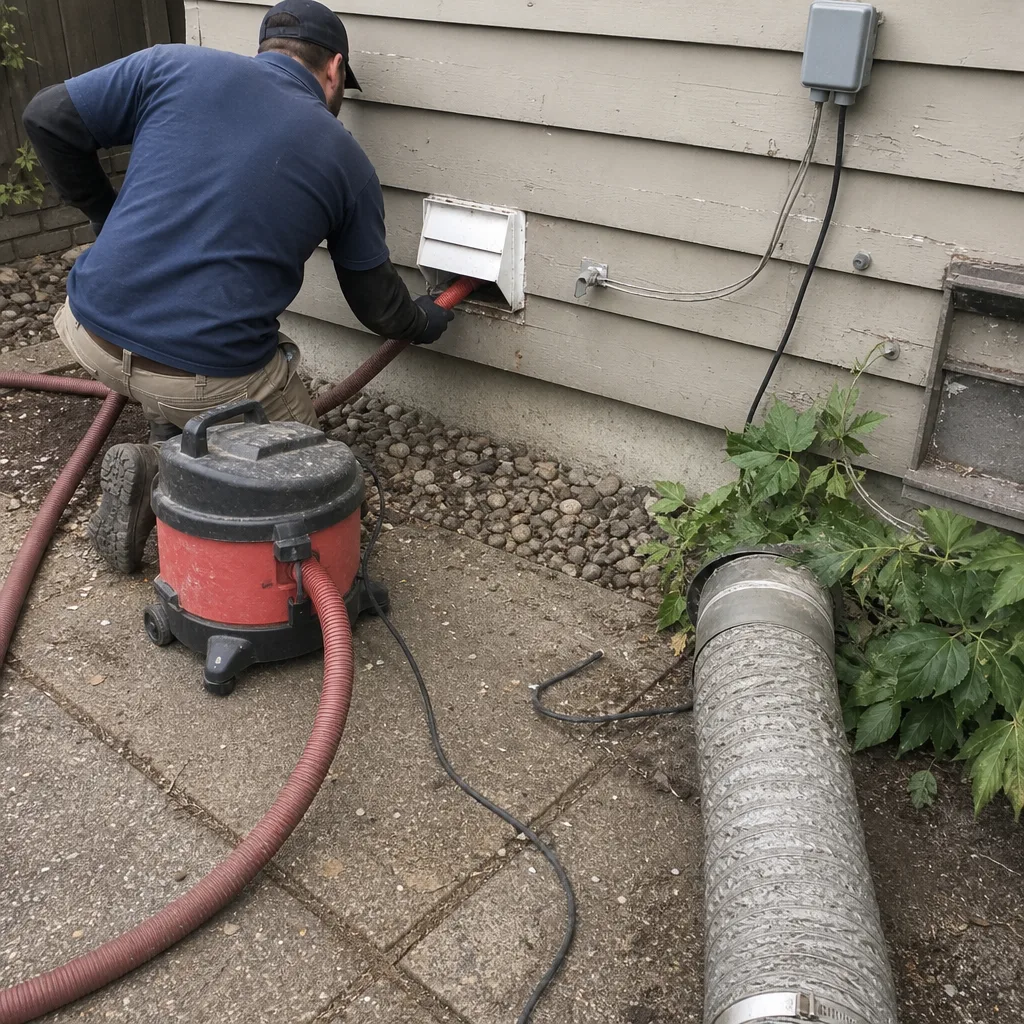 Before
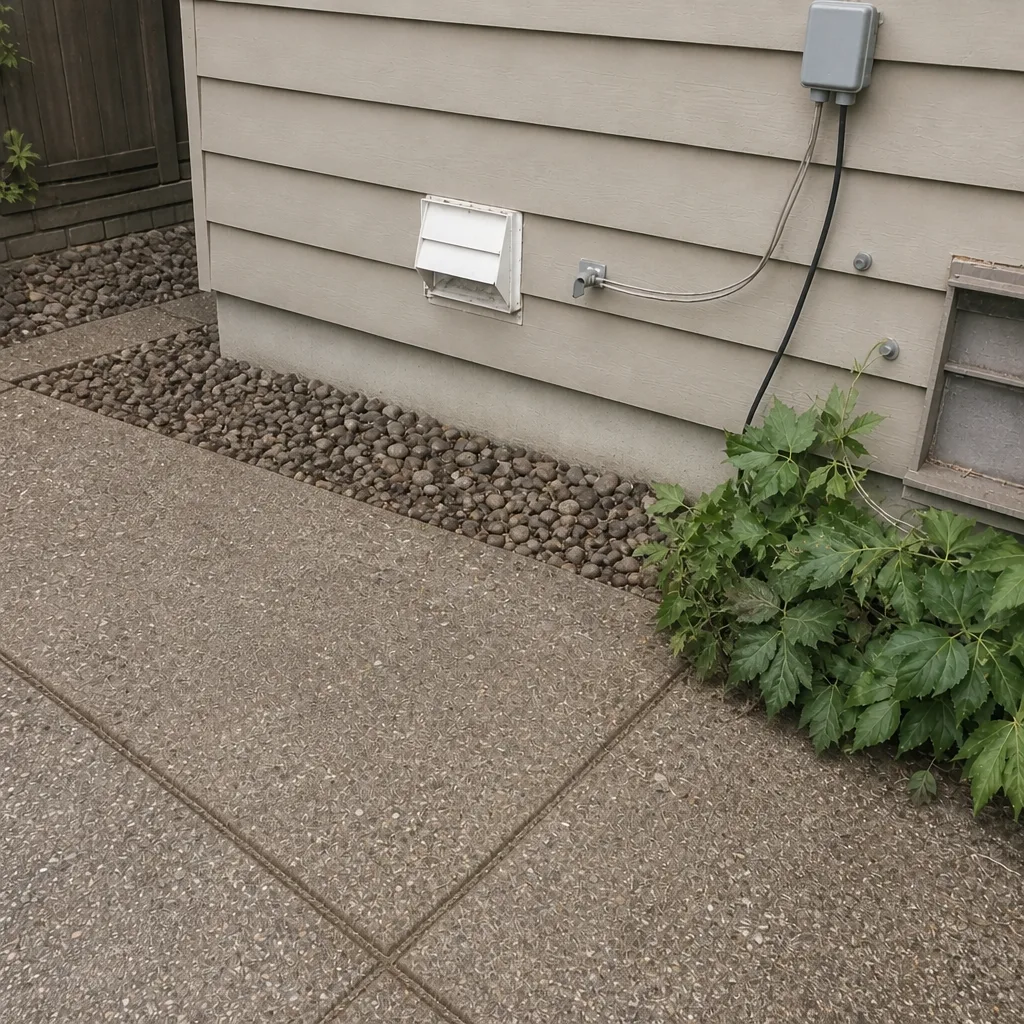 After
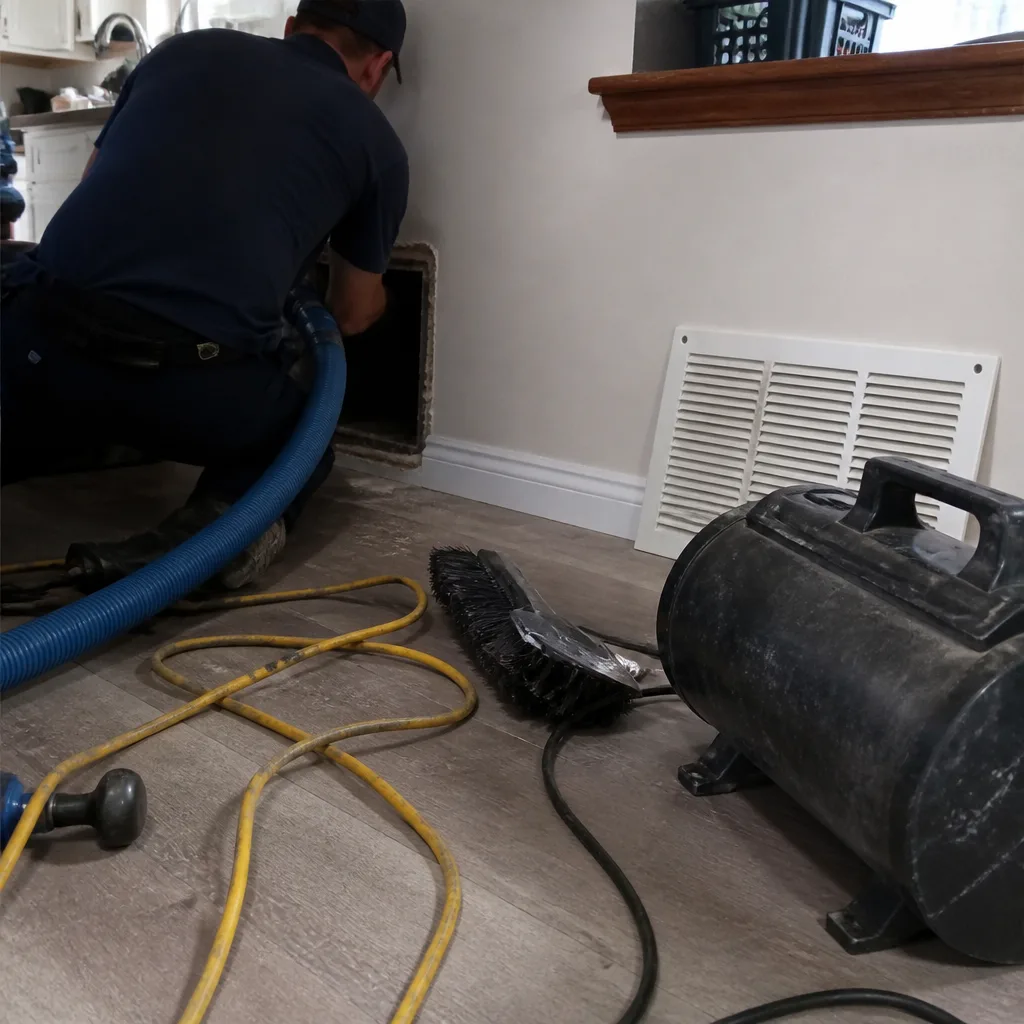 Before
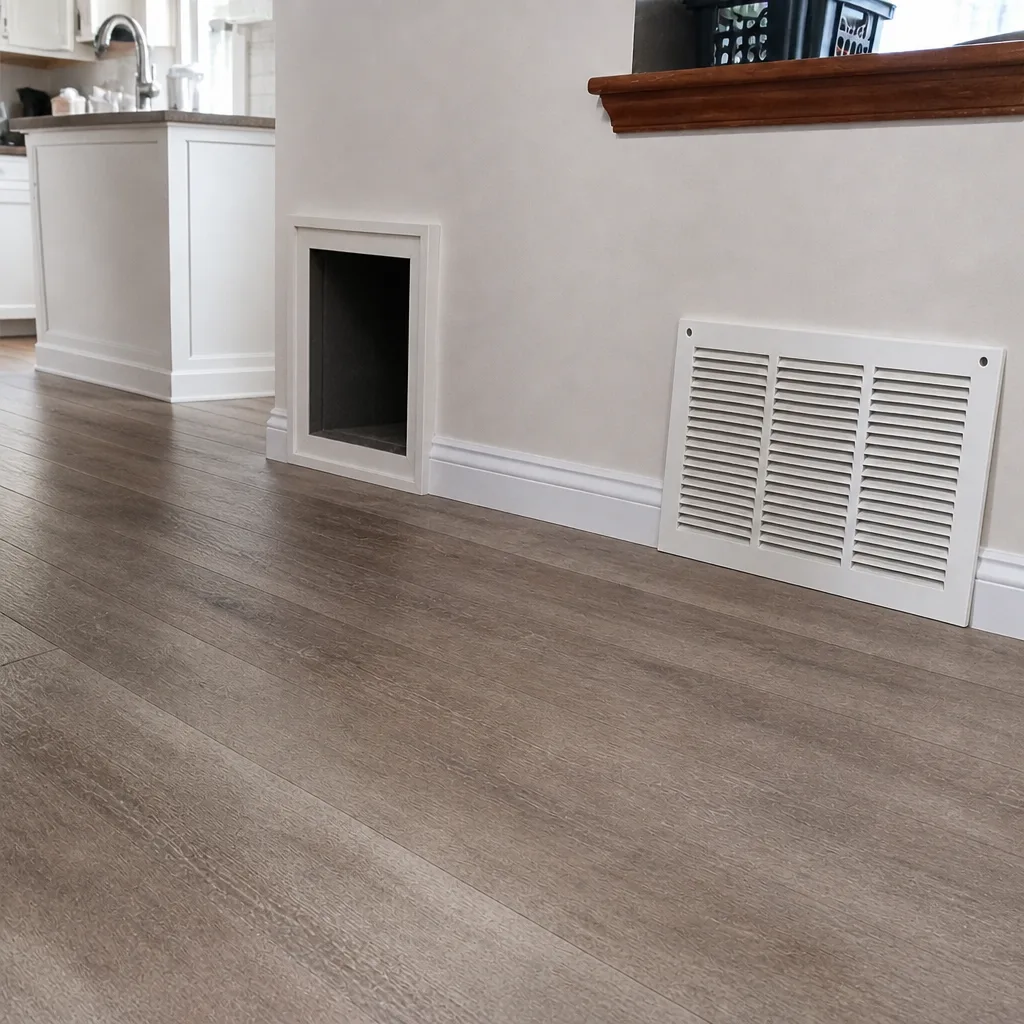 After
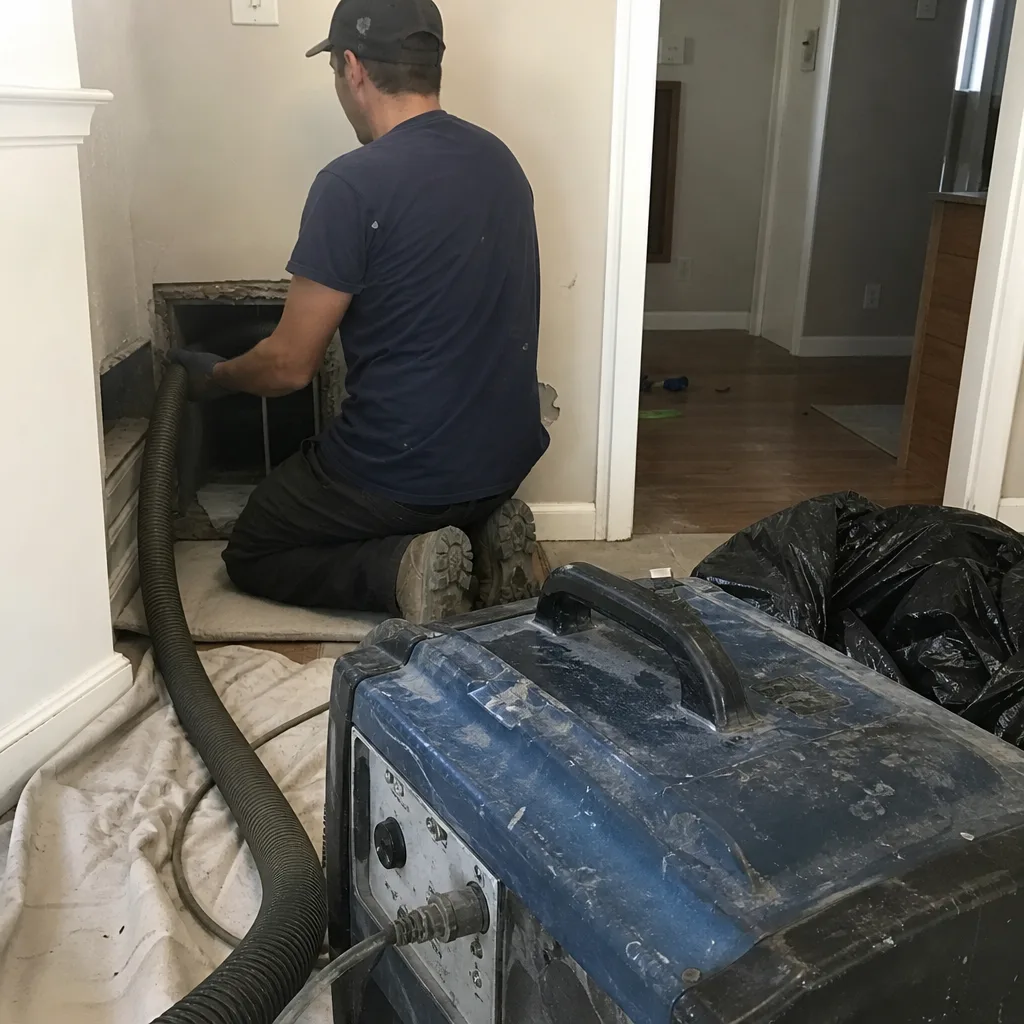 Before
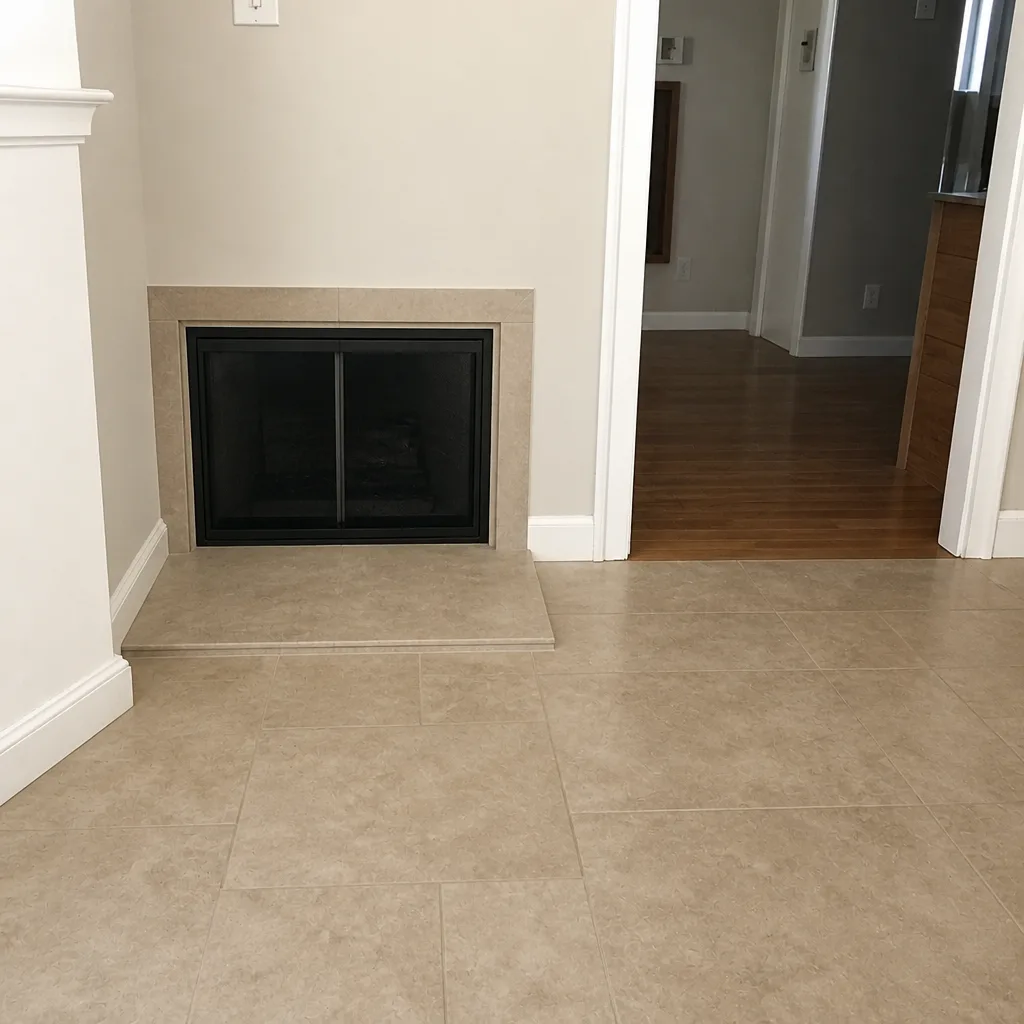 After
When to Call a Professional
Call for a duct inspection when any of these apply: odor that returns every heating season, visible debris in more than two registers, allergy symptoms that get worse indoors and ease outdoors, a renovation in the last two years without register protection, a moisture event that touched the mechanical system, or a new HVAC install where the existing ducts were never evaluated. Call for a cleaning when the inspection confirms contamination, and call for repair and sealing when leaks or disconnected runs are causing the contamination to come back. And call an HVAC tech first when the symptom is weak airflow, uneven temperatures, or anything electrical or refrigerant-related; that’s a mechanical repair, not a cleaning.
Marysville Air Duct Cleaning Co offers free estimates in Marysville. Call (888) 847-8751. We answer 24/7, with fast dispatch from 7am to 7pm, Sunday through Friday. Our technicians have up to 10 years of experience, and the local pro we send is licensed and insured as the state requires. One flat price per system is agreed before any work starts, and you get before-and-after photos of your own ducts.
Frequently Asked Questions
Whole-system air duct cleaning in Marysville typically runs in the low-to-mid hundreds of dollars for a standard residential system, with the final price set per job by a written estimate after the system is inspected. The range moves based on square footage, the number of runs, and whether additional work like duct sealing or dryer vent cleaning is included. Call (888) 847-8751 for an exact quote; estimates are free.
Cheap quotes usually reflect a blower-only setup with minimal containment, which moves air through the system without agitating what’s stuck to the duct wall. Professional-grade contact cleaning using a Rotobrush brush system plus HEPA-rated negative-air equipment costs more to run, but it removes material rather than redistributing it. Ask whether the quote includes contact agitation, HEPA containment, and before-and-after photos. Call (888) 847-8751 to compare and get a straight answer.
You should get photos of the interior of your own ducts before and after the cleaning, not stock images, plus a walkthrough of what the crew found and removed. A legitimate crew walks you through the leak check and any duct repair recommendations. If the company can’t show you photos of your ducts, you can’t verify the work. Call (888) 847-8751 to schedule a visit.
For most Marysville homes, every three to five years is a reasonable interval, but the honest answer depends on the house: pets, renovations, moisture history, and how tight the duct system is all shift the timing. Homes with a recent renovation or a moisture event need it sooner. If any of the warning signs in this guide show up, book an inspection before the calendar says so. Call (888) 847-8751 to talk through your situation.
It can help by removing accumulated particulate, and that’s a real contribution, but it’s one part of indoor air quality rather than a standalone fix. Filtration, humidity control, and source removal matter too, and a good visit addresses all three in the same scope. If the symptom pattern points to mold or moisture, catch that first. Call (888) 847-8751 for an inspection report.
Weak airflow in one room, uneven temperatures across the house, a blower that short-cycles, or anything that smells electrical are HVAC signals, not cleaning signals. Duct cleaning can’t fix a crushed flex run or a failing fan. We’ll tell you when to call an HVAC tech before we book a cleaning visit in Marysville, and the same call applies to scheduling a duct inspection. Call (888) 847-8751 and we’ll help you sort the symptoms.
The Bottom Line
Duct warning signs fall into two categories, and the category matters more than the symptom. Performance signals point to mechanical and pressure problems and belong with an HVAC tech. Contamination signals, meaning odor tied to system run time, visible debris inside registers, allergy patterns that ease outside the house, and any recent renovation or moisture event, point at the ducts themselves. The visual stuff at the register is what’s spilling out; the real contamination is upstream and has often been there for months to years. Read the signs early, run the decision tree honestly, and ask any cleaning company what equipment they use before booking. Clean ducts that stay clean come from contact cleaning, HEPA-rated capture, and sealing the leaks that let contamination back in. That’s the whole method, and it’s how we handle every Marysville job.
Ready to find out what’s actually in your ducts? Call (888) 847-8751 for a free estimate. We answer 24/7, with fast dispatch from 7am to 7pm, Sunday through Friday.
Written by the team at Marysville Air Duct Cleaning Co.