
Last updated November 25, 2026
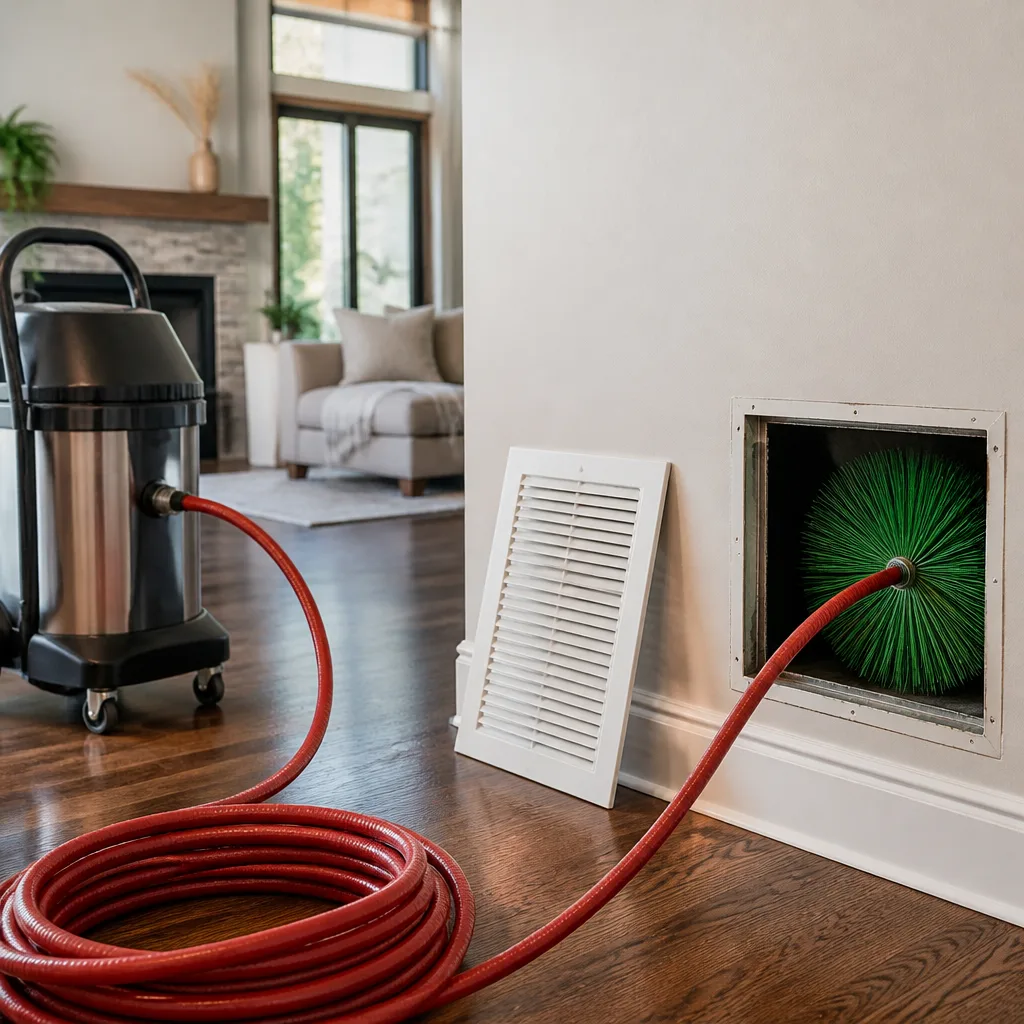 Whole-home duct cleaning
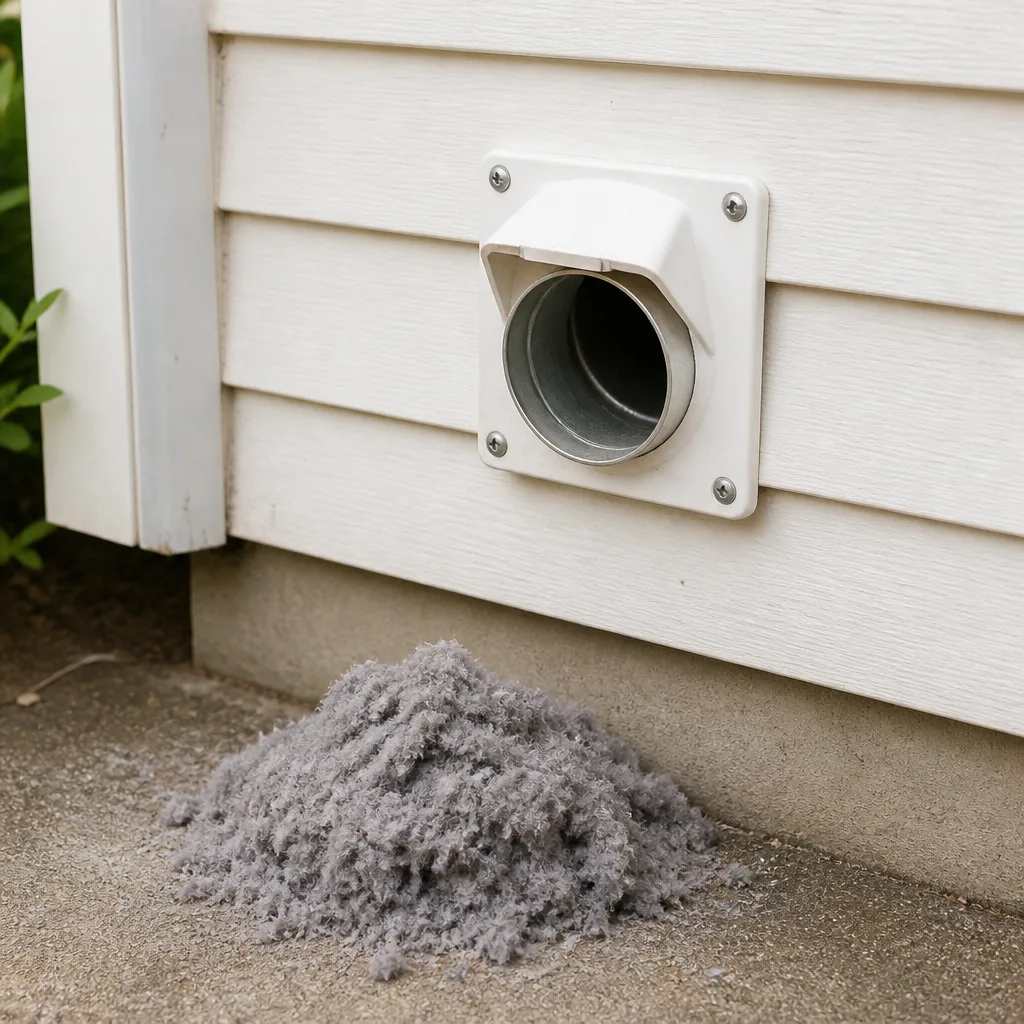 Dryer vent cleaning
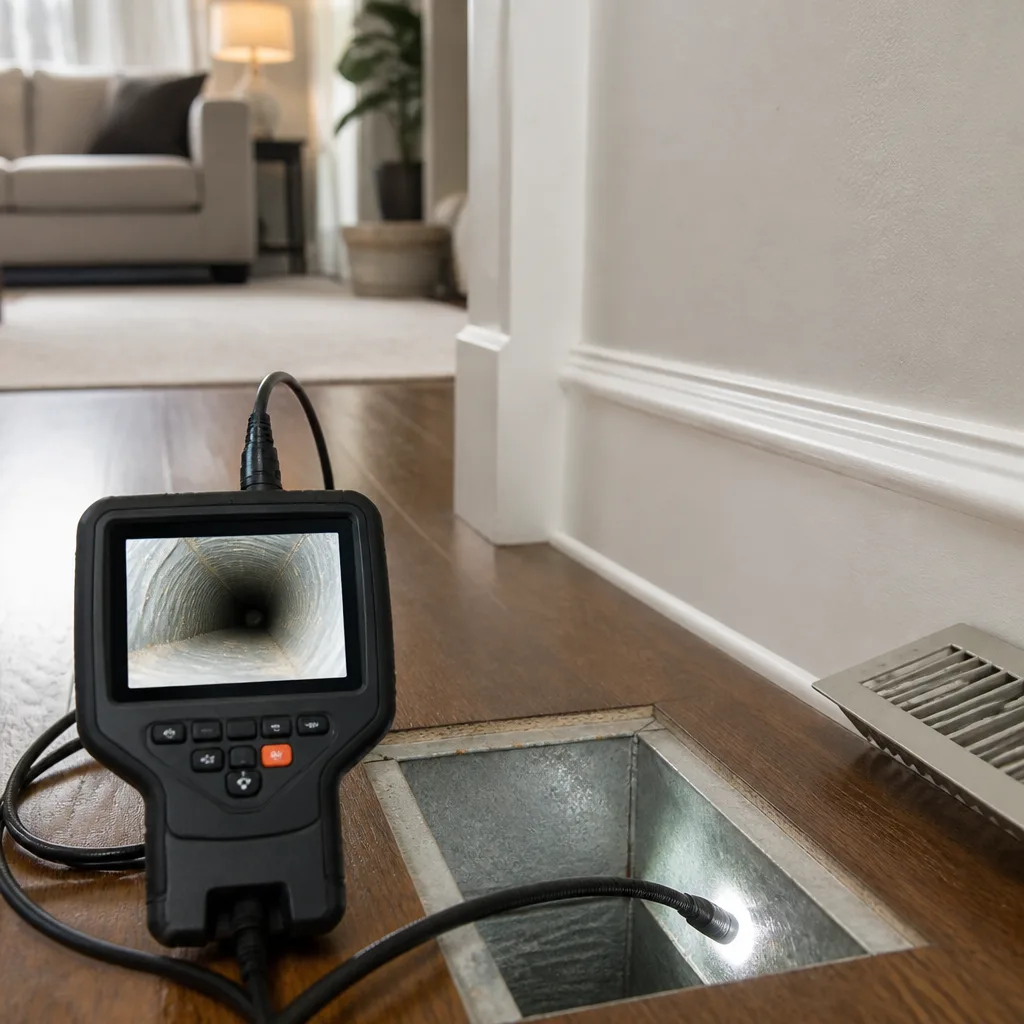 Camera inspection
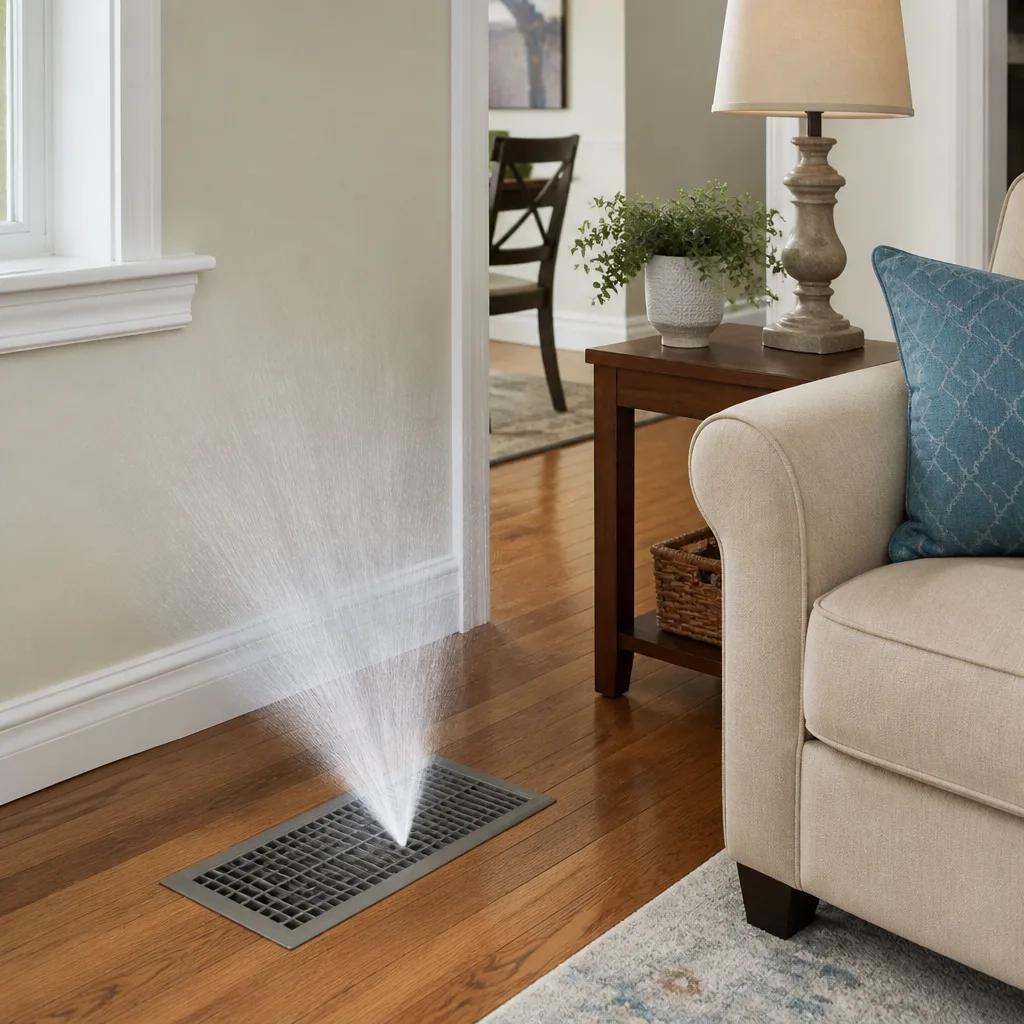 Sanitizing & deodorizing
Whole-system duct and dryer vent check with before-and-after photos - you see exactly what came out of your vents
That "$99 whole-house special" is a bait ad - the real number appears once they are in your hallway, or the "clean" is a shop-vac at the register. We photograph the inside of your ducts before and after instead.
Choosing the Right Air Duct Cleaning Brand: A Buyer’s Guide for Marysville
Here’s the uncomfortable truth about duct cleaning in Marysville: the logo on the van tells you almost nothing about what happens inside your walls. Some of the most heavily advertised names in this trade run portable vacuum units that pull far less air than a proper trunk-line cleaning requires, and homeowners book them because the brand looks familiar. Meanwhile, an independent operator with the right equipment can deliver a measurably better result. This guide teaches you to evaluate the method, the equipment, and the process rather than the marketing. By the end, you’ll know exactly what questions separate a capable duct cleaner from a surface-level one, and you’ll have a scorecard to hold any company to.
Quick Answer
The right air duct cleaning company in Marysville is the one that uses contact-cleaning equipment (a physical brush system that agitates debris) combined with HEPA-rated negative-air containment to capture it at the source, not a portable blower that stirs dust loose and leaves it in the system. Brand recognition, franchise affiliation, and “NADCA certified” badges don’t guarantee that method; you have to ask about the specific platforms and the CFM rating. Evaluate the delivery, not the logo.
Styles & brands we work with
- Whole-home duct cleaning
- Dryer vent cleaning
- Camera inspection
- Sanitizing & deodorizing
Table of Contents
- What equipment benchmarks actually matter?
- Why do franchise models and equipment investment often conflict?
- The brand-agnostic evaluation scorecard: five questions
- What “NADCA certified” and “EPA recommended” really mean
- How to read reviews for duct cleaning specifically
- What makes a Marysville duct system different?
- Why cleaning alone isn’t enough: repair, sealing, and containment
- The fire-risk service most buyers overlook
What equipment benchmarks actually matter?
Duct cleaning is a three-part job: dislodge the debris, capture it, and contain it so it doesn’t migrate into your living space. Every piece of equipment in a legitimate operation serves one of those three functions. When a company skips a step, the work either doesn’t happen or it becomes a health hazard in its own right.
The first benchmark is suction capacity, measured in cubic feet per minute (CFM). Portable units sold to budget operators often top out in the hundreds of CFM. Truck-mounted and high-capacity HEPA systems pull far more air, which matters because trunk lines carry the bulk of the debris load. A weak vacuum can loosen a surface layer without moving the material deeper in the run.
The second benchmark is the cleaning method. Blow-and-pray approaches rely on air pressure alone. Contact cleaning uses a physical rotating brush or whip that scrubs the duct walls as it travels, then relies on simultaneous negative pressure to pull the loosened material back to the vacuum. The Rotobrush platform is the most widely used contact-cleaning system in the trade; its brush head physically agitates the duct interior, which is what “contact cleaning” means.
The third benchmark is HEPA-rated negative-air containment. Nikro equipment and similar platforms filter the exhaust through HEPA-rated media and maintain negative pressure in the work zone so loosened debris can’t drift into living space. This is standard in commercial and remediation work. In residential jobs, it’s the difference between a cleaning and a mess.
- Suction capacity (CFM): ask the company what their vacuum pulls. Anything under 1,500 CFM struggles with trunk-line cleaning.
- Contact-cleaning method: expect a rotating brush or whip system, not air alone.
- HEPA-rated negative-air: ask about the filtration stage on the vacuum exhaust and the containment setup.
- Camera inspection: a legitimate operator can show you before-and-after footage of your ducts.
In our experience, the operator who can answer these four questions with specifics is almost always the one running professional-grade equipment. Ambiguous answers are the tell. If a company describes their method as “powerful air pressure” without mentioning a brush or HEPA filter, you already know the answer.
Why do franchise models and equipment investment often conflict?
A franchise is a business model, not an equipment standard. The parent company sells the name, the marketing materials, and the operating playbook. The local franchisee buys the territory, hires staff, and invests in equipment within whatever budget the margins allow. When corporate fees, royalty payments, and advertising fund contributions consume a large share of revenue, the equipment budget is often the first line item cut. The result is a familiar pattern: a nationally recognized brand, a slick website, a coupon, and a portable vacuum pulling under 1,500 CFM.
Independent operators face different incentives. There’s no royalty check to write and no national ad fund to feed. What they own is their reputation in the local market, and in a place like Marysville where a homeowner and a property manager can both post a review the same week, that reputation is the business. That tends to push capital decisions toward the equipment that delivers a defensible result: a Rotobrush contact-cleaning system, a HEPA-rated vacuum, and camera verification.
None of this means every independent is good or every franchise is bad. It means the operating model shapes the equipment budget, and the equipment budget shapes the result. A franchisee who chose to invest gets the same toolset. An independent who undercapitalized their startup has the same weak vacuum as a constrained franchise. The lesson is uniform: the brand is the wrong thing to evaluate. The delivery is the right thing.
When you speak to any operator in Marysville, ask the equipment questions from the previous section plainly. “What’s your vacuum’s CFM rating? Do you use contact cleaning? What HEPA containment do you run?” A capable operator answers without hesitation. A marketing-first operator pivots to a discount.
The brand-agnostic evaluation scorecard: five questions
Use these five questions with any company, local or national. The answers tell you whether the operator can deliver a full-scope job, and the questions are specific enough that a marketing script can’t fake the response.
- What cleaning method and equipment do you use, and what’s the vacuum’s CFM rating? A capable operator names the platform (for example, Rotobrush for contact cleaning) and an approximate suction rating. If they can’t answer, that’s your answer.
- Do you use HEPA-rated negative-air containment, and how do you filter the vacuum exhaust? This tells you whether loosened contaminants get captured or redistributed through your home. You want a specific equipment answer, not “we use filters.”
- Do you offer duct repair and sealing as a follow-up service? Clean ducts only stay clean if the system is sealed. An operator who cleans without offering repair leaves you with leaks that pull debris back in within weeks.
- What documentation do you provide at job completion? Before-and-after photos, a written scope summary, and a camera walkthrough are the baseline. A receipt with a number is not documentation of work performed.
- Is your quote per-system or per-vent, and what’s included? Per-system quotes are honest about the work; per-vent pricing tends to hide the actual labor, and it invites a low teaser price followed by a bigger invoice. Insist on one flat price per system agreed before work starts.
We’ve seen homeowners ask these questions on the phone in ten minutes and eliminate three of five local quotes in the process. It’s the fastest quality filter available. A capable operator will appreciate the questions because they separate them from the cut-rate competition. A marketing-first operator will get uncomfortable, and that discomfort is a real answer.
What “NADCA certified” and “EPA recommended” really mean
These two labels get used as shorthand for quality, and they’re frequently misunderstood. Here’s what they actually certify and what they don’t.
“NADCA certified” typically refers to individual technicians who have completed training and passed an exam from the National Air Duct Cleaners Association. That’s meaningful as a knowledge baseline: the certified tech understands airflow principles, contamination sources, and industry standards. It does not guarantee that the company the tech works for uses contact-cleaning equipment, HEPA containment, or camera verification. A certified technician wielding a portable blower is still wielding a portable blower. The certification marks the person, not the delivery.
“EPA recommended” is a phrase that appears on many duct cleaning websites, and it’s worth reading carefully. The U.S. EPA has published general guidance that duct cleaning “has not been shown to definitively prevent health problems” and has published specific cautions about companies using aggressive sales tactics or making unsubstantiated health claims. When a company says “EPA recommended,” ask what specifically was recommended and by whom. Nobody at the EPA endorses individual companies.
What you want to evaluate is method. NADCA publishes a foundational standard for the assessment, cleaning, and restoration of HVAC systems, and that standard describes a process: assessment before cleaning, source removal rather than blow-through, containment to protect the occupied space, and verification after. A company that can walk you through that process with specifics is operating to a standard whether or not a badge appears on their website. A company that mentions the badge and skips the process has neither.
- Badge value: a positive signal, not a proof of method.
- What to trust: specific equipment answers and a demonstrated before-and-after process.
- What to ignore: vague “EPA recommended” claims that don’t name a specific guideline.
- What to verify: ask how the company documents assessment, cleaning, containment, and verification.
How to read reviews for duct cleaning specifically
Online reviews for duct cleaning are useful but easy to misread. The typical five-star review says “friendly, on time, great price.” That’s a customer-service review, not a technical review. A pleasant technician with a weak vacuum will generate as many of these as a top-tier operator. To tell them apart, look for the specific language that only appears when someone actually watched a technical job happen.
Reviews that signal a real technical job tend to mention:
- Before-and-after photos shown to the customer on-site, and photos delivered afterward.
- The customer seeing the actual equipment (a containment setup, a large vacuum hose, a rotating brush), not just a portable shop-vac.
- Description of the debris volume, or of the specific ducts that were treated.
- Mention of damage that was found and addressed (loose joints, disconnected runs) as part of the visit.
- Verification language: “they walked me through the whole system before and after” or “showed me the camera footage.”
Reviews that signal a surface-level visit with good customer service sound different. They mention punctuality, price, and politeness but not equipment or verification. Sometimes they say “fast” in a way that reads suspiciously fast for a whole-system job. That’s the tell.
Another pattern worth noting is review clustering. A company whose reviews all arrive in a single week, or whose five-star reviews are one sentence long and don’t describe the service, has a marketing problem, not a service problem. The reviews that matter are the ones that describe a service delivery in detail. Read those, and look past the star count.
In Marysville, look specifically for neighborhood mentions. A reviewer who names their area, describes their home’s age or system type, and gives a technical account of the visit is a stronger signal than a generic five-star from a name you can’t place. Local specifics don’t get faked easily.
What makes a Marysville duct system different?
Marysville sits in the Puget Sound lowlands, and while it’s inland from the salt water, its climate leaves a real mark on residential duct systems. Winters are cool and wet, and homes run their heating systems for months at a time with relatively little natural drying. That means moisture cycling through the ducts and around the furnace’s return side, which feeds biological growth when the filtration layer is thin. Homes in the low-lying areas also see more seasonal humidity, which makes the capture step of duct cleaning more important; a blower-only clean in a damp system redistributes spores rather than removing them.
The housing stock in Marysville spans several eras. Older homes in the downtown core and along the State Avenue corridor often have sheet-metal trunks with flexible branch runs that were added or replaced during past remodels, which creates a mismatch in duct geometry: a single system may contain three or four different duct types. Newer construction on the north and east sides of town tends toward flexible duct throughout, which is easier to clean but more susceptible to sagging, kinks, and disconnected joints if it was installed hastily.
Both of these patterns argue for the same two tools: contact cleaning (because the rotating brush follows the duct shape and scrubs what air alone won’t reach), and camera verification (because visible damage in flexible duct often hides inside the wall cavity). When we clean a Marysville home, we expect to find at least one joint or connection that needs attention. It’s a house-style pattern, not a one-off.
Property managers dealing with apartment inventory around Marysville face a related issue. A building can have a dozen identical floor plans but ten years of different tenant loads (pets, smoking, cooking habits), which means the cleaning scope can’t be assumed uniform from unit to unit. That makes per-system quoting with an on-site assessment more accurate than a straight per-vent price. For those who own or manage rental units, our Marysville Air Duct Cleaning Co team can walk through a unit-by-unit approach.
None of this makes Marysville’s duct problems unique. It does mean the operator who regularly works in Marysville homes knows where the local weak points are: the flexible branches in older remodels, the sagging runs in newer built-to-spec housing, and the humidity cycle that makes containment matter more than it might in a drier climate.
Why cleaning alone isn’t enough: repair, sealing, and containment
A cleaning removes contamination that’s already there. Repair and sealing prevent it from returning. That distinction matters more than most homeowners realize, because a system with leaks at joints, boots, or the return-side connection will pull unfiltered air back into the ductwork within weeks of a cleaning. Clean ducts only stay clean if the enclosure is tight.
Duct repair and sealing in this context means three things: reconnecting and re-sealing separated or loose joints, closing gaps at boots and registers where duct meets the wall or floor, and addressing flex duct that has been crushed, sagged, or run through a tight cavity in ways that compromise its integrity. These are the weaknesses that come from age, from the original installation, and from later HVAC service calls that moved things around.
We offer duct repair and sealing alongside cleaning under one provider for a reason. If a separate contractor has to come back after the cleaning crew leaves to seal a joint they couldn’t see, the next cleaning happens sooner than it should. Doing the whole scope under one visit means the system ends up clean and tight in a single pass.
There’s a containment dimension too. Loose debris includes biological material when the system has moisture damage, and elevated contamination scenarios need elevated handling. That’s when an Abatement Technologies setup becomes relevant: it’s designed for the contamination levels you’d see after a renovation, a water event, or a long period with failed filtration. In a Marysville home with a damp crawlspace or a history of roof leaks, elevated contamination isn’t rare.
If you’re booking cleaning, ask about repair scope up front. A company that doesn’t offer it isn’t necessarily bad; a company that does offer it and can describe what they’d be looking for is signaling real operational maturity.
The fire-risk service most buyers overlook
Dryer vent cleaning sits at the edge of duct cleaning, and many buyers skip it. That’s a mistake. The same debris mechanics that fill HVAC ducts with lint and dust operate in the dryer exhaust line under much worse conditions: heavy lint accumulation, heat, and a short run to the exterior, where a fire can start. This is dryer vent cleaning territory, and it’s fire-risk reduction, not a maintenance add-on.
In Marysville’s older housing stock, dryer vent runs frequently exit through the floor, roof, or an interior wall, and that path is significantly longer than a straight-out-the-side-wall install. Longer runs collect lint faster, especially with elbows or soffit discharges that tend to trap material. When you’re already booking duct cleaning, having the dryer line checked the same visit is the practical answer. The two services together cover the whole-home air path in a way that cleaning one without the other leaves half the risk in place.
Whole-home air quality extends past the ducts too. If your system is struggling with filtration or humidity control, a whole-home air quality product can help; we work with Honeywell and Aprilaire systems and can supply and install them alongside the cleaning scope. Between cleaning, sealing, dryer vent service, and filtration upgrades, one visit can cover the full air path. Our HVAC cleaning process covers the air handler itself for the same reason.
Common Mistakes to Avoid
- Booking on brand recognition alone. A nationally advertised name running a portable blower isn’t a better cleaning than an independent operator with a truck-mounted HEPA system. Ask about equipment first, and let the answer decide.
- Accepting a per-vent price. Per-vent quotes hide the labor and invite a teaser price followed by a larger invoice. Insist on one flat price per system agreed before work starts, and a written estimate that sets the final price.
- Skipping containment. A cleaning without HEPA-rated negative-air at the source redistributes what it loosens. In a Marysville home with a damp crawlspace or recent renovation, that’s a health concern, not just a mess.
- Cleaning without repairing. A loose joint or disconnected run will pull debris back in within weeks. Ask about duct repair and sealing alongside cleaning, and treat them as the same job.
- Trusting “before-and-after” photos you didn’t see. Photos of someone else’s ducts look the same as photos of yours. Ask to see the before-and-after for your own system, on-site or in a follow-up document.
- Treating the dryer vent as an afterthought. Lint accumulation in a dryer exhaust line is a fire risk under heat load, and long vent runs in older Marysville housing collect it faster. Include dryer vent service when you book duct cleaning.
- Confusing customer service with technical work. A punctual, friendly technician with the wrong vacuum is still a bad duct cleaning. Read reviews for equipment and verification language, not politeness.
See the difference
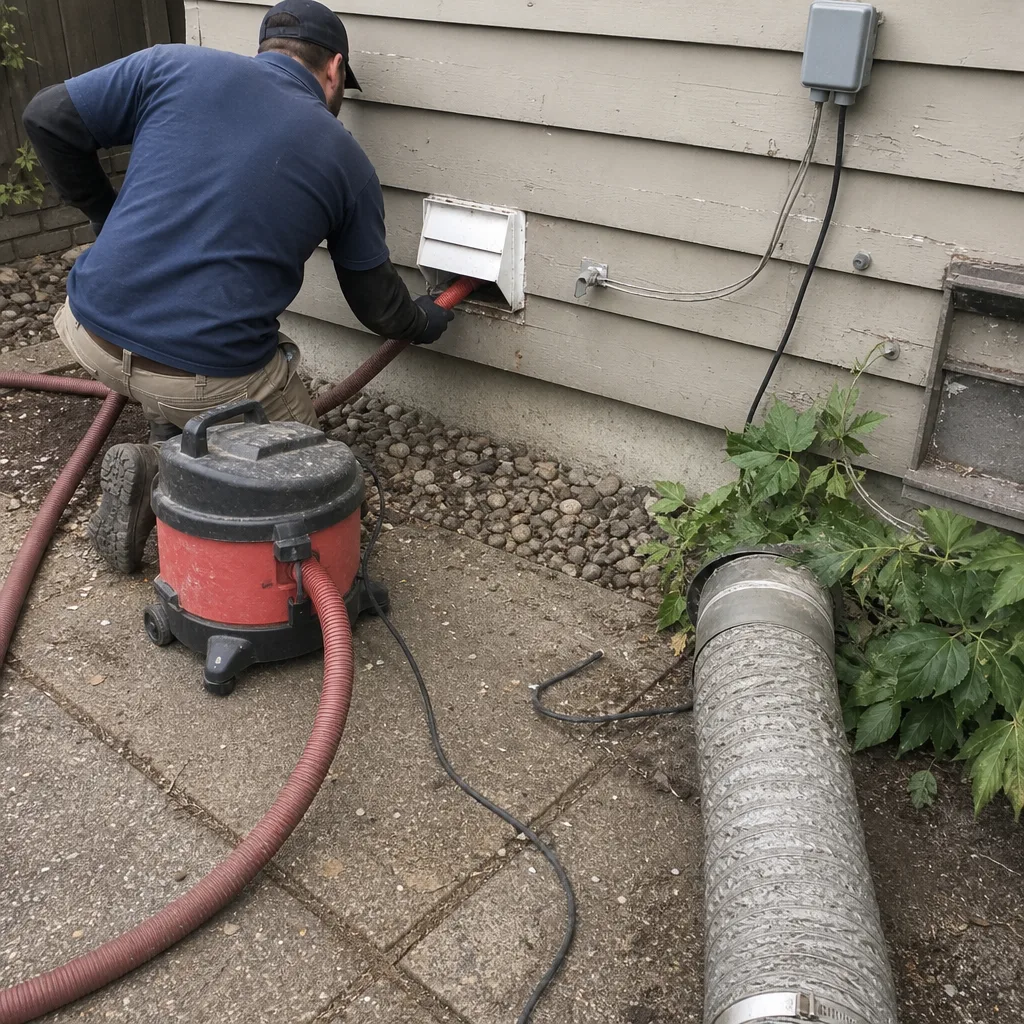 Before
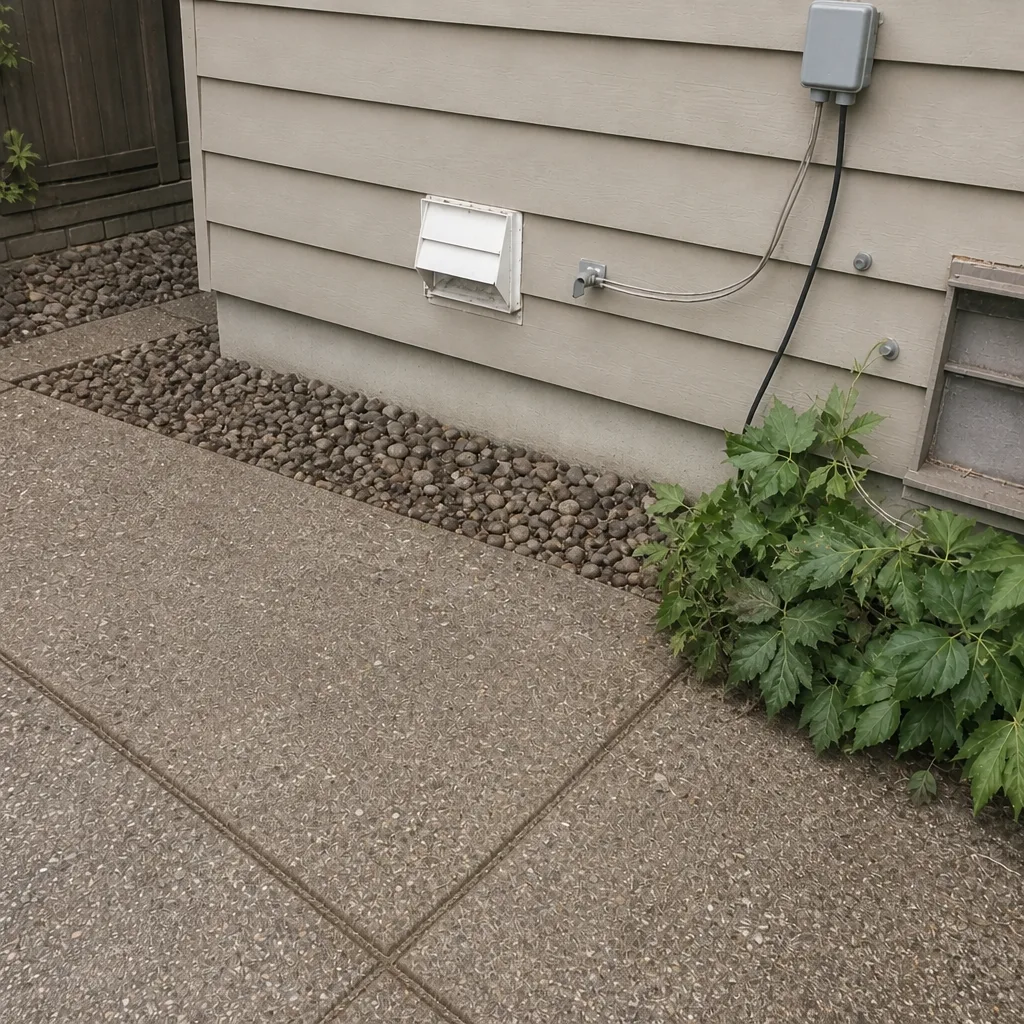 After
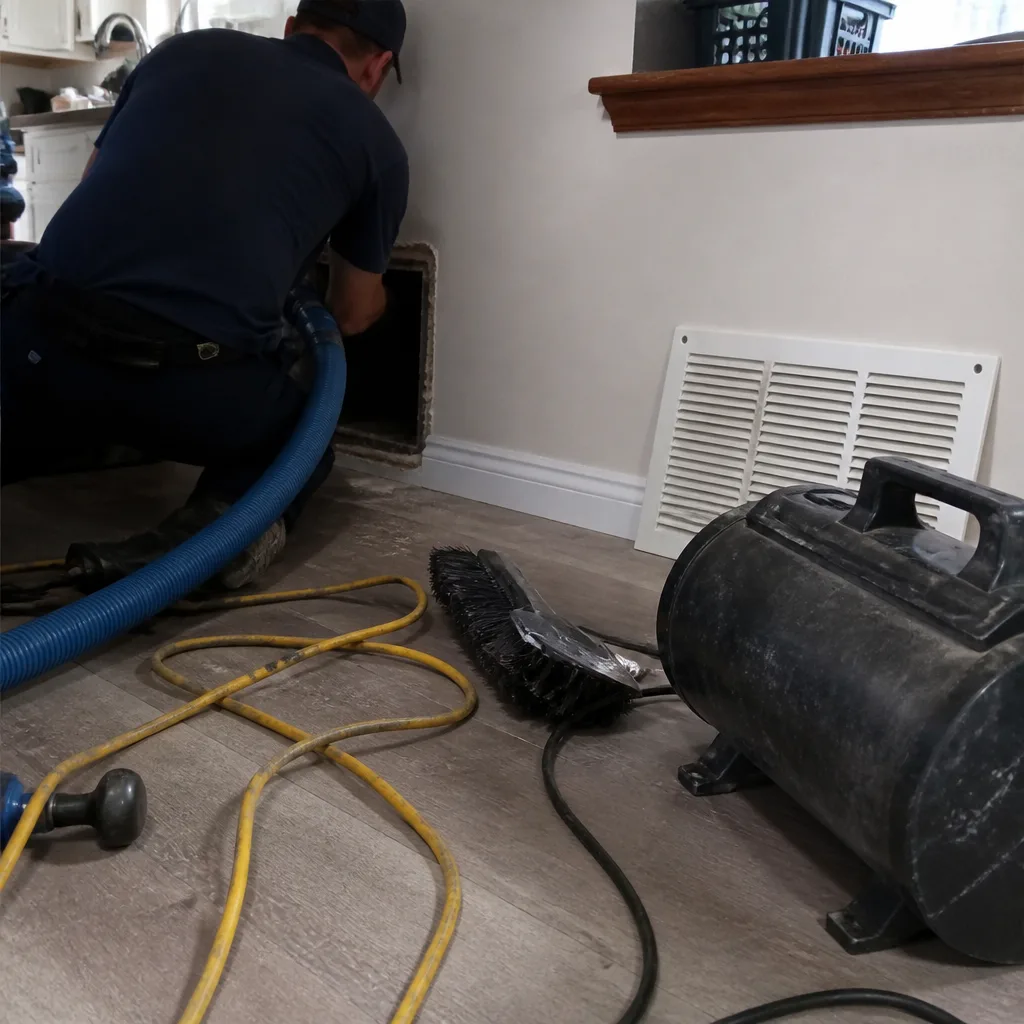 Before
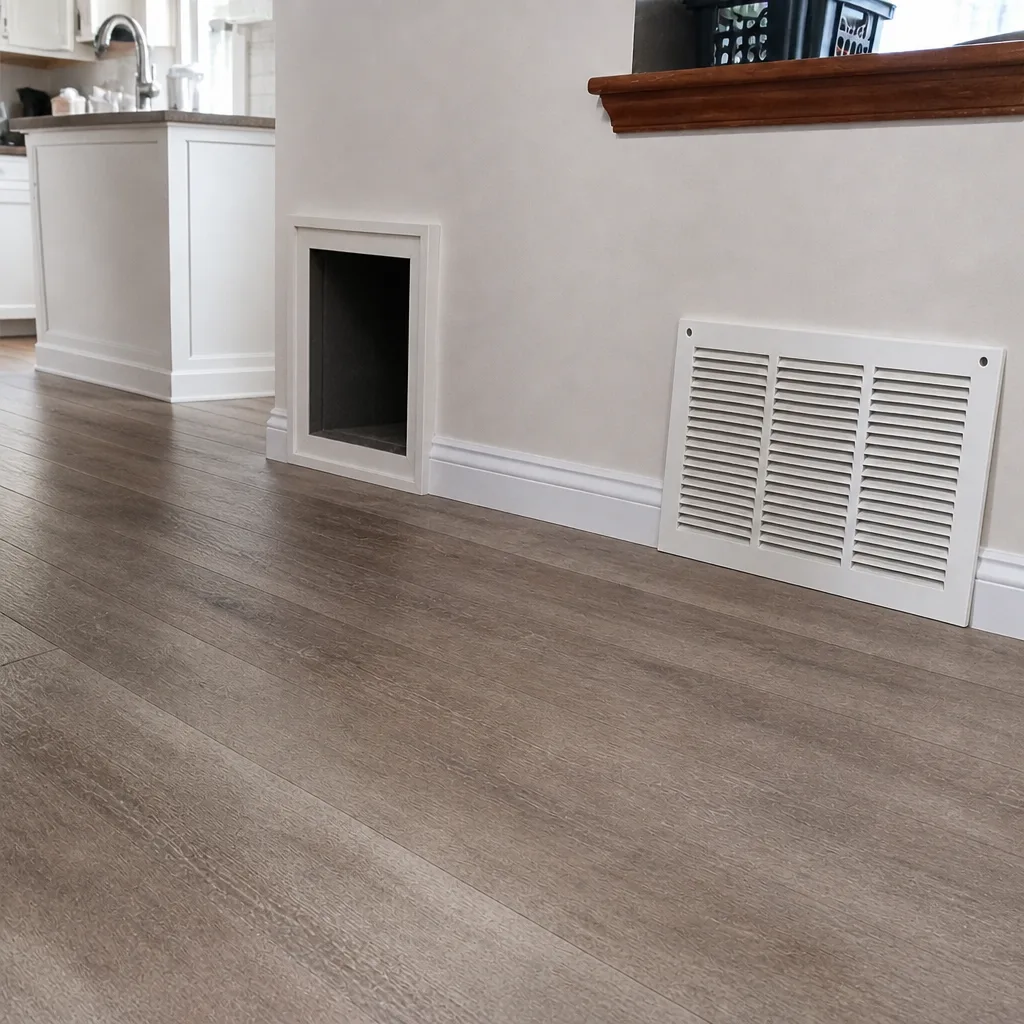 After
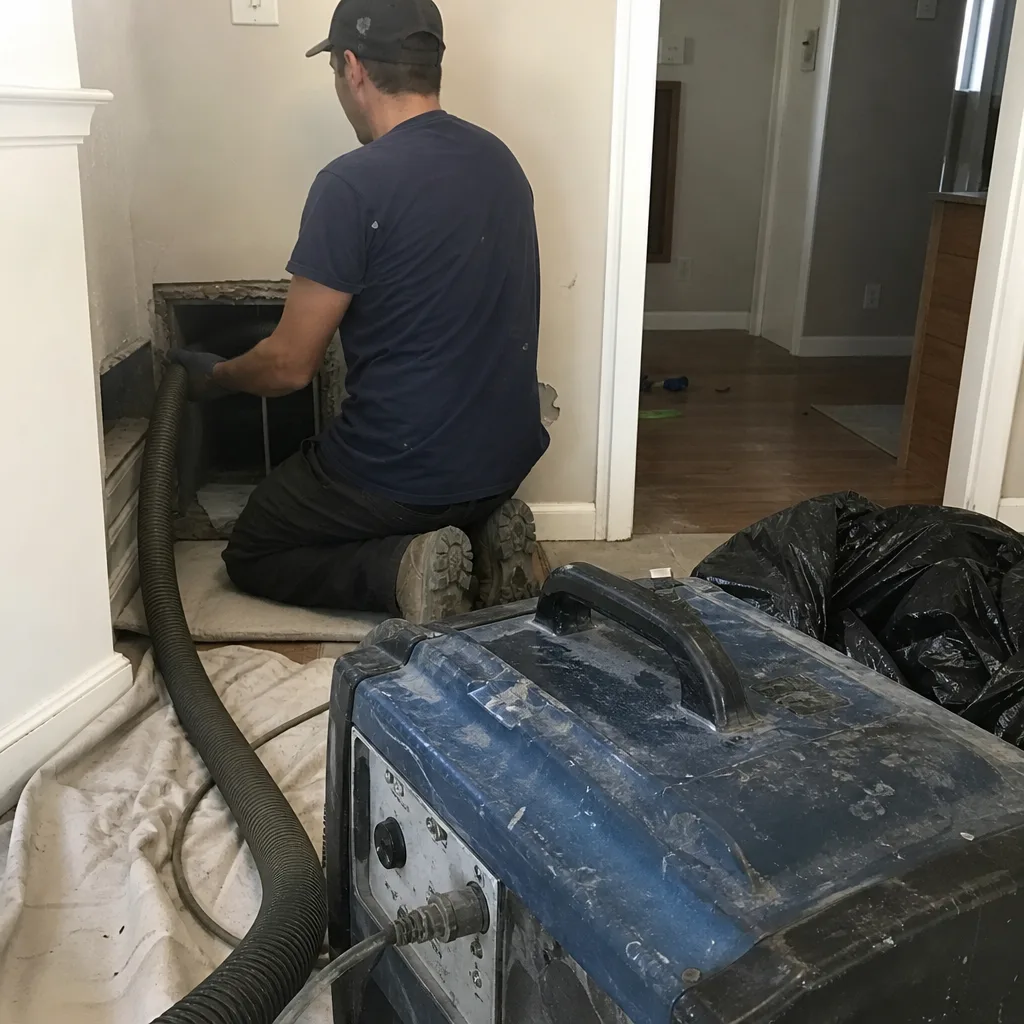 Before
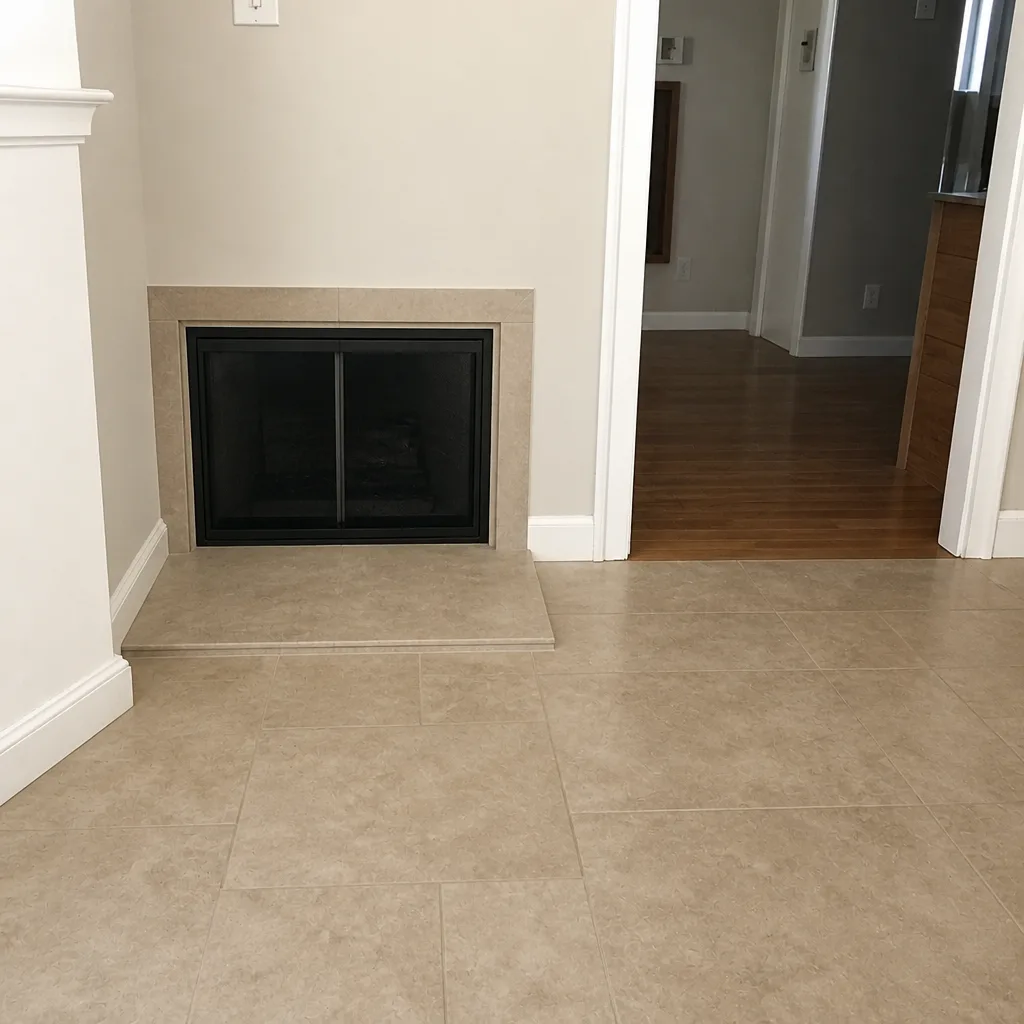 After
When to Call a Professional
Call a professional duct cleaner when you see any of the following in your Marysville home. Visible dust plumes from registers when the system starts. A consistent musty or stale smell that follows the airflow. Recent renovation or drywall work in the home (fine particulate migrates into return-air paths). A new HVAC install, where the existing ductwork was reused without cleaning. Persistent allergy or respiratory symptoms you can’t trace to another source. A dryer that takes noticeably longer to dry a load, which signals lint buildup in the exhaust run. Extended periods with a failed filter, damaged return, or water intrusion near the air handler.
Marysville Air Duct Cleaning Co offers free estimates in Marysville. Call (888) 847-8751. We answer 24/7. Fast dispatch from 7am to 7pm, Sunday through Friday. A written estimate sets the final price, and one flat price per system is agreed before work starts. Every technician who arrives can walk you through the assessment and show before-and-after photos of the system in your home.
Frequently Asked Questions
For a typical single-family home in Marysville, duct cleaning usually lands in a range that reflects the system size, the level of contamination, and whether repair or sealing is included. The reliable way to know is a free on-site estimate with a written scope: equipment, method, and any repair items listed. Per-vent pricing hides the labor, and teaser coupon figures tend to grow into a bigger invoice once the technician is on site. Call (888) 847-8751 for an exact quote. Estimates are free.
Cheap quotes usually mean portable blower-only equipment without HEPA containment or contact cleaning. The company isn’t running a bad business model; they’re simply doing less work, and the result is a cleaning that redistributes more than it removes. A fair quote names the platform (Rotobrush, Nikro, Abatement Technologies), includes containment, and offers repair as part of the scope. Ask for those three specifics, and the cheap quote usually disappears. For a written estimate that specifies all three, call (888) 847-8751.
Ask for before-and-after photos of your own duct system, plus a walkthrough of what the technician found and treated. A capable operator provides both. Camera verification is the honest baseline: it shows the interior of the duct before cleaning, after cleaning, and any joint or run that needs repair. If a company can’t document the job, the job is unverified. Call (888) 847-8751 and we’ll walk you through what documentation your visit includes. Estimates are free.
There’s no fixed schedule that applies to every home. A Marysville home with pets, recent renovation, a failed filter, or dampness in the crawlspace usually needs more frequent attention than one without. Most homeowners fall somewhere between a few years and a decade, but the useful rule isn’t a timeline: it’s the condition of the system. If the supply registers are visibly dusty, if the smell changes with the heating cycle, or if you’ve had renovation work, get an assessment. Call (888) 847-8751 for a free estimate and we’ll tell you what the system needs rather than what the calendar suggests.
No, it isn’t enough by itself. NADCA certification marks individual technicians who’ve completed training, and it’s a positive signal of knowledge, but it doesn’t guarantee the company uses contact-cleaning equipment, HEPA containment, or camera verification. A certified technician operating a portable blower still delivers a weaker cleaning than an uncertified operator with the right platform. Evaluate the equipment and the process. Call (888) 847-8751 to compare our scope against any other quote. Estimates are free.
Yes. Duct repair and sealing is part of our core service menu, alongside cleaning, sanitizing, and dryer vent service, so the full scope can happen in one visit rather than requiring a second contractor. Sealing loose joints, closing gaps at boots, and repairing sagged or disconnected flex duct is what makes the cleaning result last instead of getting pulled back into the system within weeks. Call (888) 847-8751 to build the scope into your free estimate.
The Bottom Line
Brand recognition is a marketing outcome, not a technical one. What matters when you hire a duct cleaning company in Marysville is the equipment the operator brings, the method they use, and whether they offer repair and sealing so the cleaning sticks. Ask the five scorecard questions. Look for contact cleaning and HEPA-rated containment. Insist on one flat price per system agreed before work starts. Read reviews for equipment and verification language, not politeness. Include dryer vent service in the same visit for fire-risk reduction. If a company can answer those checks, the branding question takes care of itself. That’s the standard we hold ourselves to as our air duct cleaning team walks you through an assessment, and it’s the standard to hold anyone else to.
Call (888) 847-8751 for a free estimate. We answer 24/7. Fast dispatch from 7am to 7pm, Sunday through Friday. The local pro is licensed and insured as their state requires, and our technicians have up to 10 years of experience. One flat price per system, agreed before work starts, with before-and-after photos of your own ducts and a satisfaction guarantee behind the work.
Written by the team at Marysville Air Duct Cleaning Co.