
Last updated November 25, 2026
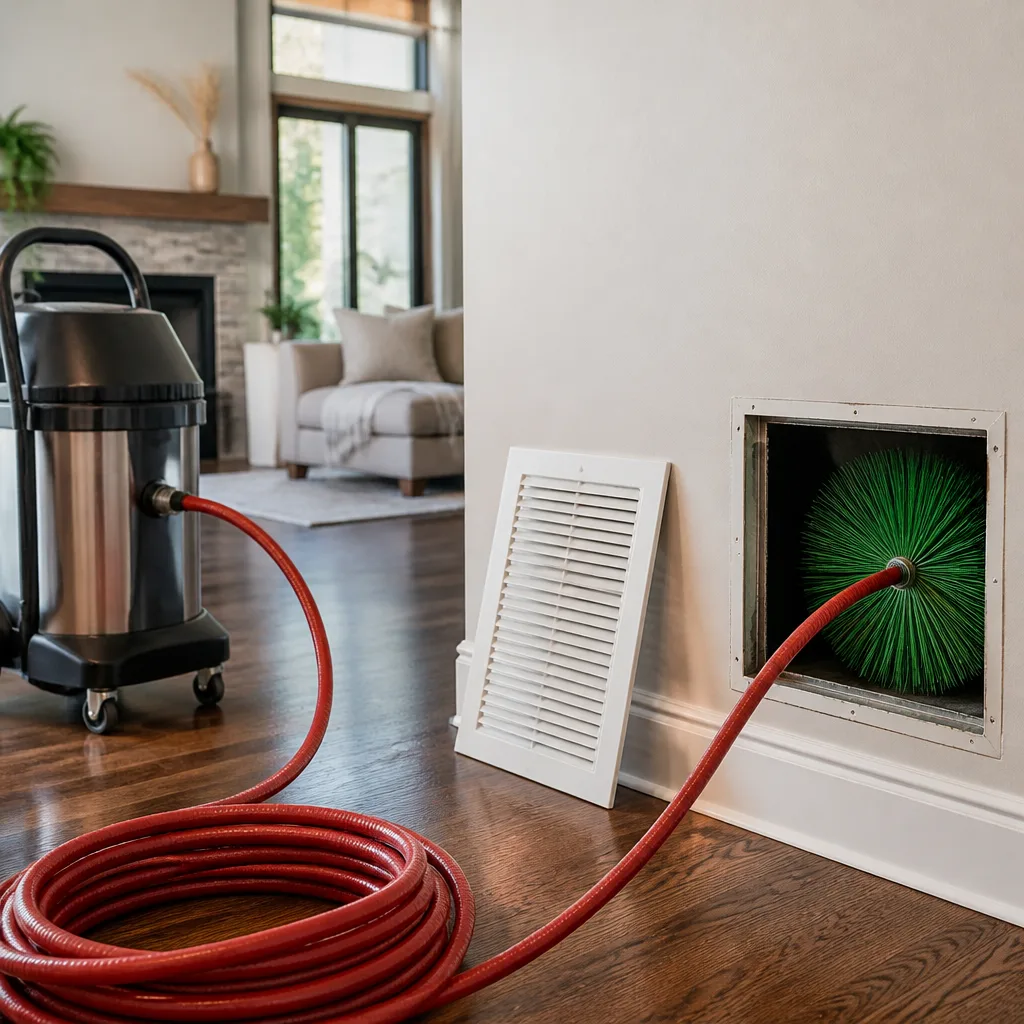 Whole-home duct cleaning
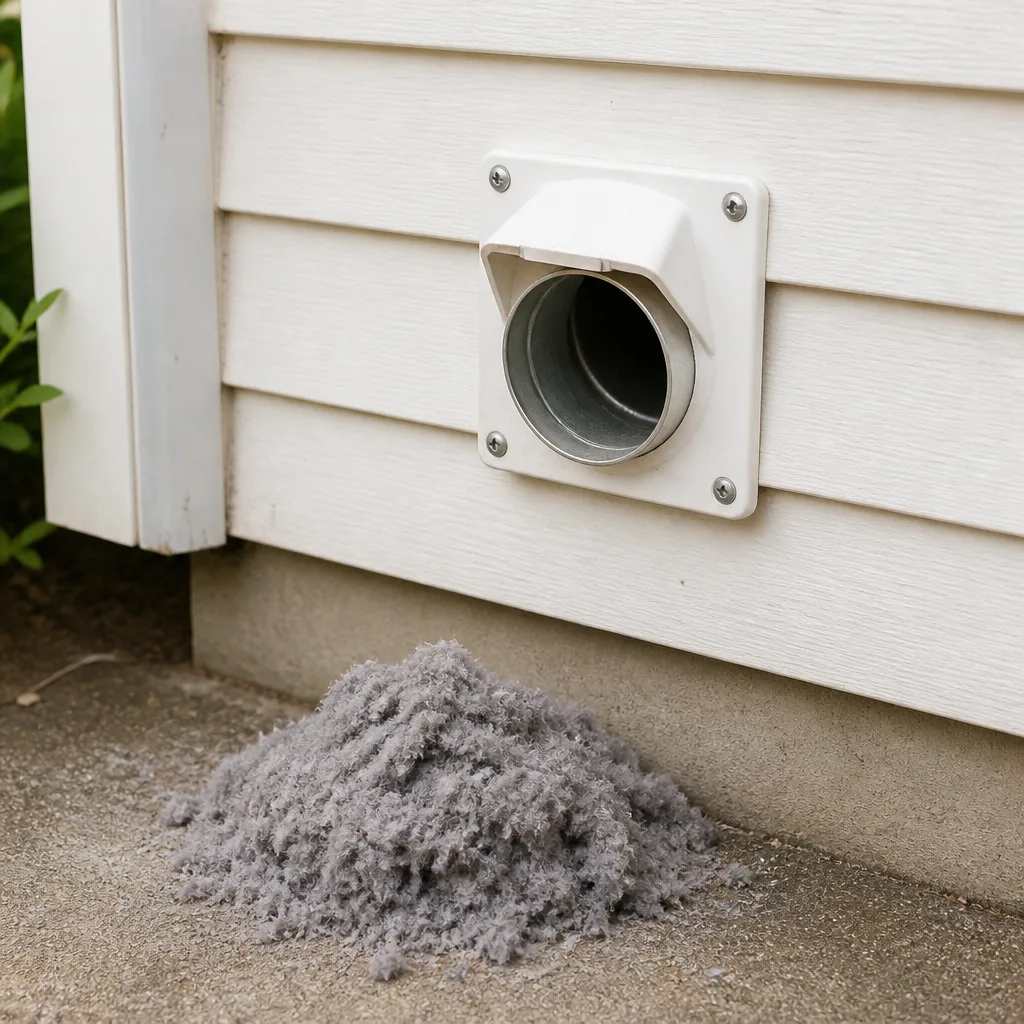 Dryer vent cleaning
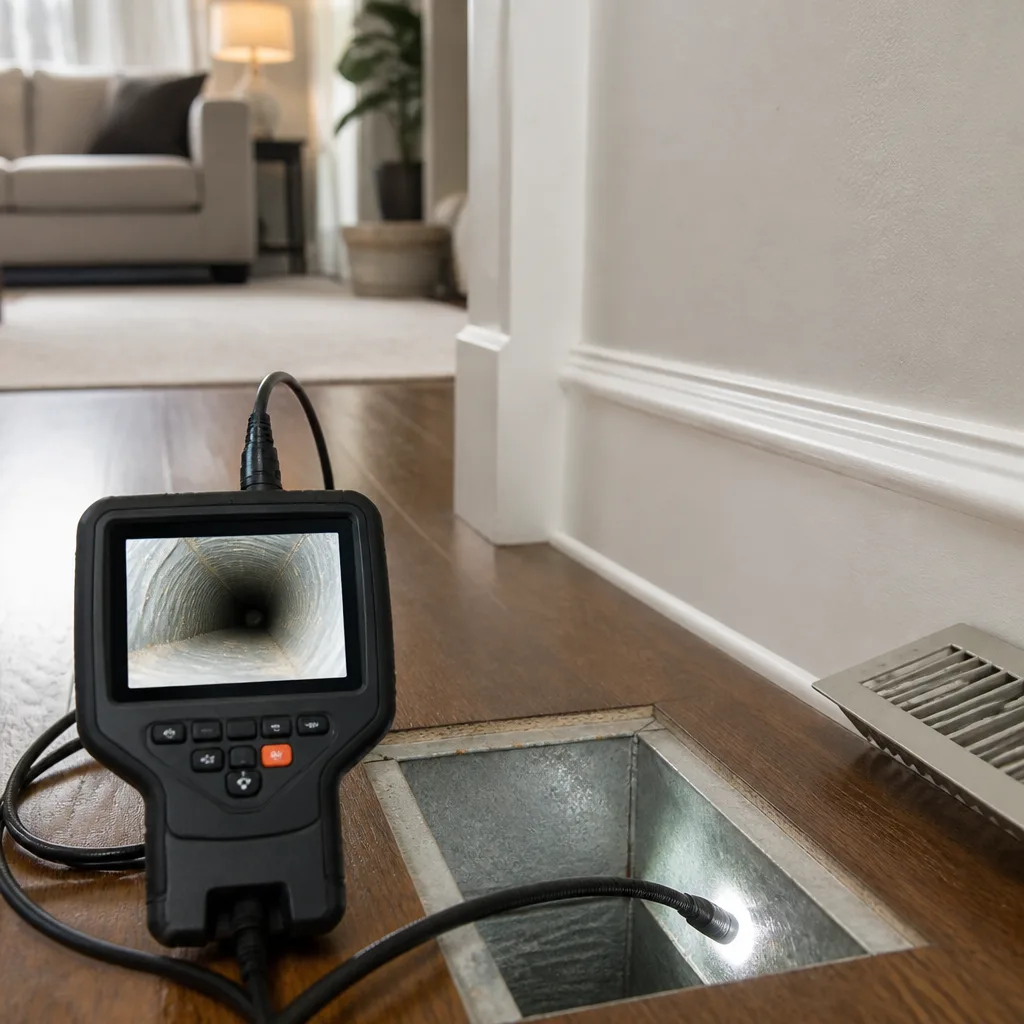 Camera inspection
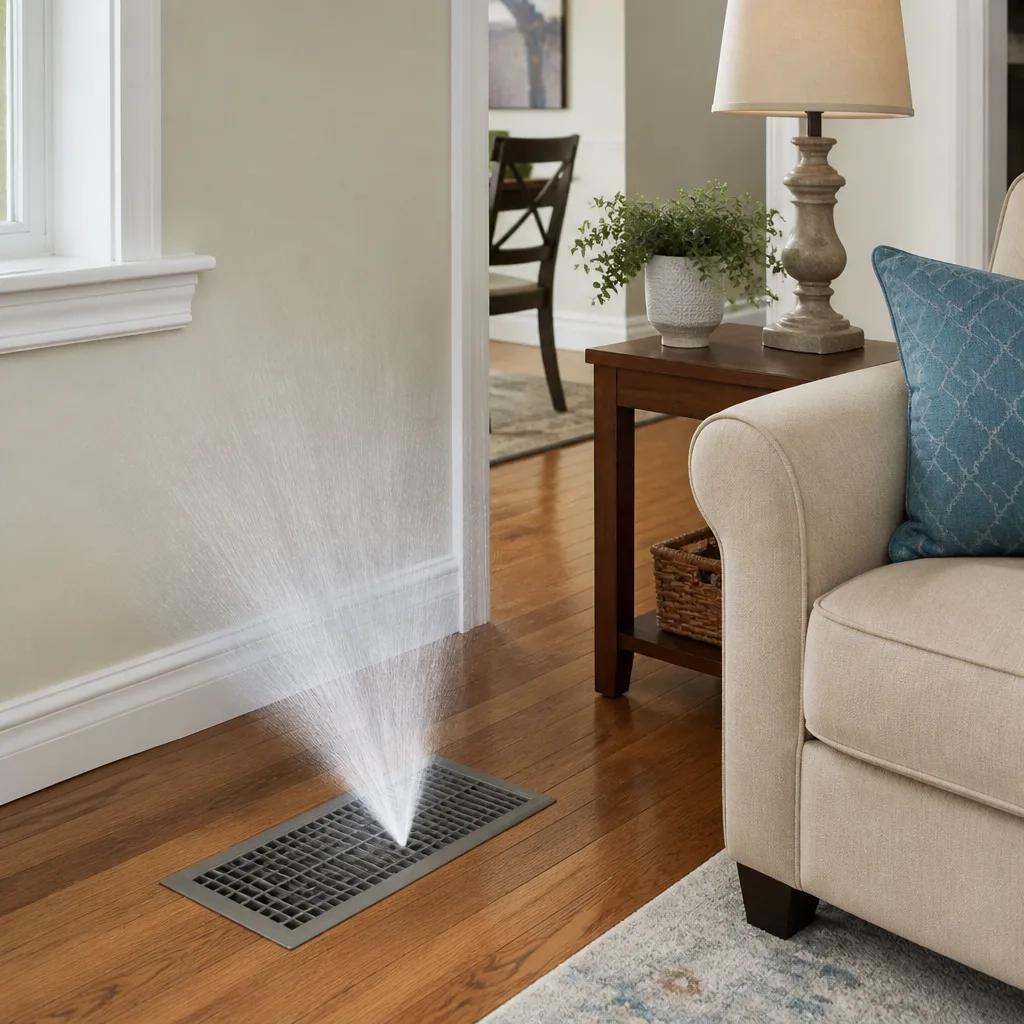 Sanitizing & deodorizing
Whole-system duct and dryer vent check with before-and-after photos - you see exactly what came out of your vents
That "$99 whole-house special" is a bait ad - the real number appears once they are in your hallway, or the "clean" is a shop-vac at the register. We photograph the inside of your ducts before and after instead.
Air Duct Cleaning Maintenance Checklist for Marysville Homeowners
There is no universal “every 3-5 years” rule for duct cleaning. That figure is a sales average, not a maintenance standard. The right interval for your Marysville home depends on five measurable conditions that most homeowners have never been told to check. This checklist is built around observable indicators, not arbitrary time intervals, so you can tell the difference between ducts that actually need attention and a salesperson who just wants a service call. Below you’ll find a room-by-room inspection you can run yourself, the post-wildfire-smoke markers that matter in Western Washington summers, filter reading as a proxy for duct health, and a documentation habit that gives you a verified baseline after every professional cleaning.
Quick Answer
Air duct cleaning in Marysville should be scheduled based on what you can observe, not the calendar: filter loading rate, visible debris at registers, musty or smoke odors, recent renovation dust, or a moisture event. Run the room-by-room inspection in this guide twice a year, log your filter changes, and clean when two or more indicators show up together. Homes with pets, recent remodels, or verified moisture issues should be checked more often than the general rule.
Styles & brands we work with
- Whole-home duct cleaning
- Dryer vent cleaning
- Camera inspection
- Sanitizing & deodorizing
Table of Contents
- Why There’s No Fixed Cleaning Schedule (and What to Check Instead)
- The Room-by-Room Inspection Checklist
- Post-Wildfire-Smoke Indicators for Western Washington Summers
- Reading Your Filter: The Best Proxy for Duct Condition
- Higher-Frequency Triggers: Pets, Renovations, Moisture
- What to Document After a Professional Cleaning
- What a Real Cleaning Job Looks Like
- Common Mistakes to Avoid
- When to Call a Professional
Why There’s No Fixed Cleaning Schedule (and What to Check Instead)
The “every 3-5 years” advice gets repeated so often that most homeowners assume it’s a code requirement. It isn’t. It’s a marketing figure that smooths out the wide variation between homes. A Marysville house with two adults and no pets living on a quiet street has a very different duct load than a rental property near the I-5 corridor with four dogs, ongoing remodels, and windows open during August smoke events. Treating those two homes the same way wastes money on one and lets contamination build up in the other.
The monitoring approach uses five conditions that actually predict duct contamination:
- Filter loading rate. How fast your filter fills up tells you how much debris is moving through the system. A filter that used to last three months and now needs changing in six weeks is a signal.
- Visible debris at supply registers. A thin film of dust on the grille is normal. Dust streaming out, dark streaks around the register boot, or settled debris on the floor below the vent is not.
- Odor. Musty, smoky, or “dirty sock” smells at the register indicate biological growth or accumulated debris in the ducts themselves, not just in the air.
- Recent disruption. Any renovation, HVAC replacement, roof work, or water event introduces a known contaminant load.
- Occupant symptoms. Morning congestion that clears once you leave the house isn’t proof of a duct problem, but it’s a legitimate reason to inspect.
When two or more of those show up together, that’s when cleaning is warranted. A single indicator alone rarely justifies a full duct cleaning. This is the entire logic behind the checklist: give yourself data first, then call. If you’re ready to book a proper air duct cleaning evaluation, we’re happy to walk through what you’ve observed before anyone commits to a job.
The Room-by-Room Inspection Checklist
Run this walkthrough twice a year – once in spring before the cooling season, once in fall before the furnace starts running for months straight. It takes about twenty minutes and gives you a clear picture of what your ducts are doing. Do it with a flashlight and a notepad, not a salesperson on the phone.
- Living room and main hallway. Shine the flashlight up into each supply register. Note any dust film, dark streaks, or actual debris at the edges of the grille. Look at the ceiling and walls within a few feet of the register for shadow marks or dust lines that suggest chronic airflow leakage.
- Each bedroom. Check the same supply registers. Look under the beds, especially if dust accumulates faster in one bedroom than another. The room with the heaviest dust load is often one with the longest or leakiest duct run.
- Return air grilles. The return is where the system breathes in. A return that looks visually dirty from the floor is a stronger signal than a dirty supply. Check the filter slot itself for dust spilling around the filter edges, which means air is bypassing the filter.
- Bathrooms and kitchen. Confirm the exhaust fans pull air (hold a tissue near the grille – it should hold). Duct cleaning doesn’t fix bathroom exhaust issues, but these are sources of moisture that affect the whole system when they’re undersized.
- Laundry room and utility closet. Check the dryer vent line for lint accumulation around the transition where the dryer meets the wall. This belongs to dryer vent cleaning, not duct cleaning, but it’s part of the same whole-home maintenance picture.
- Basement, crawlspace, or attic. If you can see any ductwork, look for disconnected joints, crushed flex runs, torn insulation wrap, or sagging elbows. These are repair items that will undermine any cleaning you pay for.
- The furnace and filter compartment. Pull your filter and inspect both sides. Note color, debris type (fuzz vs. gritty dust vs. dark staining), and the date it went in.
Write down what you find. Photograph any register with visible contamination. That record is what separates an informed call from a fishing expedition, and it’s what a legitimate contractor will ask about before quoting. Our technicians have up to 10 years of experience running this kind of assessment in homes across Marysville, and the first thing we ask is what the homeowner actually saw.
Post-Wildfire-Smoke Indicators for Western Washington Summers
Marysville sits in a basin where summer smoke events from regional wildfires settle and linger longer than they do on the coast. The Puget Sound lowlands can hold particulate for days after the source fires are out, and those particles are small enough to slip through standard filters and accumulate on duct surfaces. The result is a specific pattern of contamination that shows up in the months after a bad smoke season – and it’s the most underappreciated reason to inspect ducts in Marysville.
Watch for these indicators after any summer with significant smoke:
- Persistent smoke smell weeks after the air clears. If you can still detect smoke indoors in October when outdoor air is clean, the duct system is holding it.
- Filter discoloration pattern. Smoke-affected filters turn uniformly gray-brown rather than showing the patchy loading pattern of a normal season.
- Fine dark dust settling on horizontal surfaces. Wiping a windowsill or shelf where ash-colored dust keeps returning faster than usual is a sign that particles are being redistributed through the supply ducts.
- Increased morning congestion during and after smoke season in household members who didn’t have it before.
- Soot-colored staining around supply register gaskets. Check the edges where the grille meets the drywall – dark stains there are consistent with smoke particulate passing through.
One smoke season alone doesn’t always justify a cleaning, but three bad summers in a row is a legitimate trigger. If you’re seeing two or more of the indicators above, an inspection is the right next step. Homes that close windows and run the HVAC continuously during smoke season tend to show contamination faster because the system is pulling that air through and depositing particles on every duct surface it passes.
Reading Your Filter: The Best Proxy for Duct Condition
Your filter is the cheapest diagnostic tool you have. What it catches, what it doesn’t, and how fast it loads tells you more about duct condition than any visual inspection of the ducts themselves. The key is to read the pattern, not just change the filter and forget it.
Understanding MERV ratings. MERV stands for Minimum Efficiency Reporting Value, and it’s the filter industry’s standardized measure of what size particles a filter captures. A MERV 8 filter, which is common in residential HVAC, catches larger dust and pollen but lets fine smoke and mold spores pass. A MERV 11 or 13 catches more, but many residential blowers can’t move enough air through a higher-MERV filter without straining the system. Before you upgrade the filter, check what your furnace or air handler is rated for – going too high can reduce airflow and cause its own problems. Getting the rating right is one piece of HVAC cleaning that pays off every season.
Loading patterns reveal source. A filter that loads evenly across the whole surface is catching what’s moving through the return as intended. A filter that loads in one corner or along one edge means air is bypassing the filter at that spot – the filter frame isn’t sealed against the housing, and dust is flowing around it. That’s a duct-adjacent problem worth fixing, because the rest of the system is breathing unfiltered air. Wavy or buckled filters are usually a sign of restricted airflow, not duct dirt.
Rate of loading is the real signal. Start a simple log next to the filter compartment. Note the date, filter brand, and MERV rating every time you change it. After three cycles you’ll know your home’s baseline. If the interval between changes suddenly drops by 40% and you haven’t remodeled or adopted a pet, that’s an indicator the system is pulling more particulate from somewhere – the ducts are a reasonable suspect.
When we install whole-home filtration equipment from Honeywell and Aprilaire, the first step is always getting this baseline right, because filtration upgrades only help when the duct system underneath is doing its part.
Higher-Frequency Triggers: Pets, Renovations, Moisture
Some Marysville homes need checking twice as often as the general rule. Three conditions – pets, renovations, and moisture events – are reliable predictors of faster duct contamination, and each signals attention for a different reason.
Homes with pets
Pet dander and hair are heavier than dust and tend to settle in the return side of the system rather than the supply. A home with one cat is roughly equivalent to adding one more occupant to the dust load. Two or more pets, or any dog in the double-coated breeds common in the Pacific Northwest, meaningfully shortens the maintenance interval. Add a walkthrough check to your spring routine, and add a filter inspection monthly rather than quarterly during shedding season.
Recent renovations
Any drywall work, flooring replacement, cabinet install, or attic insulation job introduces construction dust into the return system faster than the filter can catch it. After a renovation, don’t just vacuum the rooms – inspect the returns and the filter housing. Dust visible in the return is a strong signal that some of it made it past the filter. Schedule a duct inspection within 60 days of finishing major work, and consider whether Marysville Air Duct Cleaning Co or another provider with HEPA-rated containment is a better fit for post-construction debris, since standard blower-only methods can spread that dust around rather than remove it.
Verified moisture events
This is the most important trigger on the list. A verified moisture event – a supply line leak, roof leak, crawlspace flooding, or persistent high humidity in the ducts – creates the conditions for mold growth inside the ductwork. If you’ve had water intrusion anywhere near the HVAC system, inspect immediately rather than waiting for your routine cycle. Elevated contamination scenarios are where Abatement Technologies air-purification equipment, the same class of gear used in remediation work, earns its keep; basic blower cleaning doesn’t address biological growth the same way.
What to Document After a Professional Cleaning
Every professional cleaning is an opportunity to establish a baseline for the next cycle. Skip the documentation and you’ll be starting from scratch in two years, with no way to tell whether the ducts degraded faster or slower than expected. Do it right and your next decision about cleaning is easy – you compare current condition to a known reference, not to a salesperson’s opinion.
After any duct cleaning, document these five things:
- Date and scope of work. Note which systems were cleaned (furnace, supply, return, all branch runs), and whether repair or sealing was done at the same time.
- Before-and-after photographs of your own registers. A professional provider will photograph each register before and after. Keep those images with your maintenance log – they’re the cheapest proof that the work was actually performed.
- Filter change date and MERV rating. Whatever filter went in immediately after cleaning sets the new baseline. Note it precisely, since loading-rate comparisons depend on identical filters.
- Any repairs made. Disconnected joints, sealed leaks, replaced flex runs – all of it belongs in the record, because repaired connections hold their seal better and longer than original ones.
- Condition notes from the technician. Ask for a written note about anything unusual the technician saw: heavy debris in one branch, evidence of moisture, compromised insulation wrap. That’s the reference point for the next inspection.
The whole point is verifiability. Contact cleaning with negative-air capture – brushing debris loose while HEPA equipment holds it at the source – produces a result you can see at each register. A “whole system” cleaning that only blows air around leaves no photographic evidence and no clear scope. Ask for both before anyone starts.
What a Real Cleaning Job Looks Like
The method matters as much as the checklist does. Since the homeowner’s biggest worry about duct cleaning is being upsold on something that doesn’t actually happen, it helps to know the difference between a legitimate job and a bait-and-switch. In our experience, the difference comes down to two things: contact cleaning and containment.
Contact cleaning is physical agitation. The Rotobrush system uses a rotating brush head that travels through the ductwork and dislodges debris from the interior walls. It’s the same contact-cleaning platform used in commercial duct work, because blowing air through a duct doesn’t remove the settled film that builds up over years. Any cleaning method that relies on air pressure alone leaves that film behind.
HEPA-rated negative-air containment captures what’s loosened. While the brush is agitating the duct surface, negative-air equipment – Nikro HEPA-rated systems, in the equipment we use – holds the loosened debris in a filtered containment zone. That’s the mechanism that prevents cross-contamination into the living space. Hospital and remediation work runs on HEPA containment for a reason; residential cleaning deserves the same standard.
Repair and sealing make the clean last. Leaks and disconnected joints let new contaminants back in within weeks of a cleaning. Sealing the leaks as part of the service is what our team means when we talk about clean ducts that stay clean. If a provider quotes a duct cleaning but skips the sealing step, the result half-works by design.
Whole-home filtration closes the loop. Whole-home air quality products from Honeywell and Aprilaire – installed with the cleaning, not as a separate project – raise the system’s ongoing filtration without overloading the blower. The goal is a duct system that stays clean between cleanings, not one that needs cleaning every year.
Common Mistakes to Avoid
- Following the “every 3-5 years” calendar rule. The figure is an average, not a prescription. Your Marysville home’s actual interval should come from filter data, register inspection, and the trigger list in this guide.
- Hiring on price alone. A quote that’s dramatically lower than the others usually means a blower-only cleaning with no containment. That method spreads dust into the living space and leaves the duct film intact, so you pay twice when you eventually get a real cleaning.
- Letting a renovating contractor “just run the HVAC” to clear dust. This pulls construction dust into every branch of the system and overloads the filter within hours. Seal off returns during renovation and inspect afterward – don’t rely on the system to clear itself.
- Skipping the dryer vent in a duct cleaning call. The dryer vent is a fire-risk reduction service, not an add-on. If you’re already booking a technician for duct work, get the vent line inspected in the same visit rather than scheduling separately.
- Assuming a higher-MERV filter is always better. Many residential furnaces can’t push enough airflow through a MERV 13 filter without strain. Check the equipment rating before upgrading, or you’ll trade duct dirt for a system that runs hot and shortens its own life.
- Ignoring duct leaks because the cleaning “looked thorough.” A clean system with leaking joints pulls outdoor air – and whatever is suspended in it, including summer smoke – back into the ducts. Sealing is part of the maintenance cycle, not a separate service.
- No documentation. Without before-and-after photos and a filter change log, you have no way to verify the work, and no reference for the next cycle. Two years later you’ll be starting over.
When to Call a Professional
Call for an inspection when you’ve found two or more indicators on this list, when a home has been through a significant wildfire-smoke summer, when you’ve finished a major renovation, when a moisture event has touched the HVAC system, or when you’ve moved into a home with no maintenance records. Call sooner if you can see visible mold growth in the return or hear an unusual rattle that might be a disconnected duct. Those are not DIY items. Marysville Air Duct Cleaning Co offers free estimates in Marysville – call (888) 847-8751. We answer 24/7. Fast dispatch from 7am to 7pm, Sunday through Friday. The estimate is free and the price is set per job by the written estimate, so there’s no per-vent pricing and no bait-and-switch at the door.
See the difference
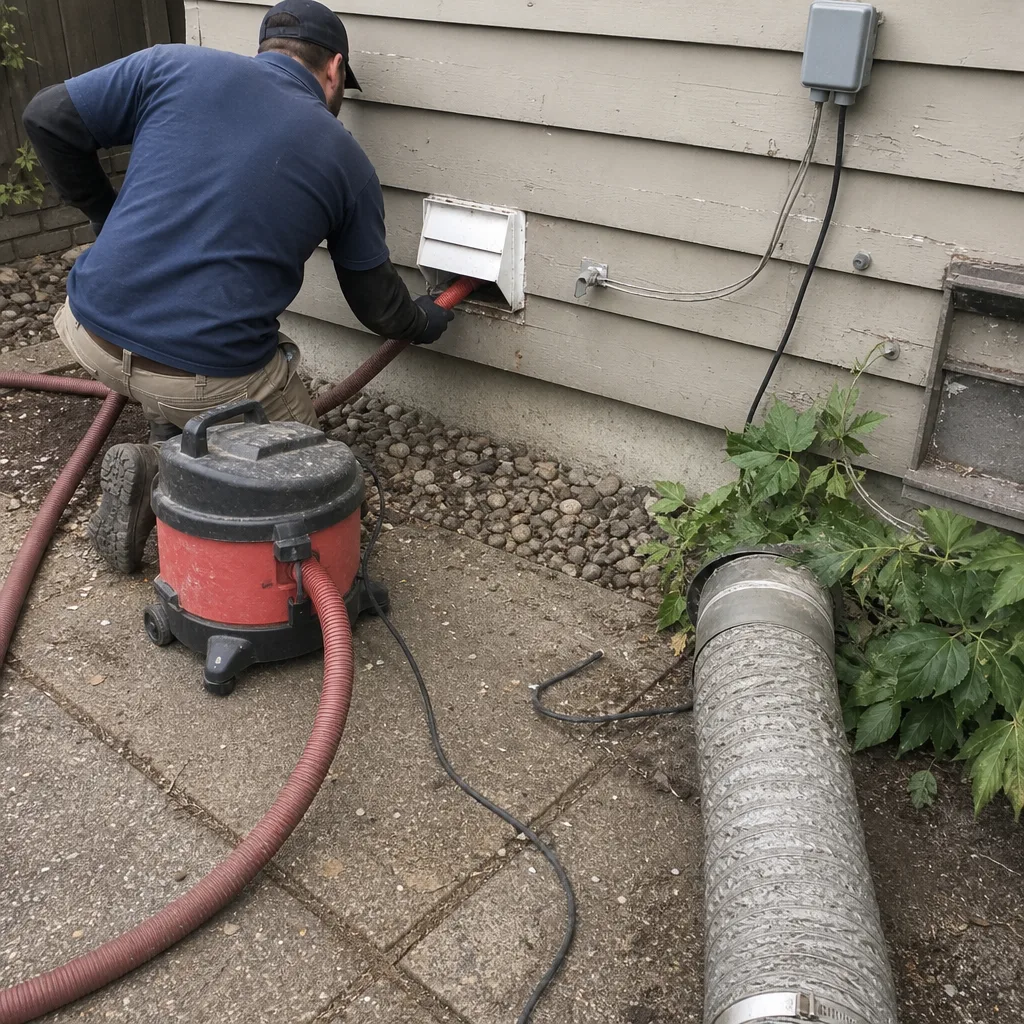 Before
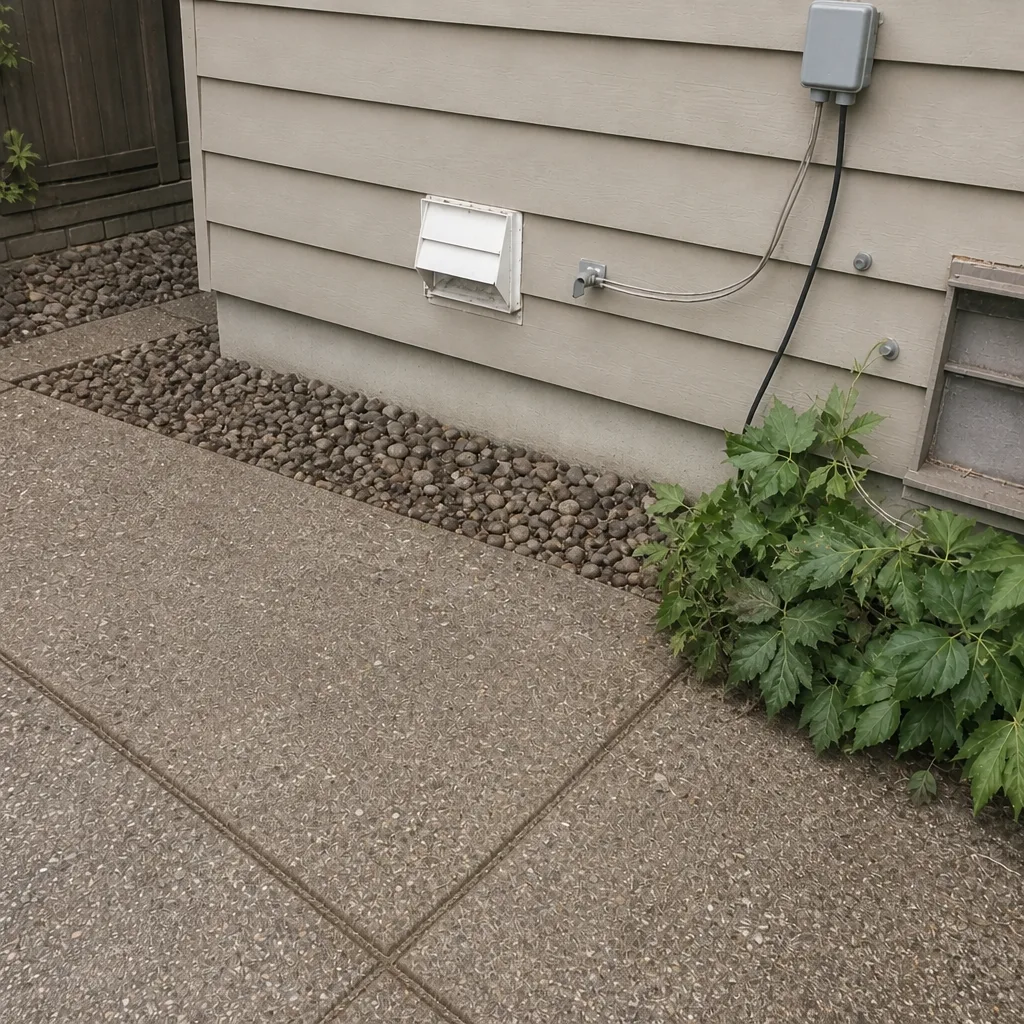 After
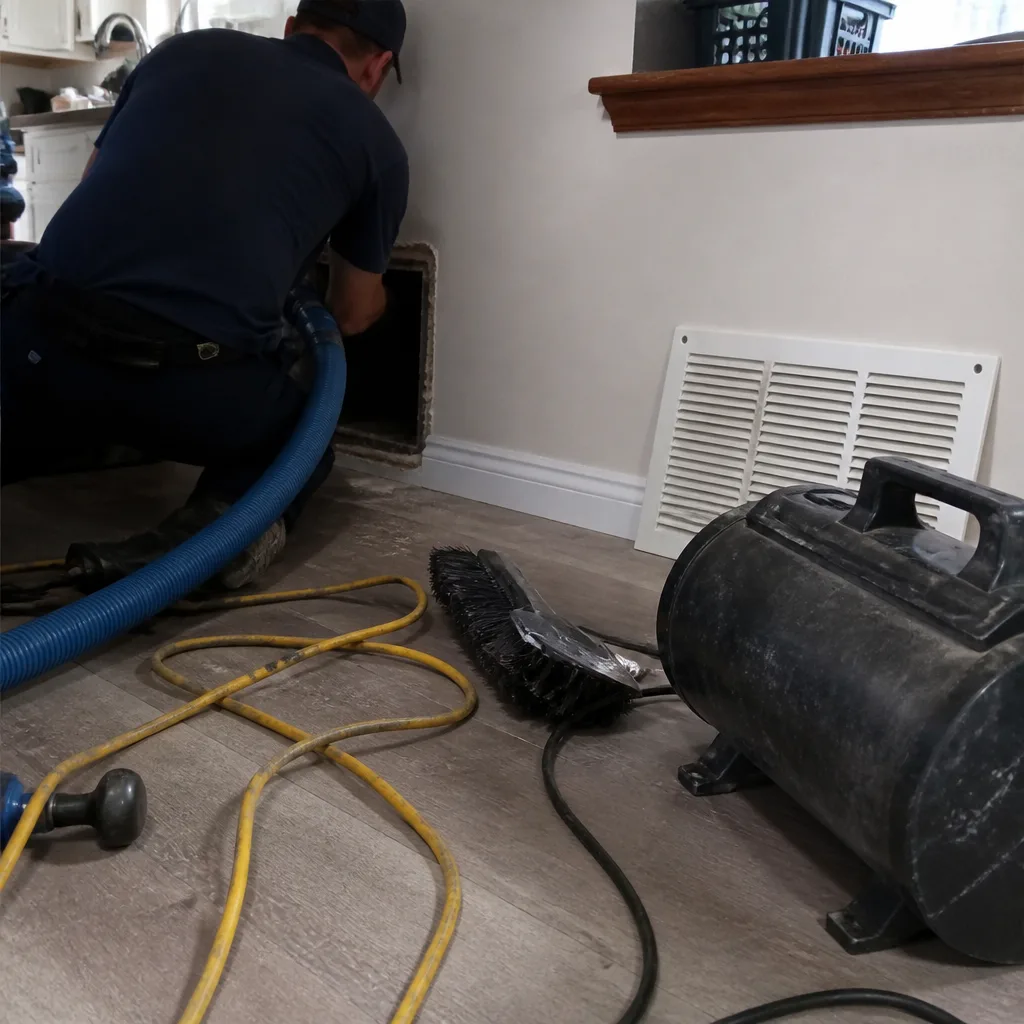 Before
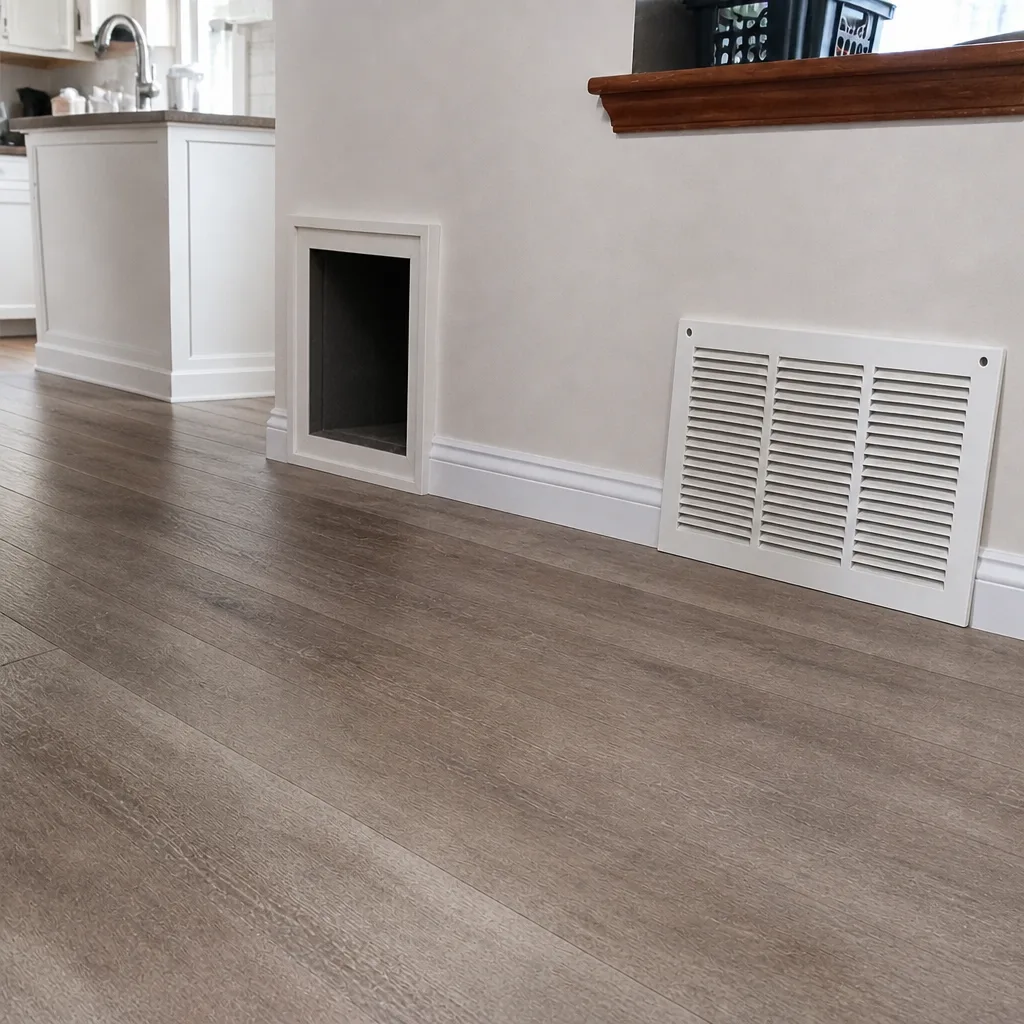 After
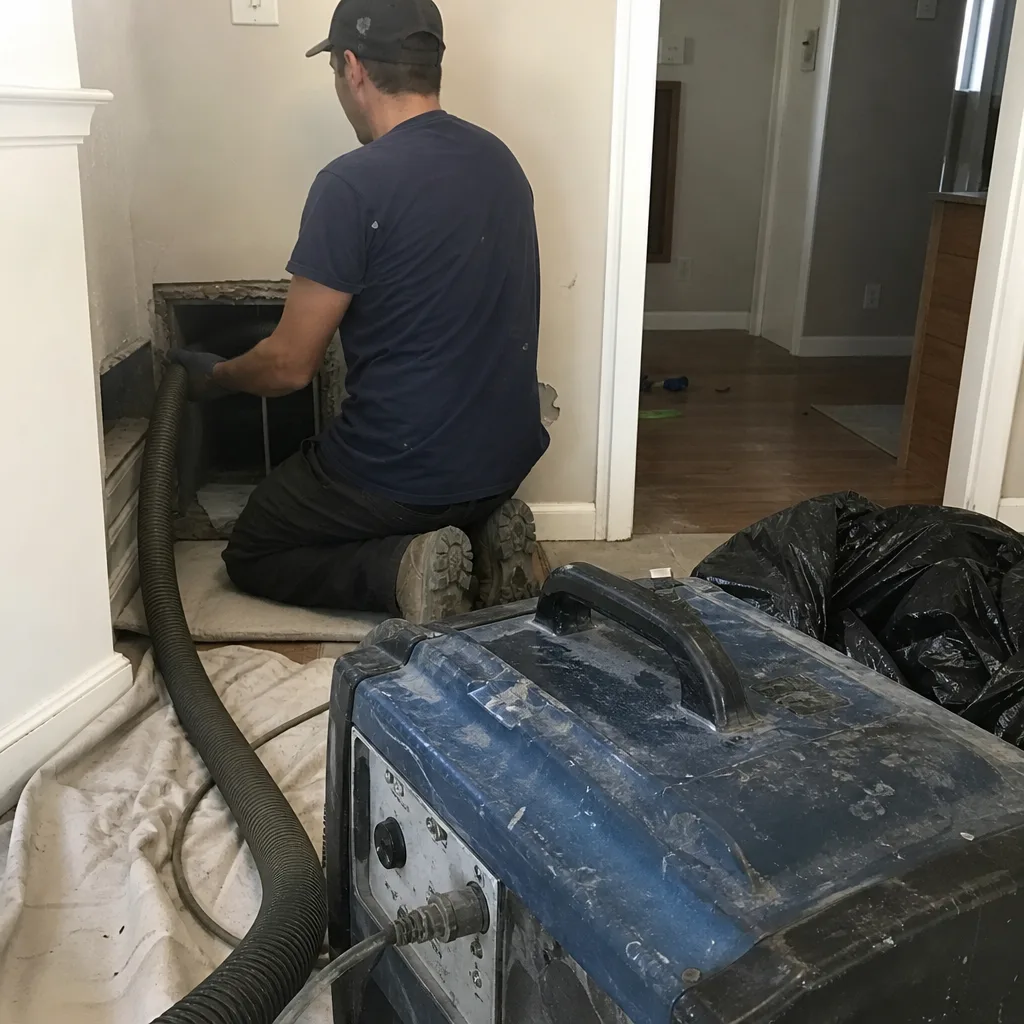 Before
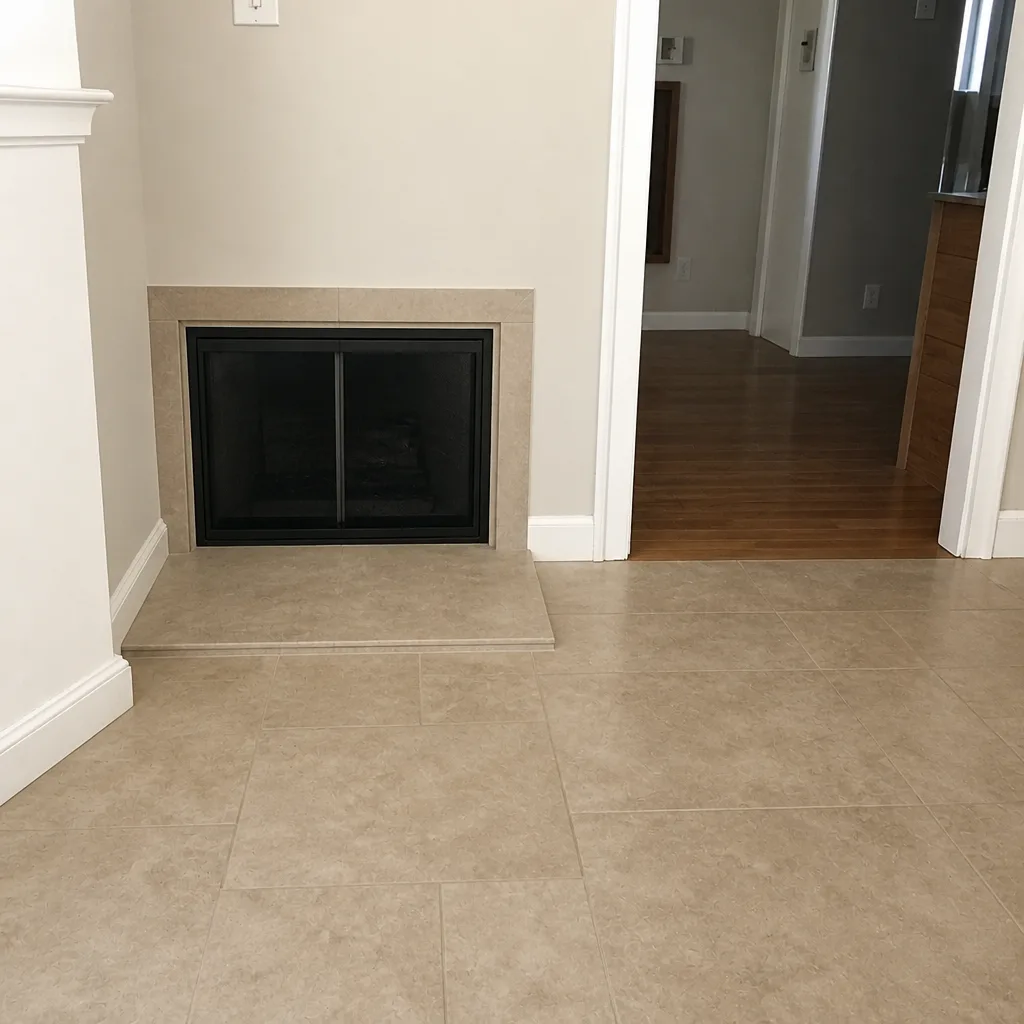 After
Frequently Asked Questions
Most Marysville homes do well with cleaning once every 4-7 years if no triggers are present, but the actual interval is set by observation, not the calendar. Homes with pets, recent renovations, or a moisture event need checking every two years or so. Run the room-by-room inspection twice a year and let the indicators drive the decision. Call (888) 847-8751 for an exact quote – estimates are free.
We don’t quote a single national figure, because the honest answer is that price depends on system size, number of branch runs, and whether repair or sealing is needed. What you should expect is one flat price per system agreed before work starts, based on a written estimate from your inspection. Any provider offering a per-vent price or a teaser coupon hasn’t actually assessed your system. Call (888) 847-8751 for an exact quote – estimates are free.
Cheap quotes usually skip containment or use a blower-only method that loosens dust without capturing it, so it resettles in the rooms or coats other duct surfaces. They also tend to quote a low coupon figure and expand the invoice once the technician is on-site with a scope change. We work on one flat price per system, agreed before work starts, with before-and-after photos of your own ducts. Call (888) 847-8751 for an exact quote – estimates are free.
Ask for before-and-after photographs of every register, a written scope of work, and a technician condition note at the end. Legitimate contact-cleaning with HEPA-rated negative-air containment produces visible results at each register, and a provider using Rotobrush or equivalent equipment should be able to show you what was removed. Detailed photo documentation is standard on our jobs. Call (888) 847-8751 for an exact quote – estimates are free.
Yes, when indicators confirm it. Western Washington summers often bring smoke that lingers in the lowland basin for days, and the fine particles slip past standard filters to accumulate on duct surfaces. If you’re still smelling smoke indoors weeks after outdoor air clears, or seeing fine dark dust that keeps returning to horizontal surfaces, that’s an inspection trigger. Call (888) 847-8751 for an exact quote – estimates are free.
No – a shop vacuum doesn’t have the negative-pressure containment to hold loosened debris, and it can’t reach the interior duct film the way a rotating brush system does. Instead of cleaning, it tends to redistribute debris into the rooms and into other branches. The right DIY move is the inspection checklist in this guide, not the cleaning itself. Call (888) 847-8751 for an exact quote – estimates are free.
The Bottom Line
There’s no fixed cleaning schedule that fits every Marysville home. The interval comes from observation: how fast your filter loads, what you see at the registers, whether you’re smelling smoke or mustiness, whether you’ve had a renovation or a moisture event. Run the room-by-room checklist twice a year, log your filter changes so loading rate is measurable, and document every professional cleaning with before-and-after photos so the next cycle starts from a known baseline. When two or more indicators line up, call for an inspection. A real duct cleaning removes contamination and seals the leaks that let it back in – that’s the standard, and it’s what you should be paying for.
If your checklist is showing indicators and you want a professional assessment, call Marysville Air Duct Cleaning Co at (888) 847-8751. We answer 24/7. Fast dispatch from 7am to 7pm, Sunday through Friday. Free estimates, one flat price per system agreed before work starts, and before-and-after photos so you can verify the result. Our technicians have up to 10 years of experience, and we’re ready to walk through what you’ve found.
Written by the team at Marysville Air Duct Cleaning Co.