
Last updated November 25, 2026
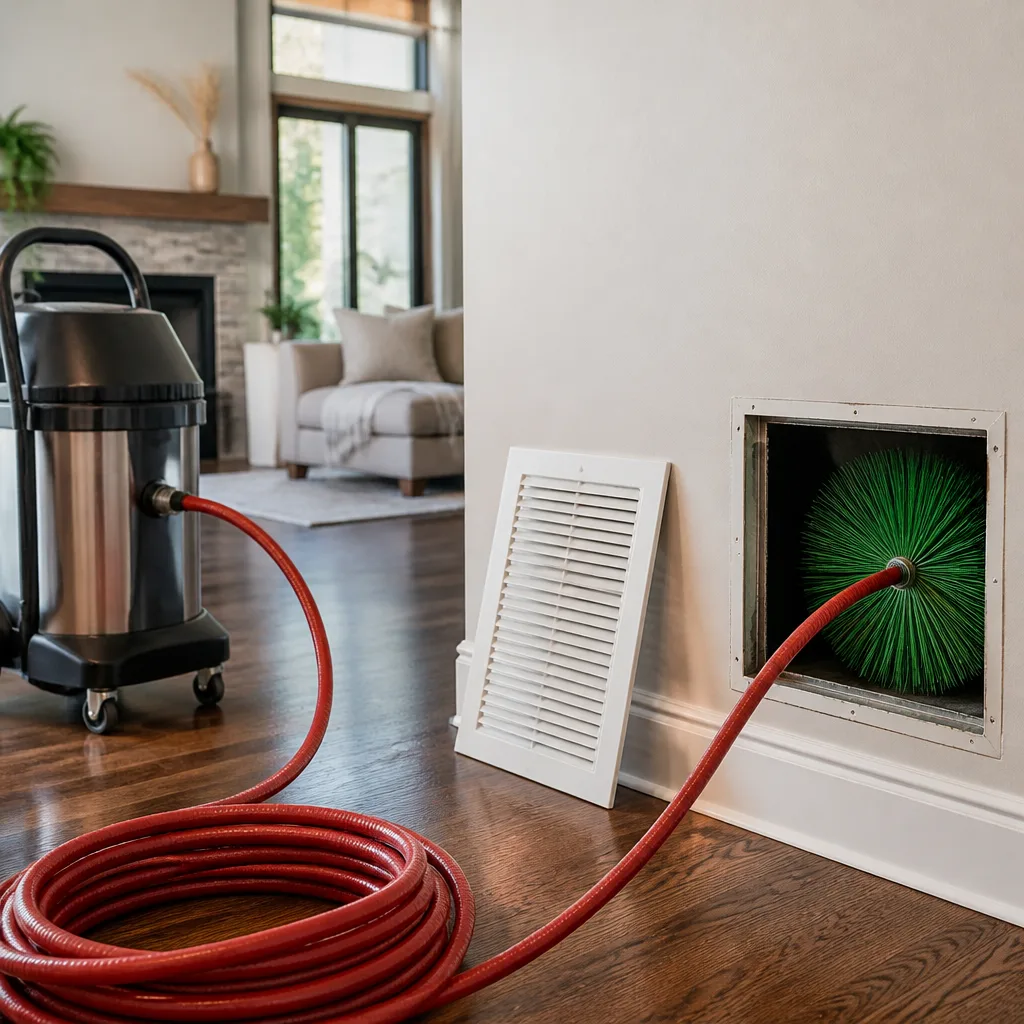 Whole-home duct cleaning
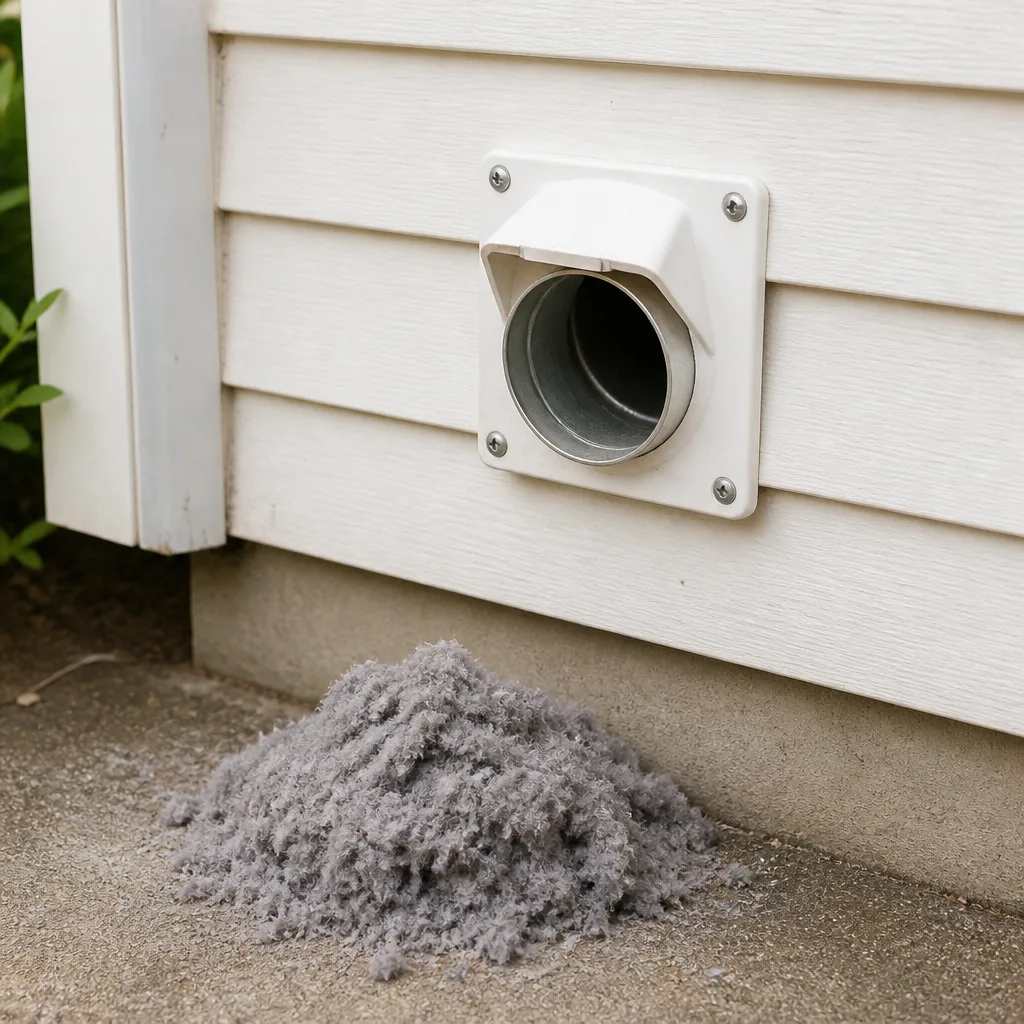 Dryer vent cleaning
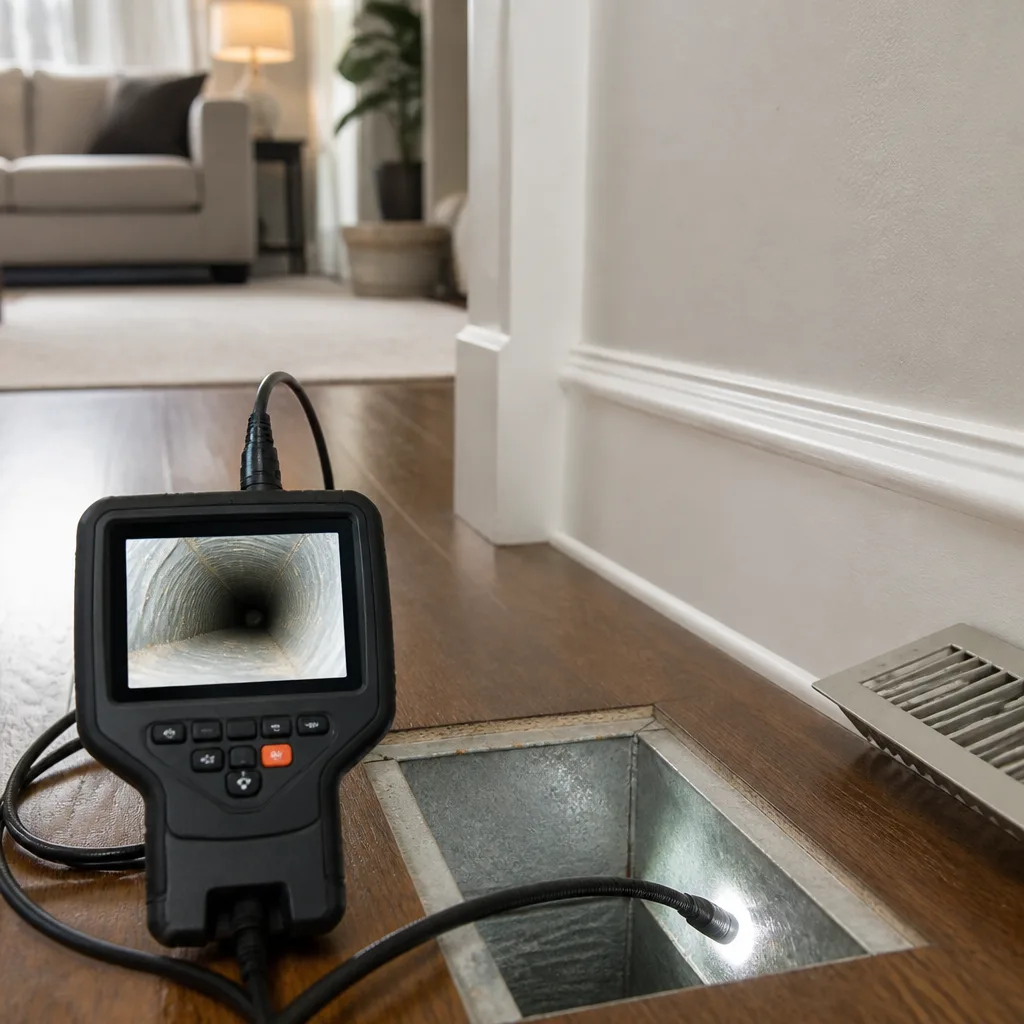 Camera inspection
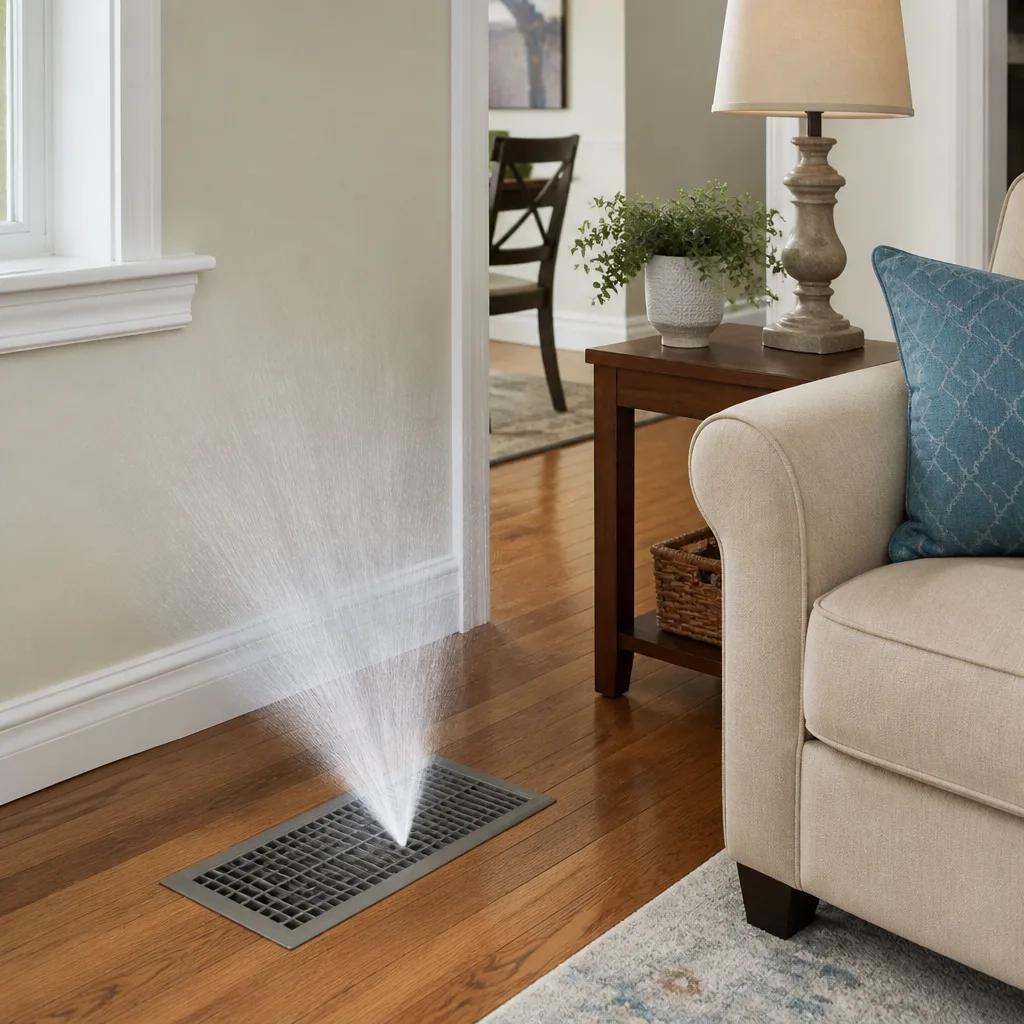 Sanitizing & deodorizing
Whole-system duct and dryer vent check with before-and-after photos - you see exactly what came out of your vents
That "$99 whole-house special" is a bait ad - the real number appears once they are in your hallway, or the "clean" is a shop-vac at the register. We photograph the inside of your ducts before and after instead.
Air Duct Cleaning Permits, Codes & Inspections in Marysville, WA: What You Need to Know
Cleaning a duct system is maintenance. Altering that system is regulated construction work. Those two things get blurred together on plenty of service calls, and the blurring costs homeowners later. A technician arrives for routine cleaning and, somewhere between the register and the invoice, a conversation starts about sealing every joint with mastic, cutting a new access panel into a return trunk, or dropping a UV purifier into the supply plenum. Some of that is ordinary maintenance. Some of it is mechanical work that Washington State expects to be permitted and performed by a licensed contractor. This guide draws the line clearly, explains what Snohomish County records actually show, and tells you what an inspector looks for during a home sale in Marysville.
Quick Answer
Air duct cleaning itself does not require a permit in Washington State. It’s classified as maintenance, not construction. But connected work does: duct sealing with mastic on major trunk lines, cutting new access panels into ductwork, installing UV purification systems, and replacing sections of rigid duct are mechanical alterations subject to Washington’s mechanical code. If a contractor modifies the system, a permit is typically required and the work must be done by a licensed mechanical contractor. Ask which category your job falls into before anyone starts.
Styles & brands we work with
- Whole-home duct cleaning
- Dryer vent cleaning
- Camera inspection
- Sanitizing & deodorizing
Table of Contents
- Cleaning vs. Modification: Where Washington Draws the Line
- Which Add-On Services Cross Into Permit Territory
- What WAC 51-52 Actually Governs
- Using Snohomish County’s Permit Records to Verify Prior Work
- What an HVAC Inspection Looks For During a Home Sale
- Duct Cleaning Technician vs. Home Inspector: Different Jobs
- The Liability You Carry When Unlicensed Work Happens Under the Banner of Cleaning
- Marysville-Specific Considerations
Cleaning vs. Modification: Where Washington Draws the Line
The distinction is simpler than it sounds. Cleaning removes material from inside a system that already exists. Modification changes the system itself. Washington’s building and mechanical codes care about the second category because it affects air distribution, combustion safety, energy performance, and structural integrity of the home.
Here’s how the two categories typically split for a residential job in Marysville:
- Maintenance (no permit): Source removal cleaning of supply and return ducts, register and grille cleaning, sanitizing the interior of ductwork with an approved product, dryer vent cleaning, coil cleaning, and routine filter changes.
- Mechanical work (permit typically required): Adding or relocating duct runs, cutting a new access opening into a rigid trunk line, replacing a significant section of duct, installing powered ventilation or UV purification equipment that ties into the electrical system, and major sealing projects that alter the system’s rated air distribution.
The tricky middle ground is duct sealing. Sealing individual leaks at accessible joints is generally treated as maintenance. Sealing an entire trunk line system with mastic, particularly when it changes the system’s static pressure or requires new access, crosses into mechanical alteration. That’s the point at which a permit and a licensed mechanical contractor come into the picture. For general cleaning work that stays firmly on the maintenance side, see air duct cleaning.
Why does this matter so much in Marysville specifically? Because the local housing stock runs heavily toward mid-century and 1990s tract homes with rigid galvanized ductwork. When a home has original ductwork and someone proposes a “seal everything” package, that job is far more likely to involve cutting access and manipulating the system than the same conversation would be on a newer home with accessible flex duct. In older Marysville homes, we always ask which side of the line the proposed work falls on before scheduling anything.
Which Add-On Services Cross Into Permit Territory
This is where most homeowners get surprised. A cleaning visit that started at one price can end with a scope of work that should have had a permit. Here are the add-ons that commonly appear on the upsell list, and how each one usually classifies in Washington State.
Duct Sealing With Mastic
Spot-sealing accessible leaks is maintenance. Full-system mastic sealing on supply and return trunk lines, particularly when the work requires new access openings or affects a mechanical system’s rated performance, is typically mechanical work. If a contractor proposes “seal every joint in the house,” ask whether a permit is required and who holds the mechanical license. For related work on the equipment side, see HVAC cleaning.
New Access Panels
Cutting a new opening into a rigid duct trunk to reach a zone that wasn’t previously accessible is a structural change to the duct system. That work generally requires a permit and it definitely requires a proper seal when closed. Homeowners should ask how the panel will be sealed and whether the contractor carries the appropriate license for the modification.
UV and Air Purification System Installation
Adding a UV purifier, electronic air cleaner, or powered ventilation device that wires into the electrical system is both a mechanical and an electrical modification. These installations are almost always permitted-class work. We install Honeywell and Aprilaire whole-home air quality products, and those installs belong in the hands of a properly licensed contractor with a pulled permit.
Duct Liner Replacement
Replacing interior duct lining, particularly in systems where the lining has failed or become contaminated, is a mechanical alteration. It’s a legitimate service, and legitimate liner replacement is not the same thing as a cleaning upsell.
System Rebalancing or Damper Addition
Adding balancing dampers or rebalancing airflow across zones changes the system’s distribution. This is mechanical work that should be planned, permitted, and performed by someone who understands static pressure and airflow calculations.
None of this means you shouldn’t have any of these services done. It means you should know which one you’re buying and confirm the permit and licensing are in order before the invoice arrives.
What WAC 51-52 Actually Governs
WAC 51-52 is Washington’s adoption of the International Mechanical Code. In plain terms, it’s the section of the state administrative code that regulates how mechanical systems in buildings are designed, installed, altered, and inspected. It’s the framework behind permits and inspections for HVAC work.
What the code covers with respect to ducts and air distribution:
- Duct construction, materials, and installation requirements
- Sealing requirements for duct systems based on pressure class and location
- Clearances from combustible materials
- Access requirements for inspection and maintenance
- Requirements for mechanical ventilation, including kitchen and bath exhaust
- Standards for air distribution system changes
What it does not regulate: cleaning. There is no state-level requirement that duct cleaning be performed by a licensed contractor, no specific licensing category for duct cleaning alone, and no permit required for standard source-removal work. That’s the regulatory gap that lets cut-rate operators function. A company can clean ducts legally with a shop vacuum and a blower, and Washington won’t intervene until something is modified or damaged.
If your proposed work involves structural modification, new equipment tied into the electrical system, or replacement of any part of the duct assembly, the WAC 51-52 framework applies. When in doubt, call the City of Marysville’s building department or Snohomish County directly and describe the scope. They’ll tell you in one conversation whether a permit is needed. That phone call takes ten minutes and it protects you from an unrecorded alteration on your home.
Using Snohomish County’s Permit Records to Verify Prior Work
If you’re buying a home in Marysville, or you’ve just inherited a house whose HVAC history you don’t know, Snohomish County’s online permit lookup is the tool that answers questions the seller might not. Here’s how to use it, step by step.
- Open the Snohomish County permit search. The county maintains an online permit portal covering unincorporated Snohomish County and, in most cases, permits issued through the county for the city of Marysville. Ask the seller or realtor for the property’s parcel number before you start; it makes the search more accurate than a street address search.
- Search by address and by parcel number. Run both. Address records sometimes have suffix variations or abbreviations that hide a permit, and parcel search is the cleaner method.
- Filter for mechanical or HVAC permits. Look at the permit type column. Mechanical permits, HVAC replacement, and alteration permits are the categories relevant to duct and air handling work.
- Check the issue date against the seller’s claims. If the seller says a UV system or new duct run was added two years ago, the permit should show up in that timeframe. If the work exists but no permit does, that’s a legitimate line of questioning.
- Look for final inspection status. A permit “issued” is not a permit “closed.” A permit that was never finaled means the work may never have been inspected, and a final inspection is where unpermitted or improperly executed work usually gets caught.
- Cross-reference with the disclosure statement. Washington requires sellers to disclose known material facts. Unpermitted modification is exactly the kind of thing that should be in that disclosure if the seller knew about it.
- Ask for a written explanation for anything missing. Not every legitimate installation has a permit (some maintenance work doesn’t require one), but anything that looks like a mechanical alteration should have a paper trail.
This same lookup process works for homeowners verifying their own property’s history, particularly in Marysville neighborhoods where a home has passed through several owners and the HVAC records have gotten muddled.
What an HVAC Inspection Looks For During a Home Sale
A home inspection during a sale is a generalist survey. The inspector will look at the HVAC system as one component among many, and their notes on ductwork tend to focus on observable problems rather than cleaning condition. Here’s what they’re likely to flag:
- Loose, disconnected, or damaged duct runs. Ducts hanging loose in a crawlspace or attic, disconnected at joints, or crushed by stored materials get called out.
- Visible unsealed joints or damaged insulation. Especially in unconditioned space.
- Improperly sealed penetrations. Cuts in ductwork that have been left open or taped rather than properly sealed.
- Missing access panels or panels sealed improperly. A panel that was cut in and then taped over is a common flag.
- Condensate and drain issues. Unrelated to cleaning but part of the system.
- Equipment age and condition. Not the ducts themselves.
- Ventilation adequacy. Bath and kitchen exhaust functioning as intended.
What an inspector will not do: assess the cleanliness of the duct interior. The inspector can’t see inside the system without cutting an access or using specialized lighting, and their job description doesn’t require it. A dirty duct system can pass a home inspection. An unpermitted seal job or an access panel installed without the proper permit and inspection will often surface at resale, especially if the buyer’s agent runs the county permit search.
In Marysville, this matters because the local market has plenty of homes built between 1965 and 1995 where the original ductwork is still in place. Those systems see plenty of “improvements” over thirty years, and the ones that were properly permitted and finaled tend to hold value best.
Duct Cleaning Technician vs. Home Inspector: Different Jobs
It’s easy to assume a duct cleaning technician and a home inspector are doing related work. They’re not. Understanding the difference tells you which one to call for which question.
A duct cleaning technician works inside the system. We’re there to remove debris from the ducts, clean the supply and return registers, sanitize where appropriate, clean the air handler and evaporator coil area as part of the scope, and verify the work with before-and-after images. Our technicians use a Rotobrush contact-cleaning system to physically agitate debris off the duct walls, and Nikro HEPA-rated negative-air equipment to capture it at the source. They can identify visible problems with ductwork, disconnected runs, or signs of contamination, and they can recommend repair or sealing where appropriate. They cannot issue a report that carries the weight of a licensed mechanical inspection, and they shouldn’t pretend to.
A home inspector surveys the home broadly. Their observations are the generalist view. They typically don’t pull permits, they typically don’t open ductwork, and they typically don’t measure airflow. They illuminate problems, they don’t confirm code compliance.
A licensed mechanical contractor or an inspector from the permitting authority is the only person who can legitimately say whether mechanical work complies with WAC 51-52, whether it required a permit, and whether the work was properly executed. If a modification was made, this is the person whose sign-off matters.
Mixing these roles up is how a homeowner ends up thinking a cleaning technician’s verbal assurance is a substitute for a proper inspection. It isn’t. When you’re making a purchase decision on a Marysville home, both conversations are worth having.
The Liability You Carry When Unlicensed Work Happens Under the Banner of Cleaning
Here’s the uncomfortable part. If an unlicensed worker performs permitted-class work on your home under the banner of cleaning, the liability for that work lands on you, not on the worker. That’s true in Marysville and it’s true everywhere in Washington.
Three specific exposures to understand:
- Disclosure obligations at resale. You’re required to disclose known material facts about the property. If you discover later that a modification was unpermitted, that’s a disclosure obligation. Not mentioning it when you sell invites a dispute.
- Insurance complications. If a fire or property damage event happens that traces back to an improperly installed mechanical device (say, a UV system wired into the electrical panel incorrectly), your homeowner’s insurance may investigate whether the work was done properly and whether the contractor had appropriate coverage.
- Permit records. County records are public. A buyer, their agent, or their inspector can pull the permit history. An unrecorded modification shows up as a gap.
The cleanest way to avoid this is to ask three questions before anyone starts work on your home: who holds the license, are you pulling a permit, and what’s the final inspection process. If the answer to the first one is vague, walk away. If the answer to the second is “you don’t need a permit for that,” ask them to put it in writing. In our experience, contractors who know the code are happy to answer that question clearly. The ones who dodge it usually don’t want you looking at the paperwork.
For a fully compliant scope of work, the honest answer may be that part of the job is cleaning and part of the job is mechanical work that requires a permit. The right response is to split the scope, hire the right person for each part, and make sure the mechanical portion is done by a licensed contractor with a permit on file.
Marysville-Specific Considerations
Marysville’s climate and housing stock shape what duct work issues actually look like in the city, and that affects how permit questions play out in practice.
The Pacific Northwest climate means a long, damp heating season from roughly October through April, and short, mild summers where the HVAC system often sits idle. Houses that heat heavily for six months of the year see high dust accumulation in return ducts and heavy load on filtration systems. That’s one reason we recommend whole-home filtration upgrades from brands like Aprilaire alongside cleaning, so the filter housing and the duct system work together.
The Marysville housing mix matters too. The city has homes dating from the post-war era through recent construction, with a substantial stock of homes built in the 1970s, 1980s, and 1990s. Ductwork in those homes has often seen at least one round of “improvement” over the years, some of which was permitted and some of which wasn’t. On any given week in Marysville we see duct systems with:
- Original galvanized trunk lines with taped-over joints where a leak was patched
- Add-on flex runs added to reach a room that was originally unwarmed
- Access panels that were cut in during a cleaning and never properly reinstalled
- UV systems added without a mechanical permit
Those are the pieces a buyer’s agent will find when they run the county permit lookup. The good news is that each one can be addressed with proper paperwork and qualified work. Duct repair and sealing done correctly, and properly permitted where required, is a legitimate way to make a system perform better and stay clean. When we recommend our duct repair and sealing work, we specify whether the scope stays in maintenance territory or crosses into mechanical alteration, and if a permit is required we tell you so upfront. That boundary is what separates real duct work from an upsell pitch.
The Snohomish County permit records show that most properly permitted HVAC work on Marysville homes is on record and easily found. Where the record is thin is the smaller “improvement” work that somehow gets skipped. That’s the pattern to look for, and it’s the one to ask questions about. For a related service with its own safety dimension, dryer vent cleaning is worth a look, because dryer vents fall under a separate but related fire-safety concern that home inspectors consistently flag.
Common Mistakes to Avoid
- Accepting a verbal “you don’t need a permit for that” without verification. Call the City of Marysville or Snohomish County and ask about the specific scope. The answer takes minutes and it’s authoritative.
- Letting a cleaning visit turn into a mechanical modification without renegotiating the scope. If the technician proposes new access, mastic sealing, or a UV install mid-visit, stop and re-set the terms in writing including who pulls the permit.
- Confusing a cleaning technician’s clean bill of health with a mechanical inspection. A clean system and a code-compliant system are two separate things.
- Skipping the Snohomish County permit lookup when buying a Marysville home. Buyers who run it catch unpermitted work before closing. Buyers who skip it find out at resale years later.
- Assuming “sealed” means “permitted.” A properly sealed access panel and a permit-approved modification are different sign-offs. Ask for both.
- Hiring on price alone and never asking about licensing or insurance. The cheapest quote on permitted-class work is usually the one that skips the paperwork, and the liability is yours.
- Letting an unpermitted modification sit unresolved. If you discover one, address it. Retroactive permitting is doable in many cases and the cost of doing so protects your home’s value.
See the difference
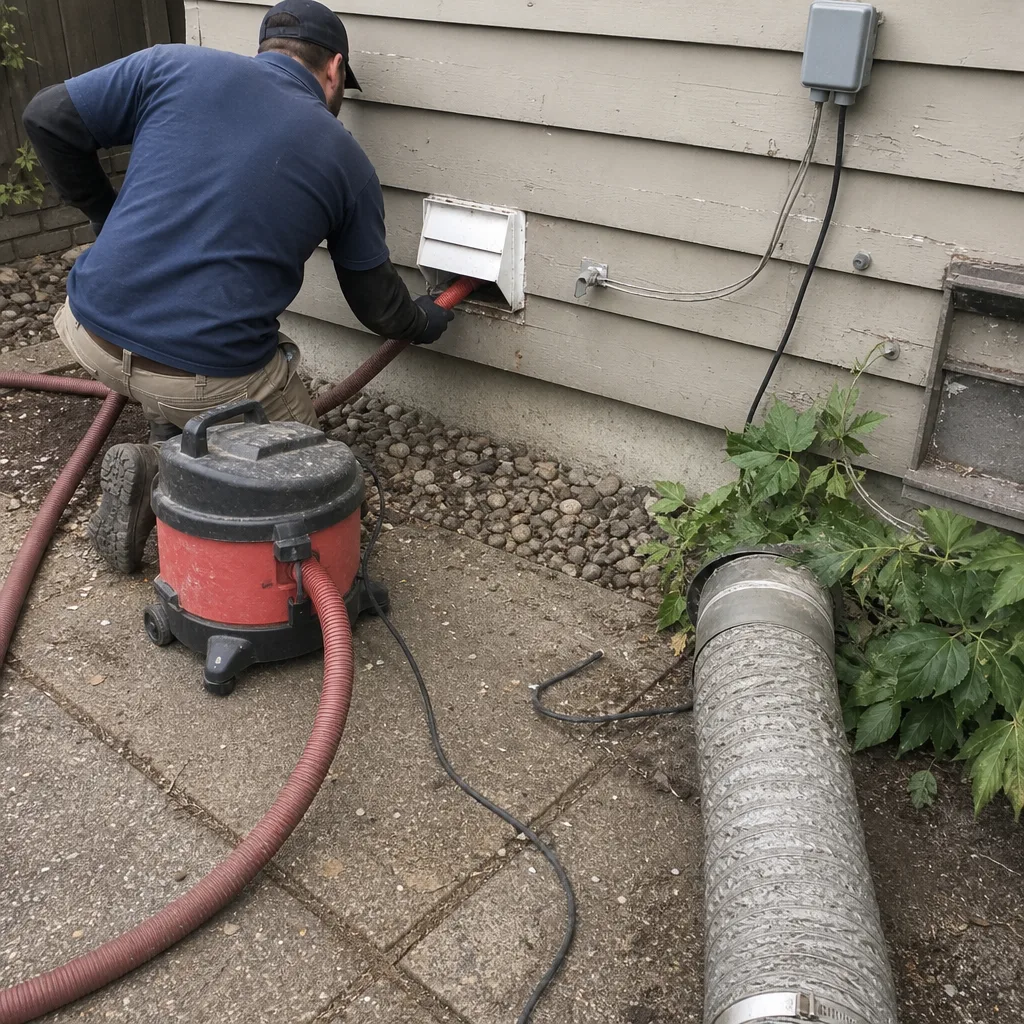 Before
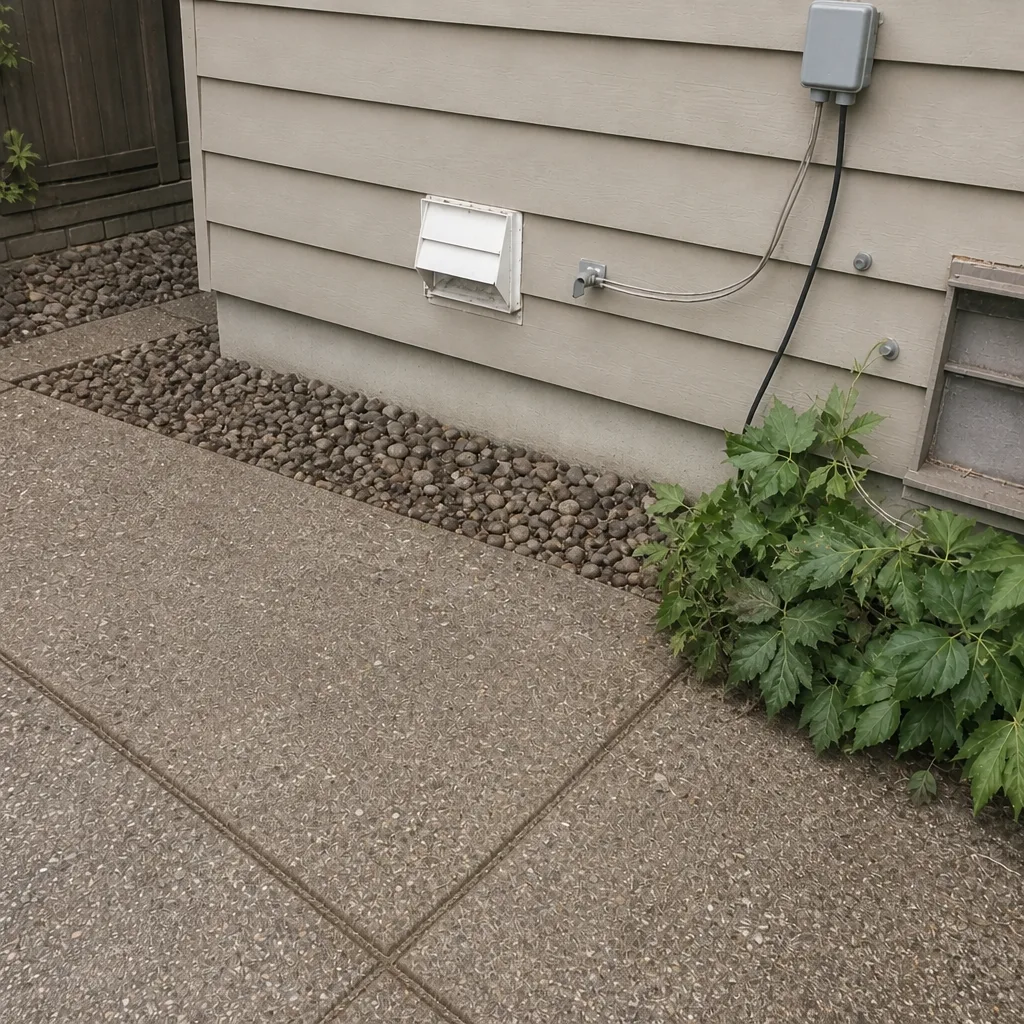 After
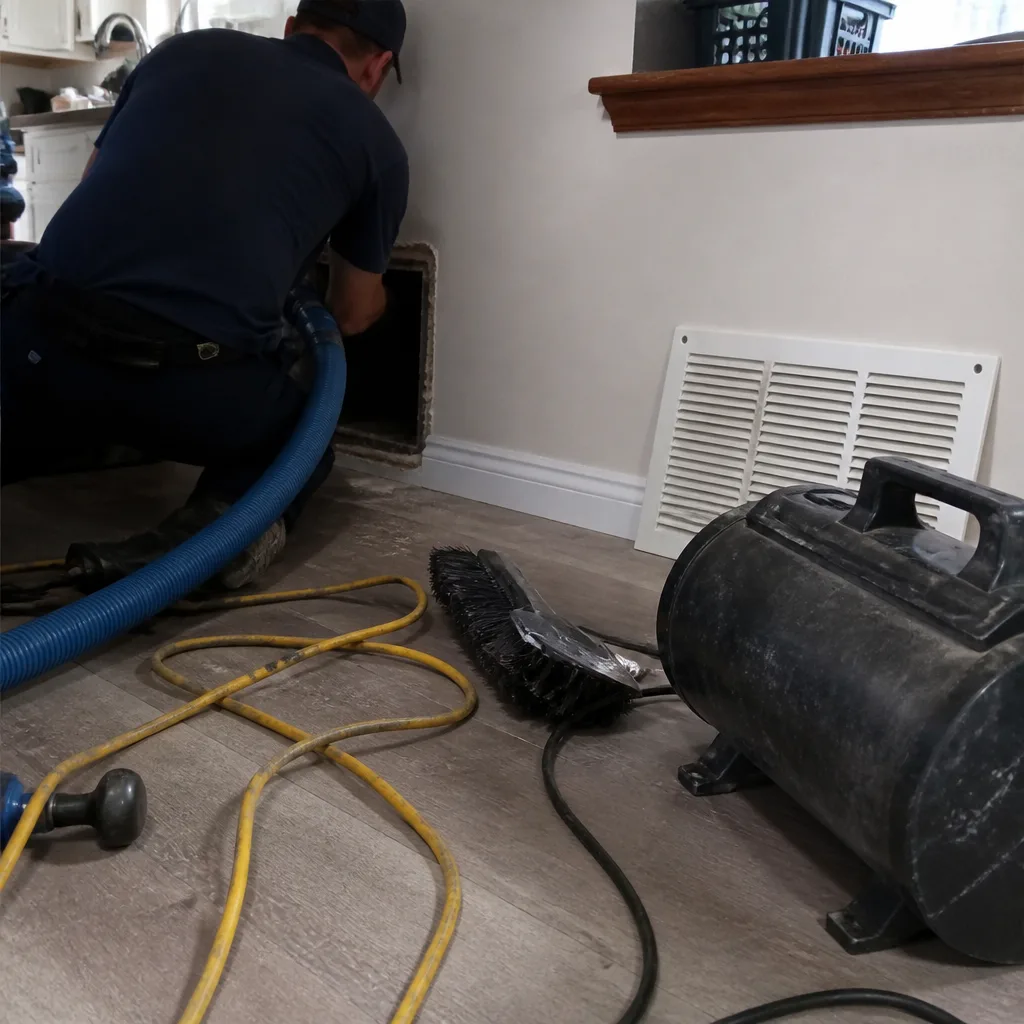 Before
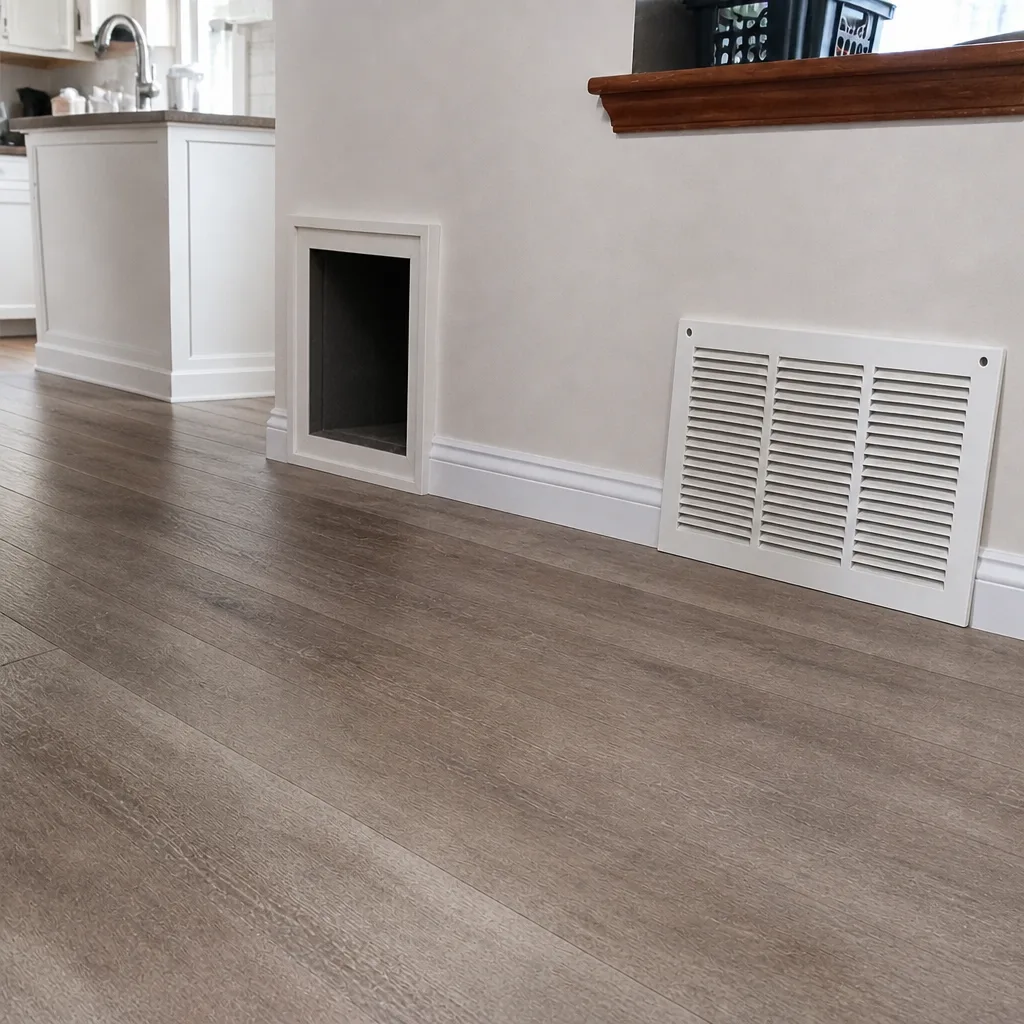 After
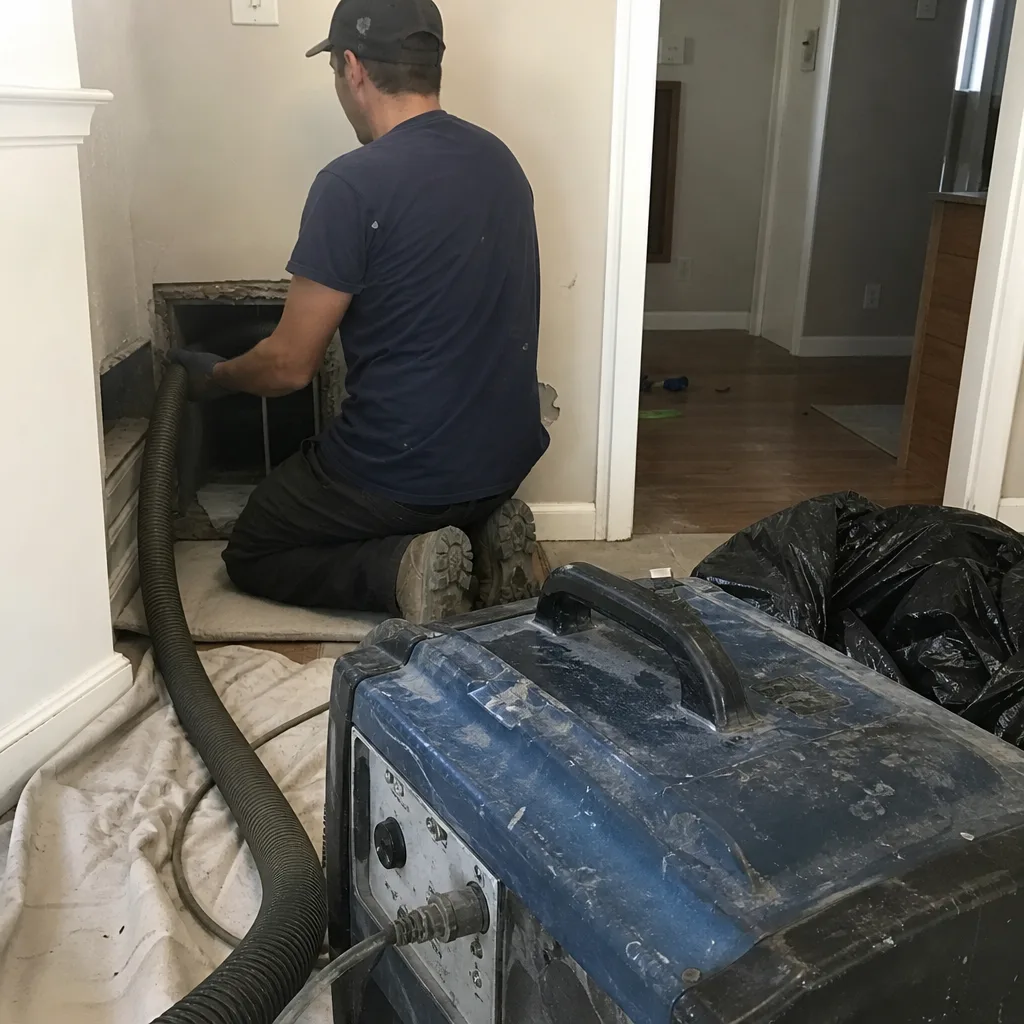 Before
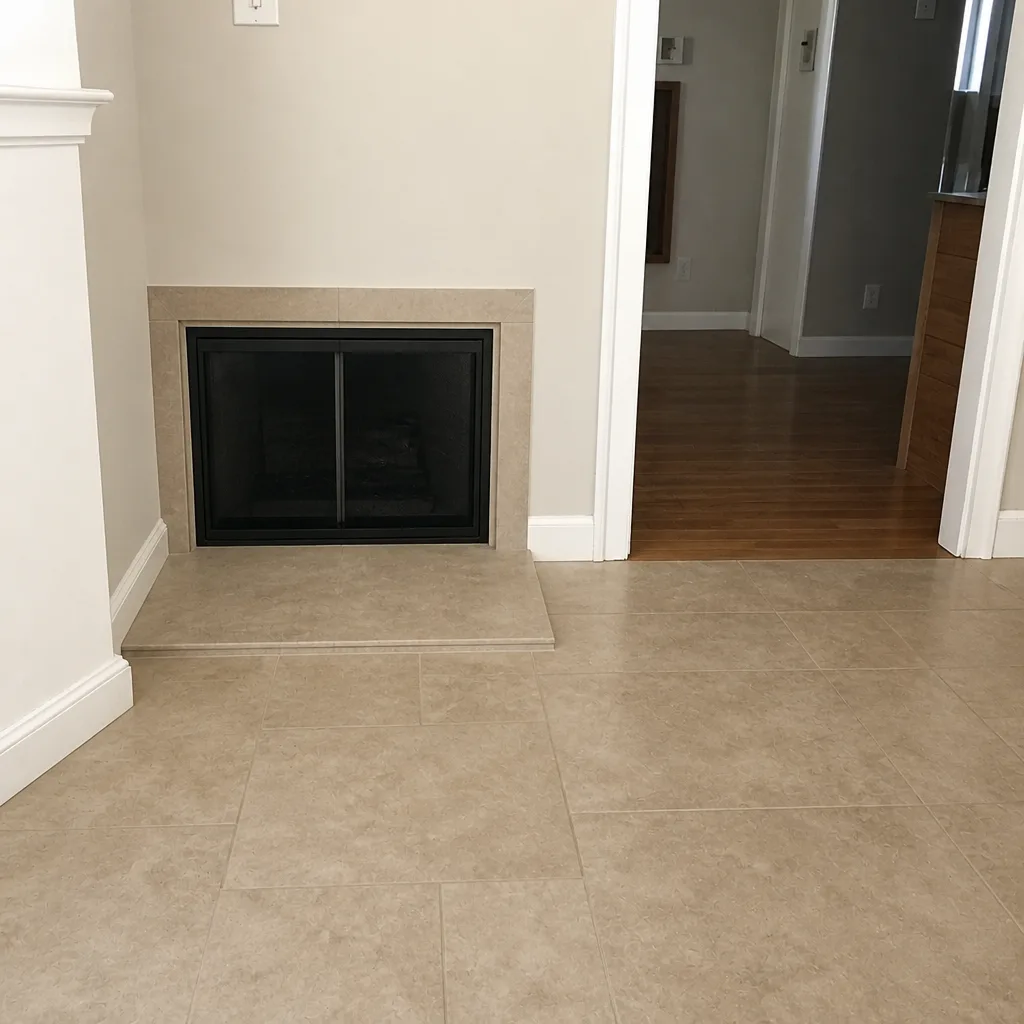 After
When to Call a Professional
Call a professional when you’re facing any of these:
- A proposed modification to your duct system that involves new access points, trunk line sealing, UV or electronic air cleaner installation, or duct liner work
- A home inspection that flagged ductwork, airflow, or ventilation issues during a purchase
- Post-renovation debris, mold, or heavy contamination that standard blower-only cleaning can’t handle; this is when Abatement Technologies equipment and a broader scope become relevant
- A duct system more than roughly fifteen years old that’s never been cleaned
- A dryer vent that hasn’t been cleaned and shows signs of lint clogging
Marysville Air Duct Cleaning Co offers free estimates in Marysville, and we’ll tell you honestly whether your proposed work stays in maintenance territory or crosses into permitted mechanical work. Call (888) 847-8751. We answer 24/7. Fast dispatch from 7am to 7pm, Sunday through Friday. The local pro is licensed and insured as their state requires, and the price is set per job by the written estimate before work starts. If part of your job requires a permit, we’ll tell you so and set up the correct scope rather than blurring the categories.
Frequently Asked Questions
No. Standard air duct cleaning is classified as maintenance, not construction, and doesn’t require a permit in Washington State. Where homeowners get confused is that connected work such as duct sealing on major trunk lines, new access panels, UV system installation, and duct liner replacement is mechanical work that typically does require a permit. Call (888) 847-8751 for a free estimate and we’ll tell you which category your job falls into before you book.
WAC 51-52 is Washington’s adoption of the International Mechanical Code, and it governs how mechanical systems including ductwork are designed, installed, and altered. It applies to modification of the system, not to cleaning. If your proposed work is cleaning only, WAC 51-52 doesn’t add a requirement. If it involves alteration, it does. Call (888) 847-8751 and we’ll help you sort that out with a free estimate.
Use Snohomish County’s online permit search, running both the address and the parcel number for the best accuracy. Filter for mechanical permits, check dates against what the seller or prior owner told you, and confirm the permit was both issued and finaled. If you find work that looks unpermitted, ask a licensed contractor to review the scope before you close or renovate.
Sometimes, but not reliably. Home inspectors typically observe visible ductwork issues like disconnected runs, damaged insulation, or improperly sealed access panels, but they don’t run permit searches and they don’t confirm code compliance on mechanical work. The permit search is your job, or your agent’s. A duct cleaning technician isn’t a substitute for a mechanical inspection either.
It depends on scope. Sealing accessible individual leaks is generally maintenance. Full-system mastic sealing that requires new access openings, changes static pressure, or modifies distribution is typically mechanical work requiring a permit. Ask specifically what’s being sealed and how deep the scope goes. Call (888) 847-8751 for a free estimate that clarifies the boundary.
The liability lands on you. That includes a disclosure obligation if you discover the issue later, potential complications with homeowner’s insurance if a related failure causes damage, and a gap in the public permit record that a buyer or their agent will find. Hiring licensed pros for permitted-class work and pulling the correct permit is the only clean path. Call (888) 847-8751 if you need to verify scope before booking.
The Bottom Line
Air duct cleaning is maintenance and doesn’t require a permit in Marysville. Duct sealing on major trunk lines, new access panels, UV system installation, duct liner replacement, and system rebalancing are mechanical alterations that typically require a permit and a licensed contractor. The clean rule is this: if the work changes the system, it’s mechanical; if it cleans the system, it’s maintenance. When buying a Marysville home, run the Snohomish County permit lookup and confirm each modification was both issued and finaled. Home inspectors catch visible issues, not code compliance. The liability for unpermitted work sits with the homeowner, not the contractor who skipped the paperwork. The right contractor will tell you clearly which side of the line your job is on. Marysville Air Duct Cleaning Co does that in writing before any work begins. Call (888) 847-8751 for a free estimate. We answer 24/7. Fast dispatch from 7am to 7pm, Sunday through Friday.
For a full picture of our services and where they fit locally, start with Marysville Air Duct Cleaning Co. We’re happy to explain how the permit rules apply to whatever scope you’re considering.
Written by the team at Marysville Air Duct Cleaning Co.